
Brewery & Cellar Tanks
Brewhouse, Cellar & Fermentation Tank Engineering
Mash tuns, lauter tuns, brew kettles, whirlpools, hot and cold liquor tanks, cylindro-conical fermenters, horizontal lagering tanks, and bright-beer serving vessels — engineered to your brewhouse horsepower and your turns-per-day math.
About Brewery & Cellar Tanks
A production brewhouse is not one tank — it is six coordinated vessels, each tuned to a specific stage of wort development. The mash tun holds converted grist at strike temperature, typically with a false bottom and a rake for decoction or step-mash schedules. The lauter tun separates sweet wort from the spent grain bed and feeds the kettle under controlled flow to avoid HSA (hot-side aeration). The brew kettle boils wort for 60–90 minutes, isomerizing hop alpha acids and driving off DMS precursors — available in steam, direct-fire, or electric configurations. The whirlpool uses a tangential inlet to separate trub and hop debris from the clarified wort. Two liquor tanks — hot and cold — stage brewing water through the mash schedule.
Cellar-side, the math shifts from batch-time to turns-per-year. Breweries typically run a 1:6 to 1:8 brewhouse-to-cellar capacity ratio, meaning six to eight fermentation turns per brewing day. Cylindro-conical unitanks ferment and cold-crash in the same vessel with a steep cone for yeast harvest. Open-top fermenters serve traditional ale and lager programs that depend on atmospheric yeast interaction. Brite tanks carbonate and condition beer for packaging. Horizontal lagering tanks maximize floor utilization for long cold-conditioning on pilsners and Vienna lagers. Serving tanks push finished beer to on-premise taproom lines without an intermediate packaging step.
Every jacket, dimple, port, and manway is specified before steel is cut. Glycol jacket zones sized to cooling load. Tri-clamp fittings specified to your existing spool inventory. CIP spray balls pattern-tested. Sample valves placed to match your QA lab workflow. 3-A sanitary finish (#4 polish, 32 Ra) on product-contact surfaces, TIG purged with argon for crevice-free welds, passivated to ASTM A967.
What We Fabricate
Mash Tuns
Infusion and decoction configurations with integrated false bottom, rake drive, and steam or direct-fire heat. 3-BBL through 60-BBL standard, larger on request.
Lauter Tuns
Deep-bed or shallow-bed lauter geometries with raking arms, vorlauf recirculation, and wort runoff control to match your target gravity progression.
Brew Kettles
Steam-jacketed, direct-fire, or electric-element heat. Calandria or wort-stripper options for accelerated DMS removal on pale styles.
Whirlpools
Tangential-inlet trub separation with racking arm and thermowell. Dedicated or kettle-whirlpool combo vessels for space-constrained brewhouses.
Hot & Cold Liquor Tanks
Strike, sparge, and chilled-water staging. Insulated and jacketed versions for overnight temperature holding.
Cylindro-Conical Fermenters
Unitanks with 60° or 72° cones, dual glycol jacket zones, blow-off arm, CIP spray ball, and sample valve. 7-BBL, 15-BBL, 30-BBL, 60-BBL, 120-BBL standard.
Open-Top Fermenters
Traditional square or rectangular vessels for altbier, kölsch, and mixed-culture programs.
Brite Tanks
Carbonation and conditioning vessels with carbonation stone, CIP, and pressure-rated construction for packaging pressure hold.
Horizontal Lagering Tanks
Long cold-conditioning tanks with horizontal orientation for maximum floor utilization in cramped cellars.
Serving Tanks
On-premise taproom vessels for jacketed temperature hold and direct-line dispense without intermediate packaging.
Hot Liquor Tank Boilers
Direct-fired HLT with integrated heat exchanger and recirculation loop for continuous strike-water generation.
Complete Turnkey Brewhouses
Integrated mash-lauter-kettle-whirlpool packages with control panel, piping, pumps, and commissioning.
How a Custom Project Works
- Requirements capture. Volume, materials of construction, service chemistry, operating temperature and pressure, footprint, utility connections, finish, and any code or certification requirements. We work from your specification or draft one against your process.
- Engineering and drawings. A general-arrangement drawing, bill of materials, and weld map — reviewed and signed off before any material is cut.
- Material procurement. Plate, pipe, fittings, and elastomers ordered to the approved bill of materials, with material certifications captured where the service demands traceability.
- Fabrication. Shells formed and welded, heads and ports installed per drawing, sanitary work TIG-welded and ground flush on product-contact surfaces.
- Inspection and testing. Weld examination, pressure or leak testing as applicable, surface-finish verification, and passivation to ASTM A967 on stainless.
- Documentation and shipment. Material certifications, weld and inspection records, and test certificates compiled for handoff. Shipment with blocking and bracing; freight quoted separately to your ZIP.
Engineering & Design Guides
In-depth, vendor-neutral guides written by our engineering team to help you scope the right build — the equipment, the materials, and the trade-offs.
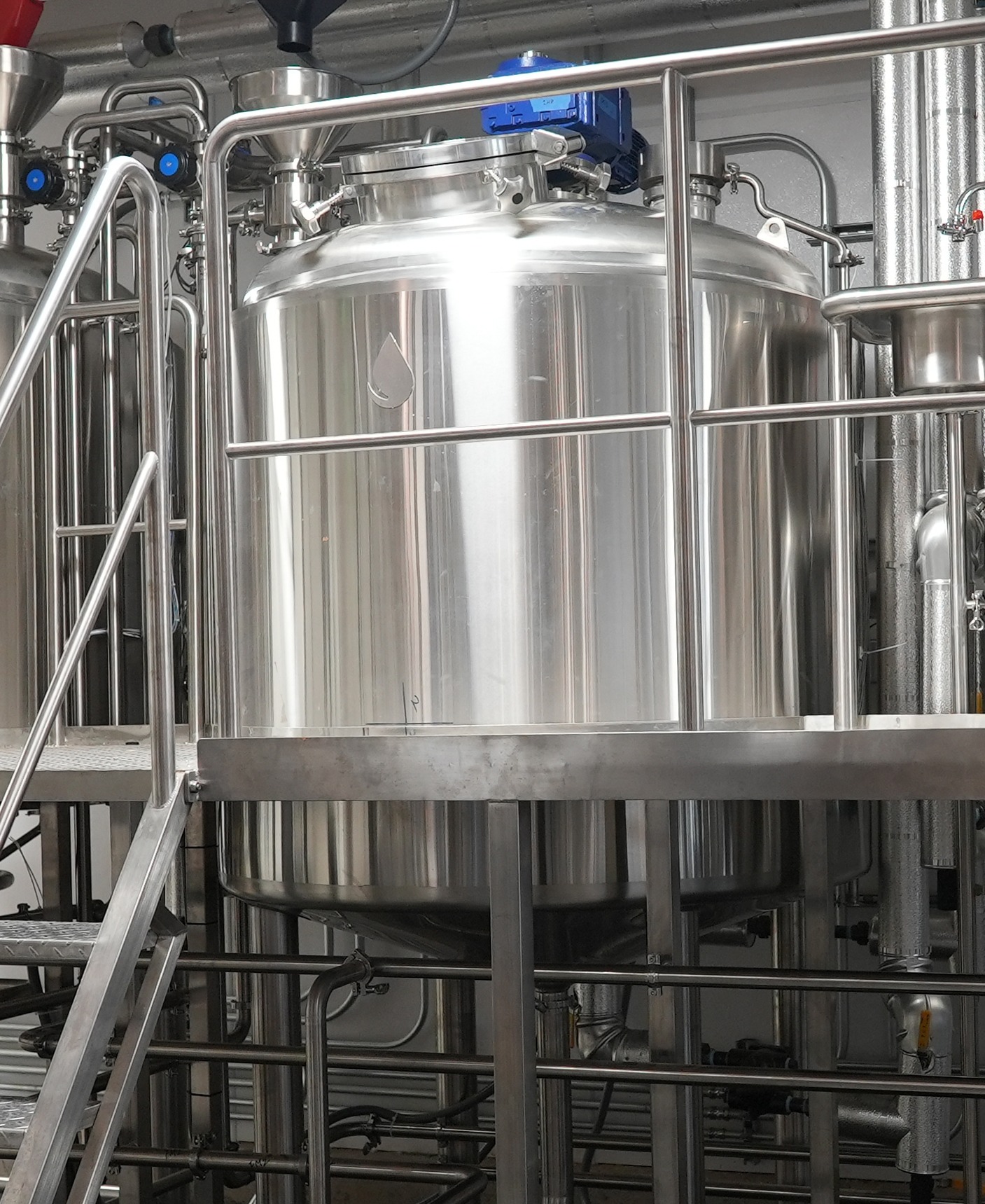
Cylindro-Conical Fermenter Design
Anatomy of a cylindro-conical unitank: cone angle, glycol zones, yeast harvest, CIP, and pressure rating for single-vessel fermentation.
Read the guide →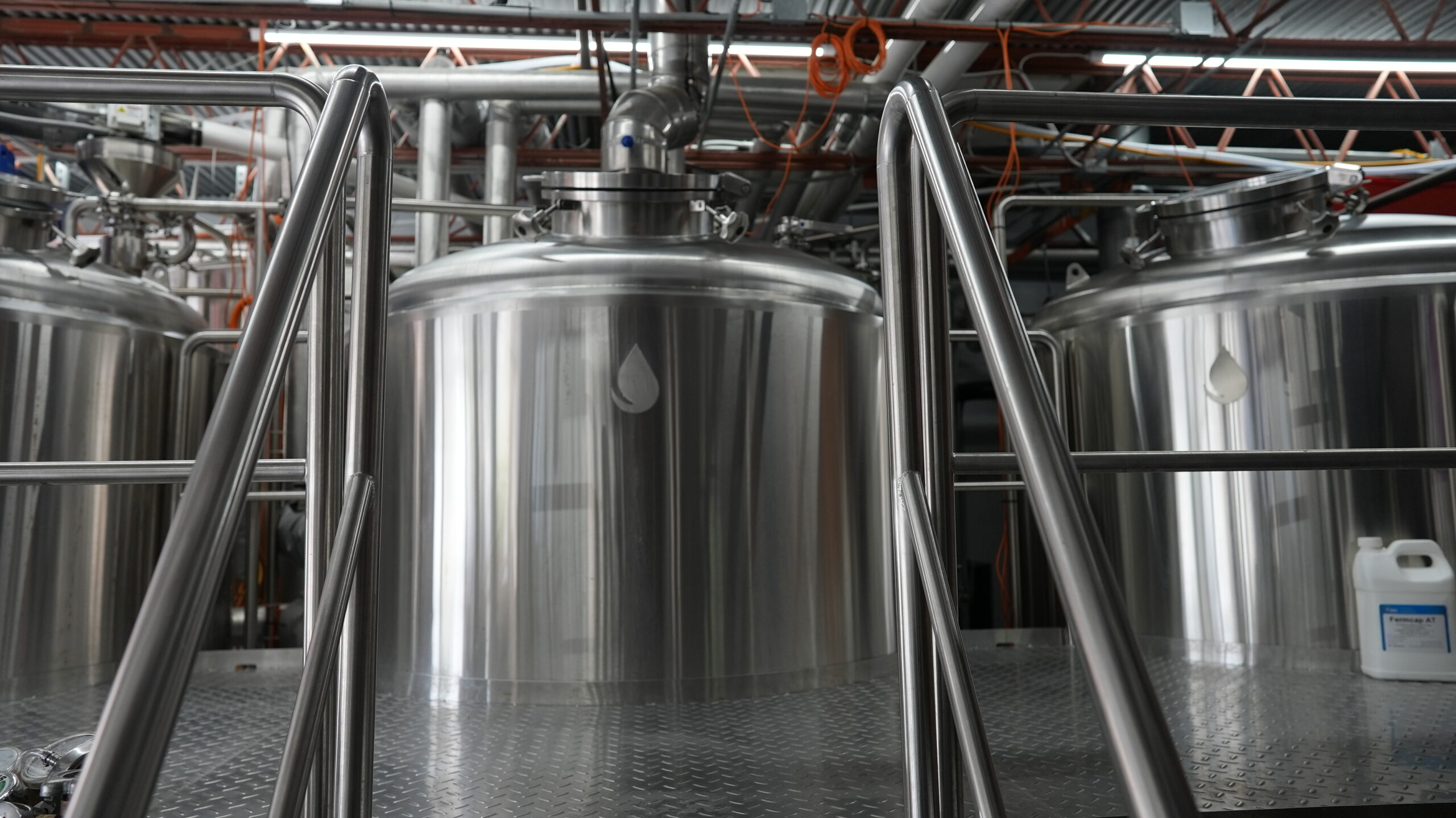
Brewhouse Sizing: BBL & Cellar Turns
Sizing a brewhouse the right way: what a BBL is, brewhouse-to-cellar ratios, turns per day and year, and matching fermentation to brew capacity.
Read the guide →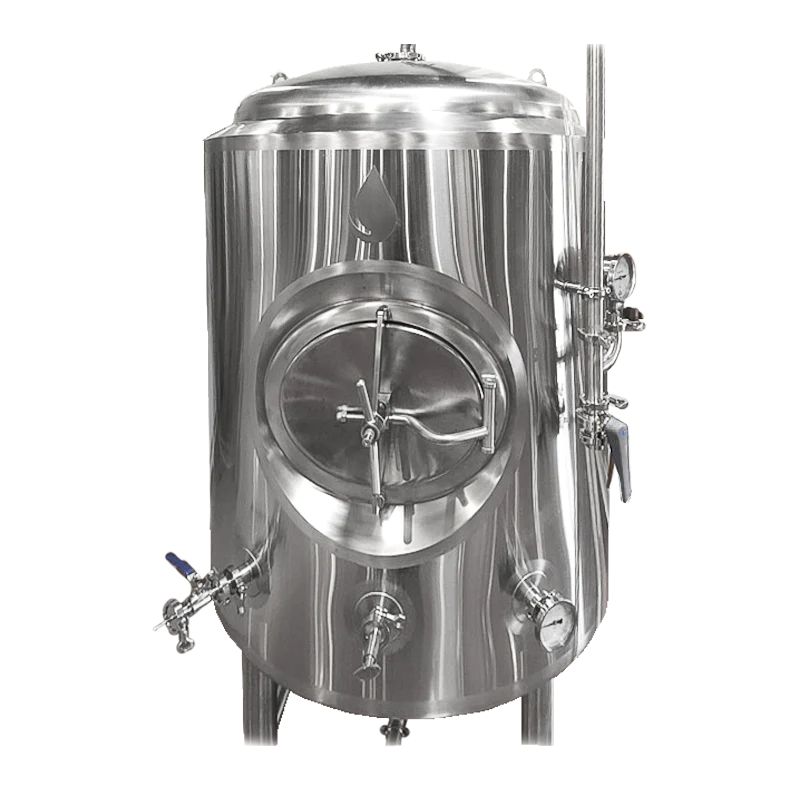
Glycol Jacket Cooling for Fermentation
Glycol cooling for fermentation: dimple jacket zones, chiller sizing, PID temperature control, cold crash, and why temperature shapes flavor.
Read the guide →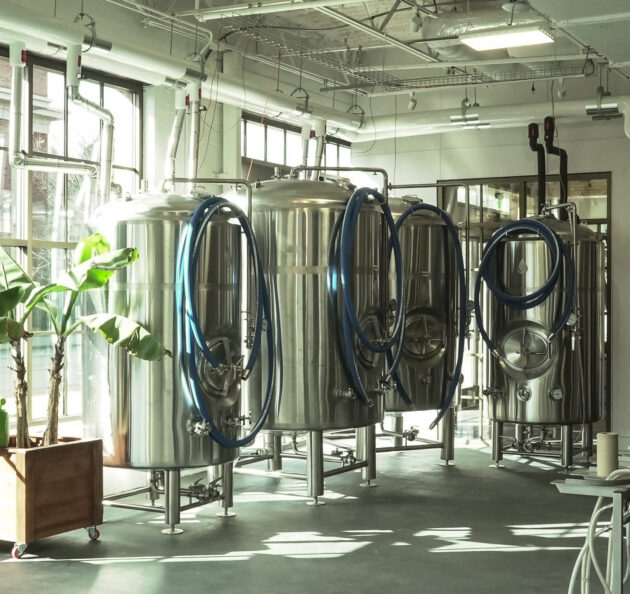
Brite Tanks & Carbonation
What a brite (bright) tank does: conditioning, carbonation by stone or in-line, pressure rating, clarity, and how it differs from a fermenter.
Read the guide →
CIP for Brewery & Cellar Tanks
Clean-in-place for cellar tanks: spray ball coverage, caustic and acid cycles, single-use vs recirculating CIP, and why CIP design protects quality.
Read the guide →Frequently Asked Questions
- What's the lead time on a 15-BBL brewhouse?
- Typical lead time on a mid-size (10–30 BBL) integrated brewhouse package is 14–22 weeks from signed drawing approval through FAT and shipment. Cellar fermentation tanks on the same order ship in parallel.
- Can you match an existing tri-clamp spool inventory?
- Yes. Every port, fitting, and sample valve is specified at drawing-review stage. Standard sanitary fittings (1.5", 2", 2.5", 3", 4") are stocked; larger specialty spools are quoted to print.
- Is code stamp required?
- Brew kettles operating at atmospheric pressure typically are not ASME Section VIII vessels and do not require U-stamps. Pressure-rated bright tanks and keg-washing vessels operating above 15 psig are coded when drawings require.
- What's the difference between a cylindro-conical and an open-top fermenter?
- Cylindro-conicals ferment and cold-crash in the same vessel with a steep cone for yeast harvest and are pressure-rated for carbonation. Open-top fermenters ferment at atmospheric pressure in a square or rectangular shell and transfer to a separate conditioning vessel — typical for traditional kölsch, altbier, and mixed-culture styles.
Start a Brewery & Cellar Tanks Project
Give us your process specs and we come back with a full engineering package, firm lead time, and a fixed price. Freight quoted separately to your ZIP.
Request a Custom Quote Call 866-418-1777