
Certified Steel Tanks
ASME Section VIII, API 650, API 620 & UL 142 Code-Stamped Steel Vessels
ASME Section VIII Division 1 pressure vessels, API 650 welded aboveground storage tanks, API 620 low-pressure gas-storage tanks, UL 142 fuel oil tanks, and National Board registered code work — from 100-gallon lab vessels to 100,000-gallon field-erected terminals.
About Certified Steel Tanks
Code-stamped steel fabrication operates under the tightest quality regime in the tank industry. ASME Boiler & Pressure Vessel Code Section VIII Division 1 governs pressure vessels — any welded vessel holding gas or liquid at 15 psig or above and 6 inches diameter or larger. The code prescribes minimum wall thickness, weld-joint categories, radiographic inspection requirements, material test reports, and stamping protocols. Vessels fabricated to Section VIII are U-stamped by an ASME-certified shop, National Board registered, and accompanied by a Manufacturer's Data Report (Form U-1).
API 650 governs welded aboveground storage tanks for petroleum, chemical, and water service from 20 feet through 300+ feet in diameter. It defines shell-thickness calculations, roof designs (fixed-cone, floating, geodesic dome), wind-load and seismic-load requirements, foundation considerations, and inspection protocols. API 620 extends the same framework to low-pressure gas-storage tanks operating up to 15 psig. API 653 governs in-service inspection and repair. UL 142 covers aboveground flammable-liquid tanks — fuel oil, gasoline, diesel, and similar — with specific emphasis on fire-resistant construction, double-wall configurations, and secondary containment.
Code work is documentation work. Every heat of steel carries a Material Test Report (MTR) traced through fabrication. Every weld is logged with welder ID, procedure (WPS), and inspection record. Critical welds receive radiographic inspection (RT) or ultrasonic inspection (UT), witnessed by an authorized inspector from the Authorized Inspection Agency. The finished vessel carries a hydrostatic test (hydro) at 1.3x design pressure, documented on a Form U-1 signed by the Authorized Inspector. The documentation package — MTRs, weld maps, NDE reports, hydro test record, U-1 — travels with the vessel through its service life and is referenced for every future inspection, repair, or re-rate.
What We Fabricate
ASME Section VIII Pressure Vessels
Code-stamped, National Board registered, U-1 documented pressure vessels from 100-gal lab through 50,000-gal field.
API 650 Welded Storage Tanks
Aboveground welded storage tanks from 20-ft through 300+-ft diameter, fixed-cone or floating-roof.
API 620 Low-Pressure Tanks
Welded low-pressure gas-storage tanks to 15 psig design pressure.
UL 142 Aboveground Fuel Tanks
Fire-resistant fuel-oil, diesel, gasoline, and flammable-liquid storage — double-wall or F911 options.
Double-Wall Containment Tanks
Integral secondary-containment vessels for EPA SPCC and fire-code compliance.
Horizontal Pressure Vessels
Saddle-supported cylindrical vessels for gas receivers, separators, and accumulators.
Vertical Pressure Vessels
Leg-, skirt-, or lug-supported vertical vessels for reactor and process service.
Reactor Vessels
Jacketed, agitated, baffled code-stamped reactors for chemical and pharmaceutical batch processing.
Heat Exchanger Shells
Shell-and-tube, U-tube, and fixed-tubesheet exchanger shells fabricated to TEMA and ASME.
Oil-Water Separators
API 421 horizontal and vertical separators for petroleum and chemical plant use.
Field-Erected Storage Tanks
On-site fabrication and erection of large-diameter API 650 tanks.
Code Repair & Re-Rate
API 653 in-service repair and re-rating of existing code-stamped tanks.
How a Custom Project Works
- Requirements capture. Design pressure and temperature, materials of construction, service chemistry, volume, code and jurisdiction, installation footprint, and finish. We work from your specification or draft one against your process.
- Engineering and drawings. General-arrangement drawing, bill of materials, weld map, and the code calculation package. You review and sign off before steel is cut.
- Material procurement. Plate, pipe, and fittings ordered to the approved BOM, with a Material Test Report captured for every heat of code steel.
- Fabrication. Shell courses rolled and seam-welded, heads formed, nozzles set per drawing, by qualified welders running qualified procedures.
- Inspection and testing. Radiographic or ultrasonic weld examination where code requires, hydrostatic test, surface finish verification, and passivation to ASTM A967 on stainless.
- Documentation and shipment. MTRs, weld maps, NDE reports, hydro certificate, code stamp, and Form U-1 (where applicable) bound into the vessel's permanent file. Shipment with blocking and bracing; freight quoted to your ZIP.
Engineering & Design Guides
In-depth, vendor-neutral guides to how code-stamped steel vessels are engineered, inspected, and documented — written by our engineering team to help you scope the right build.
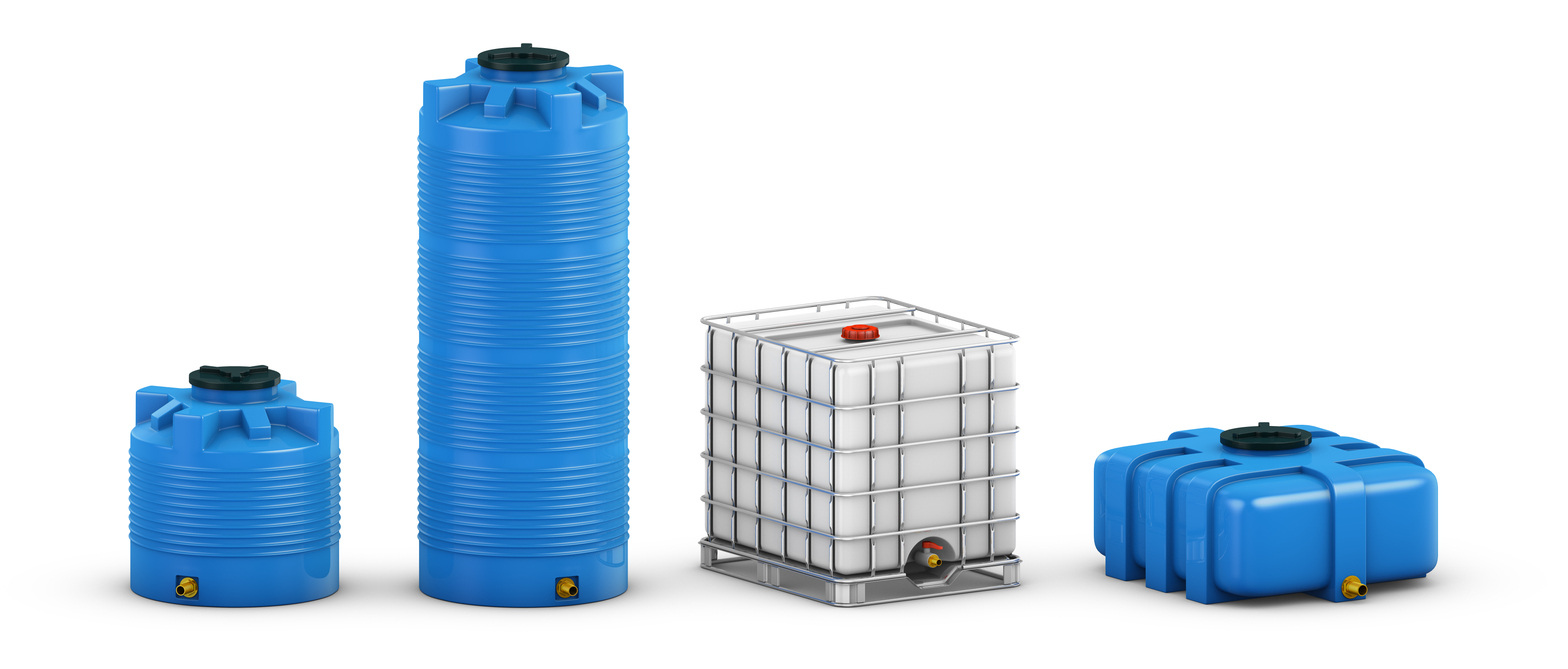
Designing ASME Section VIII Pressure Vessels
How code-stamped vessels are engineered for safety — design pressure, weld categories, radiography, hydro test, and the U-1 data report.
Read the guide →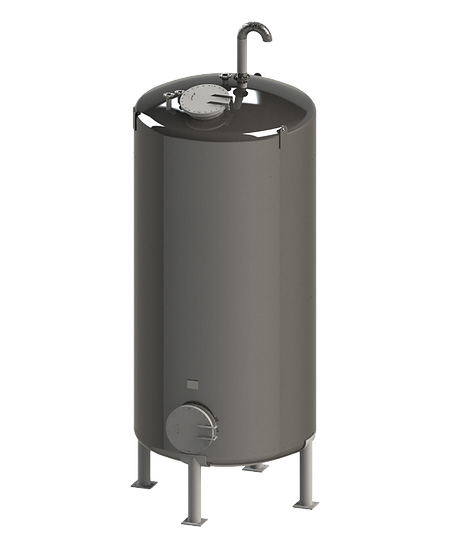
API 650 & API 620 Storage Tanks
Welded aboveground storage built to petroleum-industry standards — shell courses, roof types, seismic & wind loads, and where 650 ends and 620 begins.
Read the guide →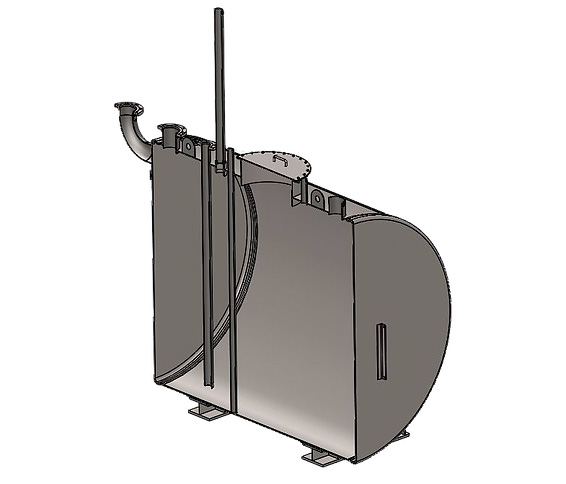
UL 142 Aboveground Fuel Tanks
What a UL 142 listing means for aboveground flammable-liquid storage — and how it relates to UL 2085, double-wall, and SPCC containment.
Read the guide →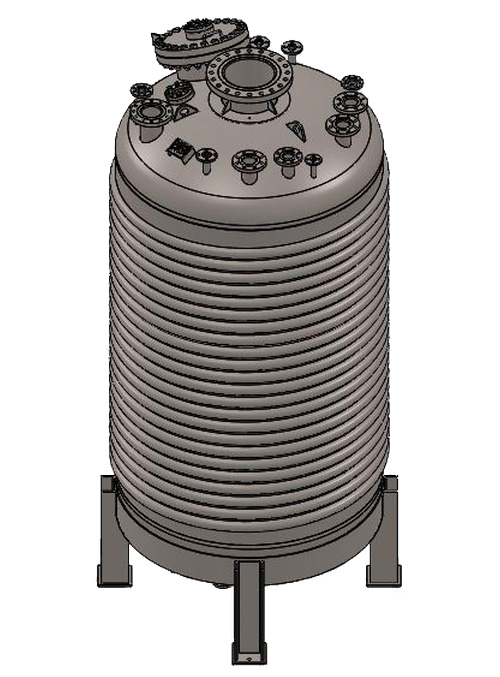
Reactor Vessels for Chemical Processing
Jacketed, agitated, baffled code-stamped reactors — heat transfer, agitation, materials, and the engineering behind a batch reactor.
Read the guide →
Heating & Cooling Jackets Explained
Conventional, dimple, and half-pipe jackets compared — heat-transfer performance, pressure rating, cost, and which one fits your duty.
Read the guide →Frequently Asked Questions
- Does a vessel need to be U-stamped?
- Only if the service requires it. OSHA, state pressure-vessel laws, insurance carriers, process licensors, and customer quality programs can each impose code requirements. Not all pressure vessels require a U-stamp — some state laws exempt vessels under 15 psig or under a certain volume. When in doubt, code-stamp.
- What's the difference between API 650 and API 620?
- API 650 covers welded aboveground storage at atmospheric pressure (up to 2.5 psig). API 620 extends to low-pressure designs up to 15 psig — typical for LPG, ammonia, and some chemical-vapor storage. Above 15 psig, tanks fall under ASME Section VIII as pressure vessels.
- Do I need a field-erected tank?
- Yes, for any tank over approximately 12-ft diameter by 40-ft height — larger than what fits on a truck. Field erection on a prepared foundation is standard for API 650 tanks above 20-ft diameter. The fabricator ships pre-cut plate, shell courses, and roof components; field crew welds on site.
- How long does an ASME pressure vessel project take?
- Small off-the-shelf ASME vessels (code-stamped standard-design receivers, separators) can ship in 4–8 weeks. Custom-engineered pressure vessels typically take 14–26 weeks. Large field-erected API 650 tanks run 20–40 weeks depending on size, location, and weather.
Start a Certified Steel Tanks Project
Give us your design pressure, service chemistry, volume, code, and installation footprint. We come back with a full engineering package, firm lead time, and a fixed price. Freight quoted separately to your ZIP.
Request a Custom Quote Call 866-418-1777