
Custom Stainless Fabrication
Custom 304 & 316L Stainless Steel Tank Fabrication to Your Drawings
Custom 304 and 316L stainless steel tanks, jacketed and insulated process vessels, agitated reactor tanks, instrument-ported batch tanks, and code-stamped stainless pressure vessels — engineered to your drawing, finish spec, and service requirements.
About Custom Stainless Fabrication
When a stock polyethylene tank cannot cover the chemistry, when off-the-shelf stainless steel does not match the application, and when the specification calls for purpose-built construction — custom stainless fabrication is the answer. 304 stainless is the baseline for most general service: food and beverage batch tanks, process water storage, mild chemical service, compressed-air receivers. 316L stainless adds 2–3% molybdenum for pit-corrosion resistance, essential for chloride-bearing streams (brines, seawater, sanitizer circuits), aggressive sanitizer programs, pharmaceutical processing, and any welded-intensive fabrication where the low-carbon grade prevents carbide precipitation at weld zones.
Beyond material selection, every custom stainless vessel requires a dozen spec decisions: jacket type (steam, glycol, electric, water); jacket coverage (partial, full, dimple-pattern for weight-reduced half-jacket); agitation (top-entry, side-entry, bottom-entry, turbine, propeller, anchor, scrape-surface); interior finish (mill finish, #2B, #4, 32 Ra mirror, electropolish); exterior finish (mill, #2B, #4, painted); insulation (foam-in-place, mineral-wool, aerogel); instrumentation ports (pressure, temperature, level, pH, conductivity, dissolved oxygen); access (manway, handhole, sight-glass, sample valve); support structure (legs, skirt, lugs, saddles, skid-frame); and documentation package (MTRs, weld maps, hydro-test record, cleanliness certification, ASME U-stamp if applicable).
A disciplined fabrication shop builds to AWS D18.1 (sanitary welding) and ASME BPE (Bio-Processing Equipment) on product-contact welds; ASME Section IX qualified weld procedures across the shop; ASTM A967 passivation specifications applied post-fabrication; and finishes verified with surface-roughness profilometry before shipment. Code work (ASME Section VIII for pressure vessels) runs under the shop's U-stamp with Authorized Inspector witnessing at hold points. Every vessel ships with its full documentation package bound and traceable.
What We Fabricate
304 Stainless Tanks
General-service food, beverage, and industrial batch tanks with #4 or 32 Ra finish.
316L Stainless Tanks
Chloride-resistant and welded-intensive fabrication for aggressive-service, sanitizer, and pharmaceutical applications.
Steam-Jacketed Process Tanks
Steam dimple or partial jacket for heated-batch process work.
Glycol-Jacketed Tanks
Chilled-glycol cooling jacket for fermentation, refrigerated batch hold, and temperature-sensitive process.
Electric-Jacketed Tanks
Resistance-heated jackets for low-volume heated-batch service without steam infrastructure.
Agitated Batch Tanks
Top, side, or bottom-entry agitator with turbine, propeller, anchor, or scrape-surface impeller.
Insulated Tanks
Foam-in-place, mineral-wool, or aerogel insulation with stainless-steel weather jacket.
Instrument-Ported Vessels
Level, temperature, pH, conductivity, and dissolved-oxygen sensor integration.
Skid-Mounted Process Skids
Integrated portable process skids with tanks, pumps, controls, and piping.
Stand-Mounted Tanks
Structural-stand-integrated vessels for clean installation and mezzanine integration.
ASME Pressure Vessels
Code-stamped U-1 Section VIII stainless pressure vessels for regulated service.
Sanitary (3-A) Finish Vessels
32 Ra mirror or electropolish product-contact finish for food, beverage, pharma.
How a Custom Project Works
- Requirements capture. Volume, materials of construction, service chemistry, operating temperature and pressure, footprint, utility connections, finish, and any code or certification requirements. We work from your specification or draft one against your process.
- Engineering and drawings. A general-arrangement drawing, bill of materials, and weld map — reviewed and signed off before any material is cut.
- Material procurement. Plate, pipe, fittings, and elastomers ordered to the approved bill of materials, with material certifications captured where the service demands traceability.
- Fabrication. Shells formed and welded, heads and ports installed per drawing, sanitary work TIG-welded and ground flush on product-contact surfaces.
- Inspection and testing. Weld examination, pressure or leak testing as applicable, surface-finish verification, and passivation to ASTM A967 on stainless.
- Documentation and shipment. Material certifications, weld and inspection records, and test certificates compiled for handoff. Shipment with blocking and bracing; freight quoted separately to your ZIP.
Engineering & Design Guides
In-depth, vendor-neutral guides written by our engineering team to help you scope the right build — the equipment, the materials, and the trade-offs.
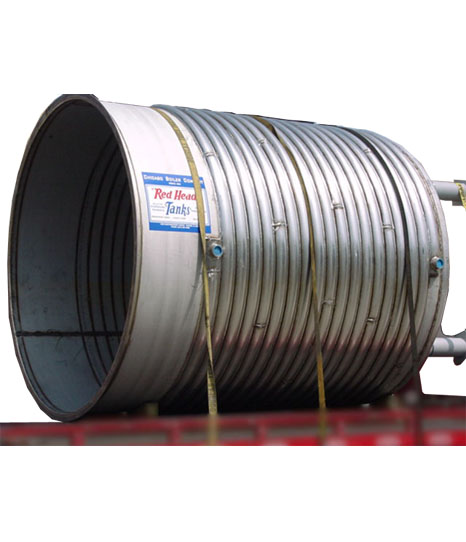
304 vs 316/316L Stainless Selection
Molybdenum, chloride pitting, and the low-carbon 'L' grade decoded so you can match the right austenitic stainless to your service.
Read the guide →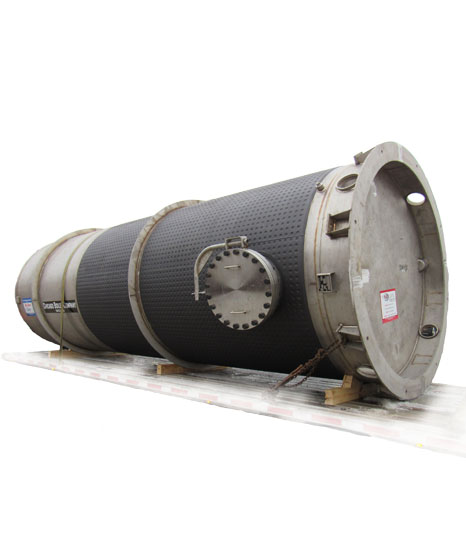
Jacketed & Agitated Tanks
Jacket types, agitator and impeller selection, and baffling explained for the most common custom process vessel.
Read the guide →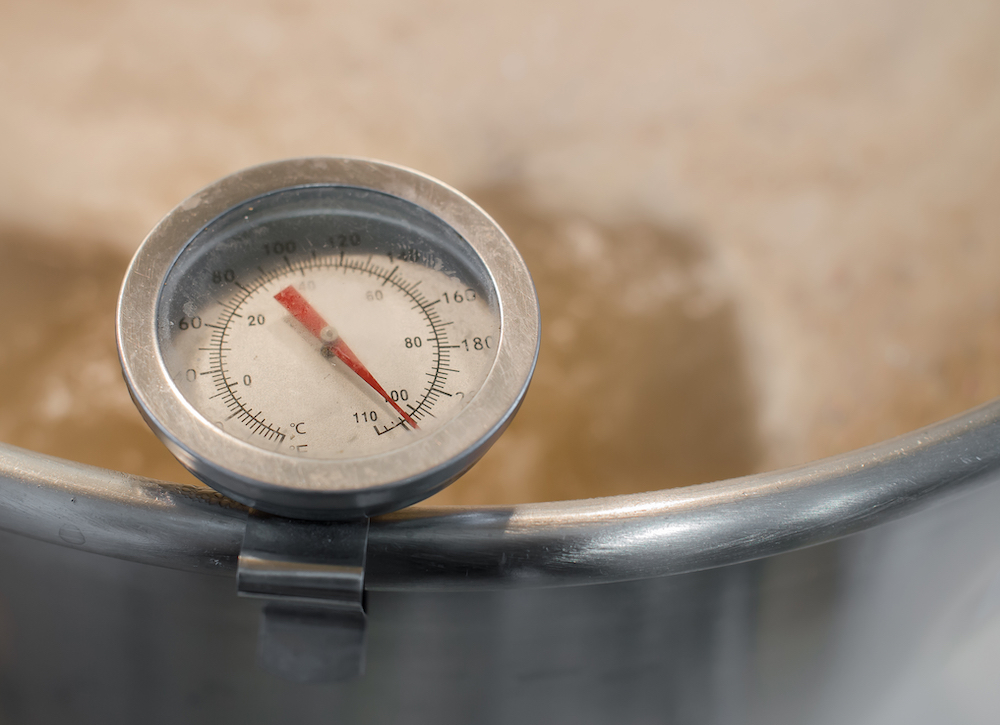
Dish, Cone & Flat Tank Bottoms
Flat, sloped, dished F&D, and conical bottoms compared on drainage, solids handling, pressure rating, and cost.
Read the guide →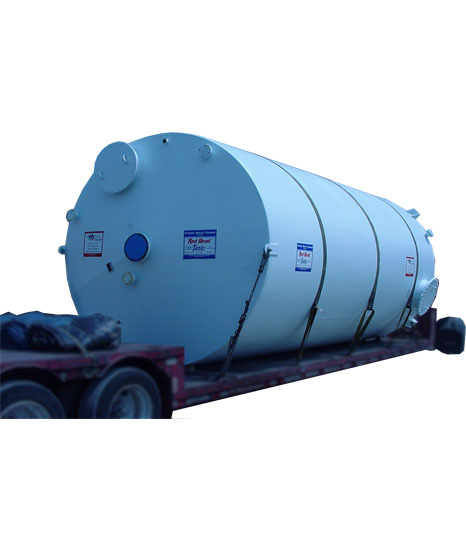
Skid-Mounted Process Systems
Tanks, pumps, piping, and controls pre-assembled on one frame for plug-and-play install and factory testing.
Read the guide →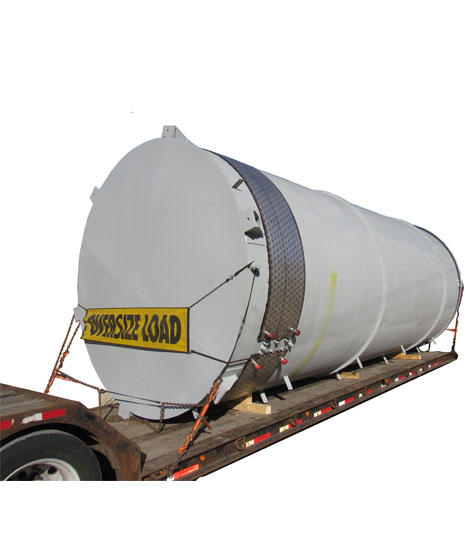
Stainless Surface Finishes Explained
Mill finishes, mechanical polish grades, Ra values, and electropolish decoded for sanitary and industrial requirements.
Read the guide →Frequently Asked Questions
- 304 or 316L?
- Default to 304 unless: service is chloride-bearing (saltwater, brine, some sanitizers), the fabrication is heavily welded (> 10–15% of surface is weld or HAZ), service is pharmaceutical or aggressive sanitizer program, or customer quality spec mandates 316L.
- What's the lead time on a custom stainless tank?
- Small standard-design vessels (< 500 gal, simple geometry, mill finish): 8–14 weeks. Mid-size jacketed/agitated tanks (500–5,000 gal, 32 Ra finish, custom ports): 14–22 weeks. Large custom vessels, code-stamped or heavily instrumented: 20–36 weeks.
- Can you match an existing tank drawing?
- Yes — as long as we have a full drawing package (dimensions, ports, materials, finishes). We can also reverse-engineer from an existing vessel with a site measurement visit.
- What finish do I need for food contact?
- 3-A Sanitary Standards require 32 Ra (microinches) or smoother on product-contact surfaces. #4 mechanical polish is typically supplemented with blend-sanding or electropolish to hit 32 Ra. Pharmaceutical (ASME BPE) requires 15–20 Ra on some applications — typically achieved with electropolish.
Start a Custom Stainless Fabrication Project
Give us your process specs and we come back with a full engineering package, firm lead time, and a fixed price. Freight quoted separately to your ZIP.
Request a Custom Quote Call 866-418-1777