
Sanitary Process Tanks
3-A Sanitary Stainless Process Vessels for Food, Dairy & Nutraceutical
3-A sanitary, FDA-compliant 304 and 316L stainless process vessels — jacketed batch mixers, hold tanks, CIP-integrated blenders, and sanitary surge tanks for dairy, beverage, nutraceutical, personal-care, and contract co-packing.
About Sanitary Process Tanks
Sanitary process equipment lives and dies by cleanability. The 3-A Sanitary Standards — the governing spec for milk, dairy, and food-contact stainless — prescribe crevice-free interior welds, fully-drainable geometries, radius transitions at every interior corner, and product-contact finishes of 32 Ra (Ra = roughness average, in microinches) or smoother. 3-A-compliant welds are ground flush and TIG-purged with argon; visible porosity or pits disqualify the vessel from sanitary service. FDA food-contact rules add elastomer and gasket certifications (FDA 21 CFR 177.2600 for silicone, EPDM, and nitrile). USDA-AMS dairy plants add inspection hold-points for welds and drawings.
Equipment designed to clean itself runs faster. Clean-in-place (CIP) integration means rotating spray balls positioned to hit every interior surface, drains sized to handle caustic-circulation return flow, and tri-clamp ports that do not trap residue. Product-contact elastomers are platinum-cured silicone, FKM, or EPDM rated for steam sterilization at 250°F for the SIP (sterilize-in-place) cycle. Every port, sight glass, agitator seal, and manway is specified against cleanability; anything that traps product is redesigned before fabrication.
The industries we serve through sanitary fabrication: dairy (pasteurization, fermentation, cheese vat, cream separator feed), beverage (blending, carbonation, cold-hold), nutraceutical (extraction, suspension, blending, filling), personal care (emulsion, batch mix, conditioner hold), pet food (sauce and gravy kettles, wet-mix blending), and contract co-packing across all of the above. Every program runs against a Bill of Materials Compliance (BOMC) document listing each product-contact surface's material certification and finish spec.
What We Fabricate
Jacketed Mix Tanks
Steam, glycol, or electric dimple-jacketed batch mix vessels with top, side, or bottom-entry agitation.
Sanitary Hold Tanks
3-A compliant buffer tanks between process stages with full CIP integration and drainable geometry.
CIP / SIP Skids
Caustic, acid, and sanitizer circulation systems for clean-in-place and sterilize-in-place programs.
Batch Blenders
Multi-ingredient batch mixing with programmable agitation and temperature control.
Beverage Blend Tanks
Multi-feed batch blending for juice, tea, coffee, functional-beverage, and sports-drink formulation.
Cream & Cheese Vats
Dairy-specific fabrication for batch pasteurization, cream culturing, and cheese-vat curd formation.
Fermentation Vessels
Yogurt, kefir, sour-cream, probiotic, and lacto-fermented beverage fermentation with sanitary access.
Emulsion Tanks
Personal-care and nutraceutical emulsion tanks with high-shear agitation for stable emulsions.
Sanitary Surge Tanks
Rate-balance buffers between upstream batch and downstream continuous filling.
Waterless CIP Skids
Water-reduced cleaning systems for drought-zone and utility-constrained plants.
Contract Co-Pack Systems
Complete turnkey blending, batching, and fill-to-pallet packages for contract manufacturers.
Pharma / Nutra Batch Reactors
Agitated jacketed reactors with cGMP-compliant documentation and validation packages.
How a Custom Project Works
- Requirements capture. Volume, materials of construction, service chemistry, operating temperature and pressure, footprint, utility connections, finish, and any code or certification requirements. We work from your specification or draft one against your process.
- Engineering and drawings. A general-arrangement drawing, bill of materials, and weld map — reviewed and signed off before any material is cut.
- Material procurement. Plate, pipe, fittings, and elastomers ordered to the approved bill of materials, with material certifications captured where the service demands traceability.
- Fabrication. Shells formed and welded, heads and ports installed per drawing, sanitary work TIG-welded and ground flush on product-contact surfaces.
- Inspection and testing. Weld examination, pressure or leak testing as applicable, surface-finish verification, and passivation to ASTM A967 on stainless.
- Documentation and shipment. Material certifications, weld and inspection records, and test certificates compiled for handoff. Shipment with blocking and bracing; freight quoted separately to your ZIP.
Engineering & Design Guides
In-depth, vendor-neutral guides written by our engineering team to help you scope the right build — the equipment, the materials, and the trade-offs.
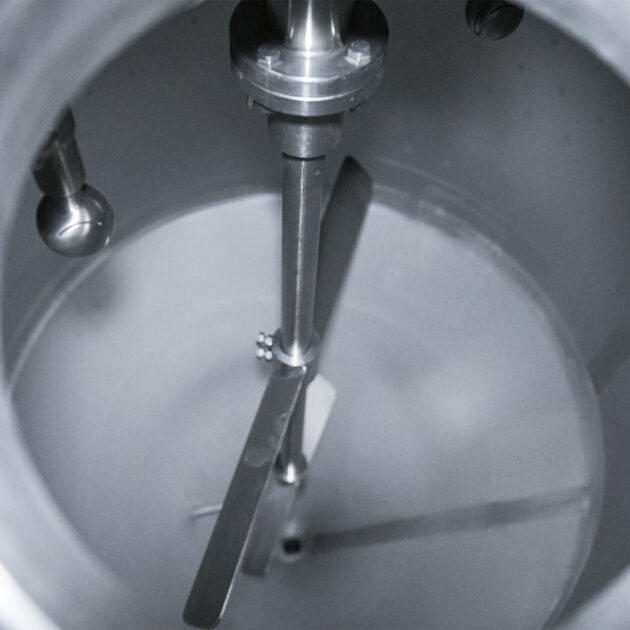
3-A Sanitary Design & Surface Finish
Crevice-free geometry, FDA-compliant materials, and a controlled surface finish are the foundation of hygienic vessel design.
Read the guide →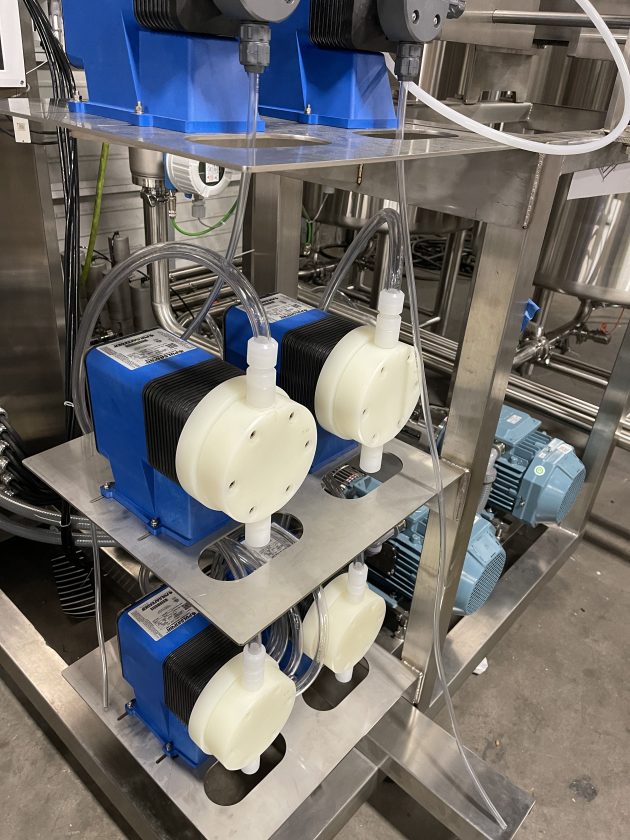
Clean-In-Place (CIP) Systems
CIP cleans tanks and piping in place using spray devices and balanced cycles of time, temperature, chemistry, and flow.
Read the guide →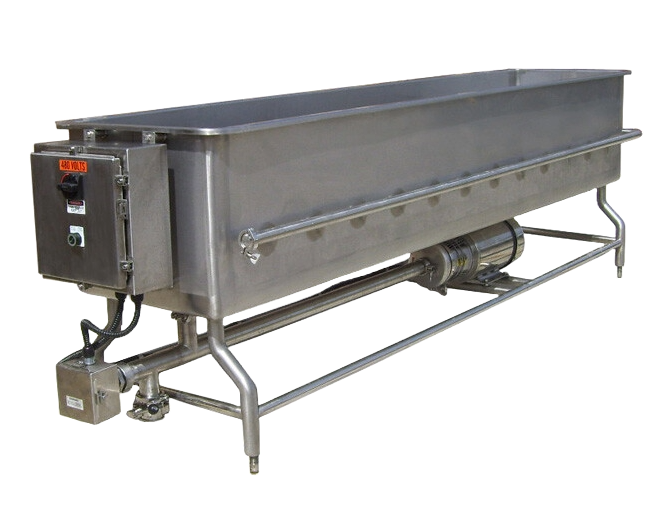
Clean-Out-of-Place (COP)
COP cleans disassembled parts in a dedicated agitated or ultrasonic wash tank when CIP cannot reach them.
Read the guide →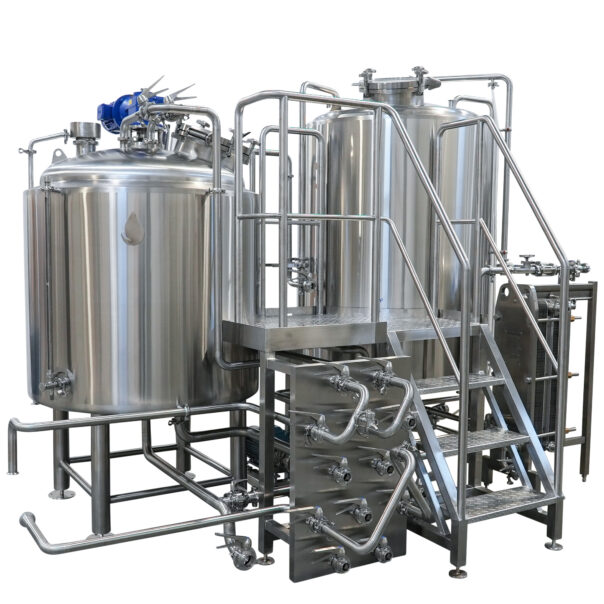
Sanitary Mixing & Blending Tanks
Sanitary mix and blend tanks pair hygienic, drainable construction with the right agitator and jacketing for the product.
Read the guide →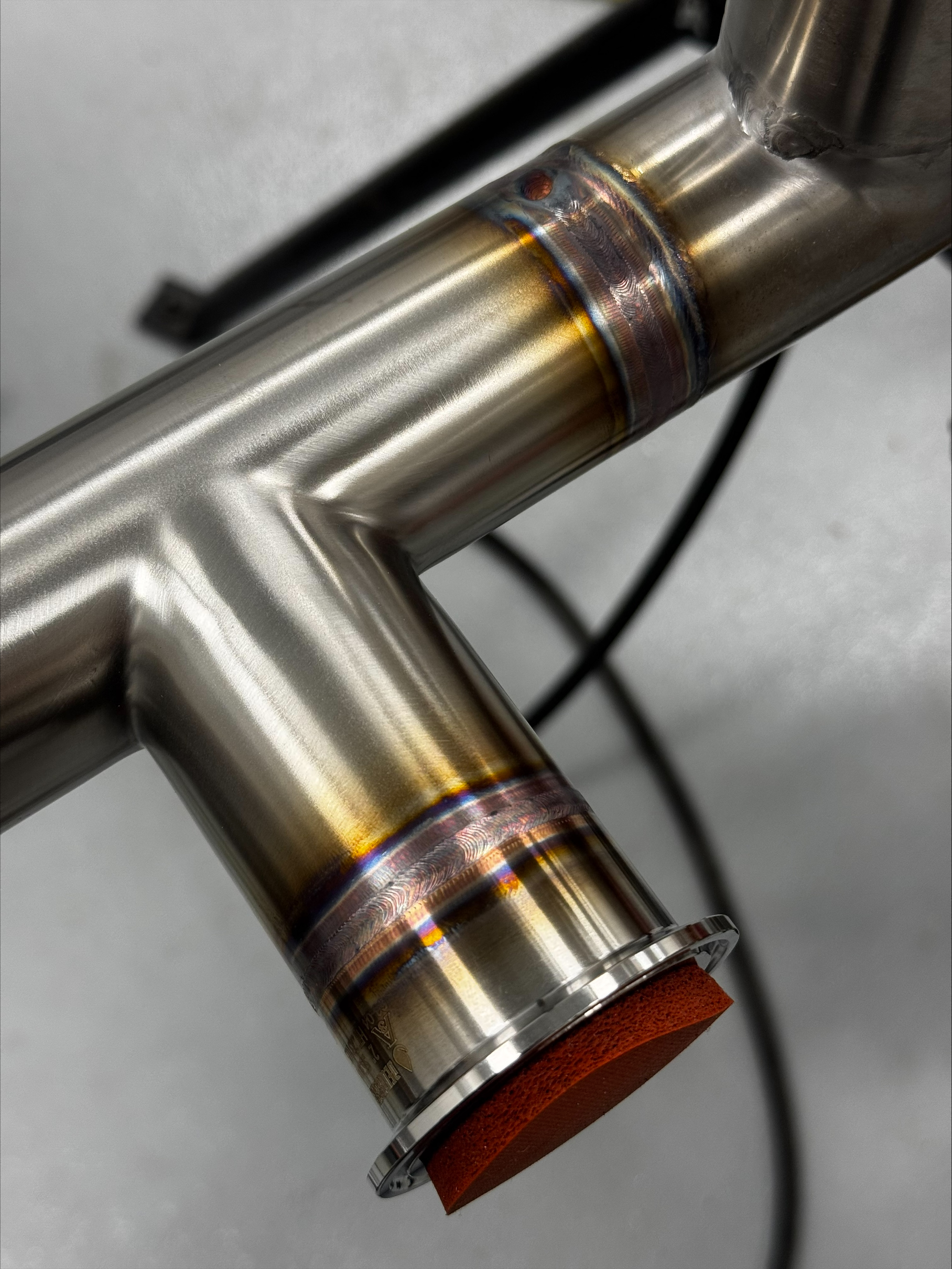
Electropolishing & Passivation
Passivation and electropolishing remove free iron and build the protective chromium-oxide layer that makes stainless corrosion resistant.
Read the guide →Frequently Asked Questions
- What's the difference between #4 polish and 32 Ra?
- #4 polish refers to the mechanical surface finish (180-grit belt-sanded appearance). 32 Ra refers to the measured roughness average in microinches. Product-contact surfaces on 3-A vessels must be 32 Ra or smoother — typically a #4 polish with additional electropolish or manual blend-sand to achieve the Ra spec.
- Do you provide material certifications?
- Yes. Every 3-A vessel ships with a Material Test Report (MTR) for each heat of stainless used, elastomer certifications for every gasket, and a Bill of Materials Compliance document listing every product-contact surface.
- Is 304 or 316L required for dairy?
- 304 is acceptable for most dairy processing. 316L is specified when the product stream contains significant chloride (brines, salted butter wash, some cheese programs), when the service includes aggressive sanitizer cycles, or when a customer quality program mandates it.
- How long does a sanitary CIP cycle take?
- A standard five-step cycle (pre-rinse, caustic circulation, intermediate rinse, acid circulation, final rinse) takes 45–90 minutes depending on vessel volume, soil load, and CIP-skid flow rate. Waterless or reduced-water programs can trim to 25–40 minutes.
Start a Sanitary Process Tanks Project
Give us your process specs and we come back with a full engineering package, firm lead time, and a fixed price. Freight quoted separately to your ZIP.
Request a Custom Quote Call 866-418-1777