
Alabama Septic Tank Regulations — Chapter 420-3-1 ADPH
Alabama Septic Tank Regulations
Alabama's rules for onsite sewage treatment and disposal are found in Chapter 420-3-1. They include a 2-day detention rule, a minimum tank size of 1,000 gallons, oversight by the Bureau of Environmental Services, and installer licensing by the Onsite Wastewater Board (628-X-1). These rules apply from the coast to the Tennessee Valley.
The Governing Framework
Alabama regulates onsite sewage through a two-board framework:
- Chapter 420-3-1 — Onsite Sewage Treatment and Disposal. The substantive rule issued by the Alabama State Board of Health.
- 420-3-1-.17 and 420-3-1-.27 — Septic Tank, Grease Trap, Trash Trap, and Holding Tank Standards and Specifications.
- 420-3-1-.64 — Disposal of Graywater.
- Alabama Department of Public Health (ADPH) — Bureau of Environmental Services — administers Chapter 420-3-1 statewide with county health department field implementation.
- Chapter 628-X-1 — Alabama Onsite Wastewater Board administrative rules. Licenses and regulates onsite system installers and manufacturers.
Septic Tank Capacity — The 2-Day Detention Rule
Alabama specifies tank capacity via hydraulic detention time rather than a pure bedroom-based table. The governing rule is:
| Parameter | Requirement |
|---|---|
| Minimum hydraulic detention time | 2 days (48 hours) based on design flow |
| Minimum effective liquid capacity | 1,000 gallons floor |
| Spa addition | +500 gallons per spa connected to the building sewer |
| Dwelling capacity table | Per Appendix A, Table 9 of the regulations |
The detention-time rule means you calculate the needed tank size by multiplying the design flow by 2 days. For a 3-bedroom house with a 450 gallons per day (gpd) design flow, the minimum tank size is 900 gallons, but you must use at least a 1,000-gallon tank. For a 4-bedroom house with a 600 gpd design flow, the minimum is 1,200 gallons. For a commercial site with a 2,000 gpd design flow, the rule requires a 4,000-gallon tank.
Setback Distances
| From Effluent Disposal Field To | Minimum Distance |
|---|---|
| Private well or potable spring | 100 feet |
| Property line | 5 feet |
These minimum requirements are set in Chapter 420-3-1. There are also additional distance requirements from surface waters, building foundations, water lines, and drinking-water sources. Check the full rule text or contact your county environmental health office for the complete list of distance requirements for your site.
Permit Process
- Application to county health department. ADPH delegates field permitting to county environmental health offices across all 67 Alabama counties.
- Soil and site evaluation. Environmental health specialist or soil classifier evaluates the parcel for soil type, depth to water table, and suitability for the proposed system.
- System design submittal. Plot plan, soil results, proposed tank and absorption-field sizing.
- Permit issuance. County-level permits. Fees typically $250–$600; timeline 3–8 weeks.
- Licensed installer construction. Alabama Onsite Wastewater Board (Chapter 628-X-1) licenses installers. Use only a licensed installer — unlicensed work can void your permit and create significant real-estate-transfer liability.
- Pre-cover inspection. County inspects tank, piping, and absorption field placement before backfill.
Regional Considerations
- coastal (Mobile, Baldwin County): High water table, sandy soils, hurricane floodplain considerations. Tank anchoring mandatory. FEMA and state post-hurricane inspection protocols apply after major storms.
- Black Belt (Dallas, Marengo, Hale counties): Dense clay soils with poor absorption rates. Alternative systems (mounds, drip dispersal, ATUs) are often required because conventional trench dispersal fails in Black Belt clay.
- North Alabama (Huntsville, Birmingham, Tuscaloosa): Valley-and-ridge topography with karst limestone in parts of the Tennessee Valley. Sinkhole-zone engineering review required in known karst areas.
- Piedmont (Auburn, Opelika, Dothan): Red clay over saprolite. Standard systems possible but percolation varies widely within single parcels — on-site testing at multiple points is typical.
- Tennessee Valley: TVA coordination required within 100-year floodplain of TVA-managed watersheds. Setbacks to TVA-regulated surface water can exceed standard ADPH minimums.
Material Approvals
ADPH accepts polyethylene septic tanks that meet 420-3-1-.17 and 420-3-1-.27 construction standards. Verify at order:
- IAPMO PS 1 or NSF 46 listing
- Ribbed polyethylene rated for design burial depth
- Two-compartment construction is preferred; single-compartment with approved configuration is also accepted
- Effluent filter compatibility
- For coastal counties — anchor straps or ballast options for flood-zone installations
Frequently Asked Questions
- Why does Alabama use detention time instead of bedroom count?
- The 2-day detention approach handles commercial and unusual-flow scenarios better than a pure bedroom table. A 2-bedroom vacation rental with 4-person occupancy generates more daily flow than a 2-bedroom permanent residence with 2 occupants — detention-time sizing catches this. For standard residential, the bedroom table in Appendix A Table 9 is still used as shorthand.
- What's the difference between ADPH and the Onsite Wastewater Board?
- ADPH writes the substantive rule (Chapter 420-3-1) and approves system designs/permits through county health departments. The Alabama Onsite Wastewater Board (Chapter 628-X-1) licenses the installers and enforces professional conduct. Both agencies exist independently — you need both a permit (ADPH/county) and a licensed installer (Onsite Wastewater Board) for a compliant installation.
- Can I install near the Gulf or a tidal creek?
- Yes with appropriate engineering. Coastal installations require anchoring, tide-resistant venting, and often alternative dispersal (mounds) because of high water tables. Mobile and Baldwin counties have specialized coastal environmental health expertise.
- What if my soil fails the site evaluation in the Black Belt?
- Alternative systems are the answer. ATUs (aerobic treatment units), drip dispersal systems, and mound systems all see frequent use in Black Belt clay. Expect $8,000–$25,000 system cost and annual or quarterly maintenance contracts.
Source Citations
Shop Septic Tanks for Alabama
OneSource stocks polyethylene septic tanks meeting Alabama construction requirements. Match capacity to your design flow per the rules summarized above. Tank + accessories + holding tank options below cover standard and alternative configurations. OneSource drop-ships from the OEM warehouse closest to your install address.
Plastic Septic Tanks
Full polyethylene septic tank catalog. Sizes from 300 to 1,500+ gallons for Alabama installations.
Browse Plastic Septic TanksIAPMO Approved Models
NSF/IAPMO listed tanks. Some counties and some installation types require this listing.
Browse IAPMO Approved ModelsSeptic Accessories
Risers, lids, baffles, filters, alarms, pumps, and install hardware.
Browse Septic AccessoriesHolding Tanks
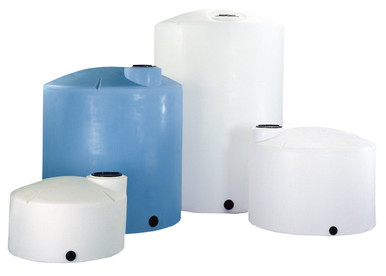
Holding tanks for construction sites, recreational properties, and pump-and-haul installations.
Browse Holding TanksStoring chemicals in your Alabama tank?
Alabama's rules for onsite sewage systems don't include chemical-storage tanks. Those are specified by the manufacturer. If you need a tank for chemicals like sulfuric acid, bleach, or fertilizer solution, our Chemical Compatibility Database has all the construction specifications you need.
Agricultural Tank Regulations — Alabama Department of Agriculture and Industries
The Alabama Department of Agriculture and Industries (ADAI) oversees pesticide and fertilizer storage through its Agricultural Chemistry, Pesticide Management, and Plant Industry divisions. These rules are in Title 80 of the Alabama Administrative Code.
- Chapter 80-1-13 — Sale and Use of Pesticides. Establishes registration, labeling, and storage-handling duties for registrants and applicators, with statutory authority under Code of Alabama 1975, sections 2-27-8 and 2-27-57.
- Chapter 80-1-14 — Agricultural Chemistry (fertilizer, lime, and soil amendment product registration, label guarantees, and inspection).
- Chapter 80-10-9 — Plant Industry pesticide use requirements, including restricted-use pesticide recordkeeping.
- Chapter 80-5-1 — Commissioner's Office civil penalty schedule.
Alabama's pesticide rules require that registered products be stored in intact and clearly labeled containers, with restricted-use pesticides kept separate from general-use products. ADAI doesn't have a specific containment rule like Kansas K.A.R. 4-4-931, so operators usually follow federal SPCC (40 CFR 112) for oil over 1,320 gallons and the EPA Pesticide Container Containment Rule (40 CFR 165 Subpart E) for commercial pesticide repackaging. Farmers in different regions of Alabama often store chemicals in polyethylene tanks with 110% secondary containment as a best practice.
Oil & Gas Produced Water — State Oil and Gas Board of Alabama
The State Oil and Gas Board of Alabama, part of the Geological Survey of Alabama, regulates oil and gas activities under Title 400 of the Alabama Administrative Code.
- Chapter 400-1-1 through 400-1-8 — Rules governing onshore land operations, including transportation and gathering lines.
- Chapter 400-2 — Rules governing submerged offshore operations.
- Chapter 400-3 — Well permit requirements including 400-3-2-.01 (Well Permit).
- Chapter 400-4-1 — Class II Underground Injection Control Operations. Authorizes Class II injection wells for enhanced recovery and for disposal of saltwater and other wastes produced in association with oil or gas operations.
Oil and gas activities in Alabama are mainly in the Black Warrior Basin, Mobile Bay, and other fields. Operators using frac tanks, brine tanks, and tank batteries must follow OGB's secondary-containment and reporting rules, dispose of produced water through permitted Class II wells under 400-4-1, and work with the Alabama Department of Environmental Management (ADEM) on surface-water discharge issues. Coastal operators also coordinate with the Bureau of Safety and Environmental Enforcement (BSEE) for federal waters.
Septic System Sizing Deep Dive
The Alabama Department of Public Health (ADPH) regulates onsite sewage systems under Alabama Administrative Code Chapter 420-3-1. Here's a typical capacity table used in the field.
| Bedrooms | Minimum Septic Tank Capacity |
|---|---|
| 1–3 BR | 1,000 gallons |
| 4 BR | 1,250 gallons |
| 5 BR | 1,500 gallons |
| 6+ BR | +250 gallons per additional bedroom |
The ADPH rule specifies distances to wells, surface water, property lines, and building foundations. These distances might have changed, so check with your county health department for the latest table before finalizing your site plan. Coastal counties like Mobile and Baldwin have high water tables and flood zones, often requiring mound systems or pretreatment units. Piedmont and upland counties usually use conventional trenches. Certified installers are needed for all new systems.
Chemical Storage Secondary Containment & Spill Reporting
Federal SPCC (40 CFR 112) applies at 1,320 gallons aggregate aboveground oil. Alabama layers on:
- ADEM Admin Code Division 8 — Underground and Aboveground Storage Tank rules. Registration, notification, and release reporting to the ADEM Land Division.
- Alabama Code sections 22-35-1 through 22-35-13 — Alabama Underground and Aboveground Storage Tank Trust Fund Act.
- Reporting: Federal reportable quantity releases (40 CFR 302.4) must be reported to the National Response Center at 1-800-424-8802. State spills are reported to the ADEM 24-hour emergency number on the ADEM Office of Field Operations page.
- ADEM Admin Code 335-7 — Water pollution control rules applicable to discharges to waters of the state.
Secondary containment for polyethylene chemical tanks should hold at least 110% of the largest tank's capacity. If you have more than 1,320 gallons of oil, you need a written SPCC plan with documented inspections. For current fees and state-specific RQ thresholds, contact ADEM directly.
Permit Pathways at a Glance
- Residential septic: County health department under ADPH Chapter 420-3-1.
- Commercial pesticide/fertilizer registration: ADAI under Chapters 80-1-13 and 80-1-14.
- Restricted-use pesticide applicator: ADAI certification under Chapter 80-10-9.
- Oil & gas produced water storage & disposal: State Oil and Gas Board under Title 400; Class II UIC under 400-4-1.
- Petroleum UST: ADEM Division 8 registration and fees.
- SPCC > 1,320 gal oil aggregate: Federal SPCC plan; state spill reporting through ADEM.
Fees and timelines are agency-specific. Contact ADAI, ADEM, or the State Oil and Gas Board directly for current numbers.
More Alabama FAQs
- Do I need an ADAI permit for a 1,500-gallon liquid fertilizer tank at my peanut farm?
- ADAI registers fertilizer products and distributors, not individual farm tanks. Below the 1,320-gallon SPCC threshold no federal oil rules apply (UAN typically isn't classified as oil). Above 1,320 gallons aggregate you may trigger federal SPCC if the product falls under the oil definition — check with your chemical supplier.
- My coalbed methane lease in Tuscaloosa County has a produced-water tank battery. What applies?
- You're under State Oil and Gas Board jurisdiction under Title 400 for onshore operations. Containment and disposal follow Chapter 400-4-1 for Class II injection. Any surface-water discharge coordinates with ADEM. Black Warrior Basin CBM water is relatively fresh compared to conventional Smackover brines, but poly tank specification should still verify chemistry and TDS.
- What are hurricane flood-zone requirements for septic in Baldwin County?
- ADPH onsite rules plus local flood-zone overlays from Baldwin County Planning and FEMA elevation certificates. Tanks in V-zones typically require anchoring to resist buoyancy; A-zones need elevated access risers. Many coastal lots require mound systems or pretreatment due to shallow groundwater.
- Is there a state-funded cleanup program for chemical tank releases?
- Alabama operates the UST Trust Fund (22-35-1 et seq.) for eligible petroleum UST releases. Non-petroleum chemical tanks are owner liability with no state reimbursement. Maintain current ADAI registration and SPCC compliance to preserve insurance options.
- Do poultry house bulk propane tanks need special permits?
- Propane follows NFPA 58 and the Alabama LP-Gas Board rules, not ADAI. Water tanks and medicator tanks for poultry biosecurity are generally unregulated by ADAI or ADEM beyond local well and septic siting.
Septic Tanks That Meet Alabama Code
Alabama (ADPH Chapter 420-3-1) sizes septic tanks by bedroom count or design flow, with residential systems typically starting at 1,000 gallons. These IAPMO PS 1–listed polyethylene tanks meet that capacity standard; your county or state permitting office confirms the final size.
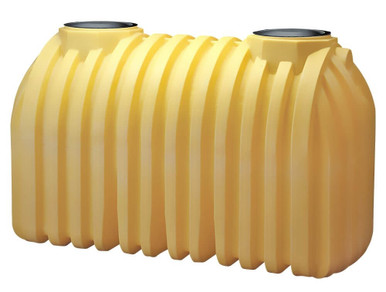
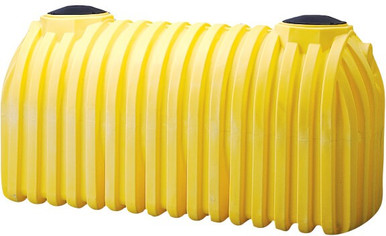
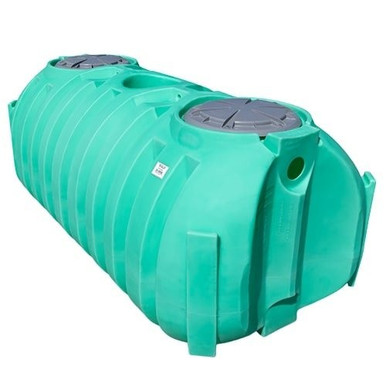
Shop all IAPMO PS 1–listed septic tanks →
Meeting the construction standard is not the same as a permit — your county environmental health office issues the permit and makes the final determination. Call us with your permit number and we will confirm the exact tank spec before shipment, with freight quoted to your ZIP.
Chemical Storage & Secondary Containment in Alabama
Storing fuel, fertilizer, or process chemicals alongside your tank changes the rules. The federal Spill Prevention, Control, and Countermeasure rule (40 CFR Part 112) applies at 1,320 gallons of aggregate aboveground oil storage and requires secondary containment sized to at least 110% of your largest tank. Releases of hazardous substances above their federal reportable quantity (40 CFR 302.4) must be reported to the National Response Center at 1-800-424-8802.
Alabama layers its own spill reportable quantities and restricted-substance rules on top of that federal floor — confirm the current thresholds with your state environmental agency before specifying a chemical tank. Just as important, the polyethylene resin must be matched to the exact chemical, concentration, and specific gravity you intend to store; a tank rated for water is not automatically rated for acid, bleach, or fertilizer.
Last reviewed: May 2026 · sourced from Alabama administrative code
Regulations change on a rolling basis — confirm the current rule with your county or state agency before purchasing. Spot something out of date? Email us and we'll fix it.
Nearby states (East South Central) & full index: