
Connecticut Septic Tank Regulations — DPH Technical Standards
Connecticut Septic Tank Regulations
Connecticut's rules for underground sewage systems are managed by the CT Department of Public Health Technical Standards (2024 version). For homes, the minimum tank size is 1,000 gallons. The DPH/DEEP split jurisdiction applies to systems handling up to 7,500 gallons per day, considering regional differences from the Litchfield Hills to Long Island Sound.
The Governing Framework
Connecticut regulates onsite subsurface sewage disposal under:
- Technical Standards for Subsurface Sewage Disposal Systems — Connecticut Department of Public Health, 2024 version effective January 1, 2024. Incorporated by reference into the Public Health Code.
- Public Health Code § 19-13-B103 — the regulatory hook referencing the Technical Standards.
- CT Department of Public Health (DPH) — jurisdiction over systems with design flow under 7,500 gallons per day.
- CT Department of Energy and Environmental Protection (DEEP) — jurisdiction over systems with design flow 7,500 gpd or greater. DEEP applies subsurface discharge permit requirements for large systems.
- Local health directors — handle field permits under DPH oversight. Most Connecticut municipalities have a local or district health director.
Septic Tank Capacity
| Installation | Minimum Tank Capacity |
|---|---|
| Residential baseline | 1,000 gallons |
| Residential with garbage disposal | 1,250 gallons |
| Larger residences or high design flow | Per Technical Standards sizing tables |
| Commercial / institutional | Per Technical Standards flow calculations |
The 1,000-gallon minimum is similar to other New England states. If you have a garbage disposal, it adds more solids to the system, so you need a larger tank to handle the extra waste.
Setback Distances
Key Connecticut Technical Standards setbacks include:
| Feature | Minimum Distance |
|---|---|
| Septic system to private water well | 100 feet (baseline) |
| Septic system to public water supply | 200 feet |
| Absorption field setbacks | Per Technical Standards 2024 Section V |
| Watercourses, wetlands, foundations, property lines | Per Technical Standards sections |
Public water supply areas require a 200-foot setback, which is stricter than the 100-foot setback for private wells. If your property is in a state-designated Aquifer Protection Area or a public water supply watershed, expect more rules on top of the basic Technical Standards.
Permit Process
- Contact your local or district health director. Most Connecticut municipalities have a health director handling DPH-delegated permits. Some municipalities belong to district health departments covering multiple towns.
- Soil and site evaluation. Including percolation testing, soil profile, and site restrictions assessment.
- System design submission. Per Technical Standards 2024 design procedures.
- B100a review where applicable — the Connecticut sanitarian's plan review form.
- Permit issuance by local health director.
- Licensed installer construction.
- Inspection before cover. Local health director inspects.
- Certificate of occupancy coordination with municipal building department.
Regional Considerations
- Fairfield County (Stamford, Greenwich, Westport): Mix of dense suburbs on municipal sewer and high-value rural-estate parcels on septic. Waterfront parcels along Long Island Sound face saltwater-table concerns.
- Hartford / New Haven metro: Largely on municipal sewer. Remaining septic on exurban fringe and older suburban parcels.
- Litchfield Hills (northwest): Rural-estate parcels, rolling terrain, variable soils over bedrock. Standard systems common; alternative systems where bedrock is shallow.
- Eastern Connecticut (Quiet Corner): Rural and small-town. Extensive septic dependence. Typical New England glacial soils.
- Shoreline (New London, Middlesex coast): Coastal sandy soils. Tidal-zone considerations and Long Island Sound watershed protections.
- Connecticut River Valley: Varied alluvial soils. Check floodplain designation before siting.
Alternative Treatment and I/A Systems
Connecticut's Technical Standards allow for alternative treatment methods when traditional septic systems aren't possible due to soil, slope, or water table issues. The 2024 update includes improved procedures for these situations.
- Pressure distribution systems
- Sand filters and peat biofilters
- Aerobic treatment units (ATUs)
- Cluster and community systems for small-scale commercial and subdivision applications
Alternative systems need specific engineering reviews and usually require ongoing maintenance contracts. Costs can range from $20,000 to $60,000 or more for an I/A system, compared to $10,000 to $20,000 for a conventional system.
Frequently Asked Questions
- What changed in the 2024 Technical Standards update?
- The 2024 version effective January 1, 2024 is a comprehensive revision of the prior Technical Standards. Changes include updated design procedures, refined alternative-system provisions, and clarifications on setback methodologies. Verify the current version at CT DPH's onsite sewage portal before beginning design.
- Do I go to DPH or DEEP for my system?
- Daily design flow under 7,500 gpd: DPH and your local health director. Daily design flow 7,500 gpd or greater: DEEP under subsurface discharge permit. Most single-family, multi-family, and small commercial falls under DPH jurisdiction. Larger commercial, institutional, and community systems fall under DEEP.
- What's a "district health department" in Connecticut?
- Several Connecticut municipalities combine health services into district health departments covering multiple towns. Examples include Chesprocott Health District, Farmington Valley Health District, and others. If your town doesn't have a standalone health department, it likely belongs to a district. Contact your town hall for the correct health jurisdiction.
- Are polyethylene tanks accepted in Connecticut?
- Yes, when meeting IAPMO/NSF listings and CT Technical Standards construction requirements. The 1,000-gallon single-compartment and 1,250-gallon two-compartment polyethylene tanks from major OEMs are commonly approved. Verify your specific model with your local health director.
- Does Connecticut require nitrogen-reduction technology?
- Not statewide by default. In specific designated watersheds or aquifer protection areas, nitrogen-reduction requirements may apply. Long Island Sound watershed nitrogen load is a growing regulatory concern but statewide mandatory BAT has not been adopted as of current standards.
Source Citations
Shop Septic Tanks for Connecticut
OneSource stocks polyethylene septic tanks meeting Connecticut construction requirements. Match capacity to your design flow per the rules summarized above. Tank + accessories + holding tank options below cover standard and alternative configurations. OneSource drop-ships from the OEM warehouse closest to your install address.
Plastic Septic Tanks
Full polyethylene septic tank catalog. Sizes from 300 to 1,500+ gallons for Connecticut installations.
Browse Plastic Septic TanksIAPMO Approved Models
NSF/IAPMO listed tanks. Some counties and some installation types require this listing.
Browse IAPMO Approved ModelsSeptic Accessories
Risers, lids, baffles, filters, alarms, pumps, and install hardware.
Browse Septic AccessoriesHolding Tanks
Holding tanks for construction sites, recreational properties, and pump-and-haul installations.
Browse Holding TanksStoring chemicals in your Connecticut tank?
Connecticut's OSSF rules don't apply to chemical-storage tanks. These are specified by the manufacturer. If you need a tank for chemicals like sulfuric acid, bleach, or fertilizer solution, our Chemical Compatibility Database has all the construction details you need.
Agricultural Tank Regulations — CT DoAg & DEEP
The Connecticut Department of Agriculture (DoAg) and the Department of Energy and Environmental Protection (DEEP) oversee agricultural tanks under the Connecticut General Statutes (C.G.S.) and the Regulations of Connecticut State Agencies (RCSA).
- RCSA § 22-61b — DoAg Pesticide Control rules; applicator licensing, restricted-use pesticide (RUP) recordkeeping, bulk storage, and repackaging.
- C.G.S. § 22-61 — Connecticut Pesticide Control Act (statutory authority).
- C.G.S. Chapter 380 — Commercial Fertilizer registration, tonnage reporting, and labeling.
- RCSA § 22a-430 and related — DEEP Bureau of Water Protection and Land Reuse rules covering agricultural discharge, nutrient management, and dairy/livestock operations.
Connecticut's agriculture includes dairy and tobacco in the Connecticut River Valley, vegetables and nurseries in the central state, shellfishing along Long Island Sound, and equine/horticulture statewide. Agricultural businesses storing bulk liquid fertilizers and pesticides must have secondary containment at 110% of the largest tank, with impermeable liners and spill recovery systems. The Long Island Sound Nitrogen Total Maximum Daily Load (TMDL) affects water quality and requires stricter standards for septic systems, fertilizer management, and dairy waste in the southern state.
Oil & Gas Storage — Petroleum UST Path
Connecticut doesn't produce oil or gas, so there's no framework for operator tank batteries. Petroleum storage is managed through UST/AST and remediation rules.
- RCSA § 22a-449(d)-1 through -113 — DEEP UST regulations: design, installation, corrosion protection, spill/overfill, release detection, operator training, closure, financial responsibility.
- C.G.S. § 22a-449c — Connecticut Underground Storage Tank Petroleum Clean-Up Account (state fund for eligible corrective-action costs).
- RCSA § 22a-133k — Remediation Standard Regulations (REM); the Connecticut cleanup framework administered by DEEP's Remediation Division and the Licensed Environmental Professional (LEP) program.
- NFPA 30 / 30A — adopted through State Fire Marshal and local fire-code enforcement for flammable and combustible liquids.
Offshore federal leasing on the Atlantic is managed by BOEM/BSEE and is not under state control. Residential heating-oil tanks in 1- to 4-unit buildings follow RCSA § 22a-449(d)-1 exemptions and insurance programs. Commercial and fleet UST/AST facilities must follow the full 22a-449(d) rules and handle any spills or releases.
Septic System Sizing — RCSA § 19-13-B103
The Connecticut Department of Public Health (DPH) regulates underground sewage systems under RCSA § 19-13-B103. For homes, the design flow is 150 gallons per day per bedroom.
| Bedrooms | Minimum Septic Tank Capacity |
|---|---|
| 1–3 BR | 1,000 gallons |
| 4 BR | 1,250 gallons |
| 5 BR | 1,500 gallons |
| 6+ BR | Add 250 gallons per additional bedroom |
Local health departments in Connecticut manage sewage permits under DPH oversight. The soil types vary across the state, affecting how fast water drains. Advanced treatment systems are often needed in shoreline towns near Long Island Sound due to nitrogen limits. Mound systems are common in areas with shallow bedrock, and elevated tanks with anti-flotation features are used in flood-prone coastal areas.
Long Island Sound Nitrogen TMDL & Remediation Standards
Two Connecticut frameworks drive chemical and industrial tank compliance beyond federal SPCC:
- LIS Nitrogen TMDL — the EPA-approved TMDL for nitrogen loads to Long Island Sound (2000, updated) sets point- and non-point-source reduction obligations; DEEP implements through NPDES permits, WPCF upgrades, and watershed programs. Facilities with nitrogen-bearing process tanks (fertilizer, food-processing wastewater, municipal influent) in LIS-tributary watersheds face tighter discharge limits and load-allocation tracking.
- RCSA § 22a-133k REM (Remediation Standard Regulations) — the Connecticut cleanup rule; Licensed Environmental Professionals (LEPs) self-implement investigation and remediation with DEEP audit oversight. Every release from a permitted or abandoned tank triggers REM applicability.
- C.G.S. § 22a-134 Transfer Act — property-transfer disclosure and cleanup trigger for “establishments” (historical hazardous-waste generators and certain fuel/industrial sites); can require full REM compliance at sale.
- NFPA 30 / 30A — State Fire Marshal and local fire-code enforcement for petroleum and flammable/combustible liquid AST storage.
Report federal-RQ releases to the National Response Center at 1-800-424-8802; report state releases to the DEEP 24-hour hotline.
Permit Pathways at a Glance
- Residential septic: Local/district health department under RCSA § 19-13-B103 with DPH oversight.
- Fertilizer registration: DoAg under C.G.S. Chapter 380.
- Pesticide applicator license: DoAg under RCSA § 22-61b.
- Petroleum UST: DEEP under RCSA § 22a-449(d) with state UST fund participation.
- Flammable/combustible AST: State Fire Marshal / local fire under NFPA 30/30A.
- SPCC > 1,320 gal oil aggregate: Federal SPCC plan; DEEP spill reporting.
- Release investigation / cleanup: DEEP REM (RCSA § 22a-133k) with LEP oversight.
- Transfer Act: DEEP under C.G.S. § 22a-134 at property sale for establishments.
Current fees change; verify with DEEP, DoAg, or DPH before budgeting.
More Connecticut FAQs
- What is a Licensed Environmental Professional (LEP) and when is one required?
- Under C.G.S. § 22a-133v an LEP is a state-licensed environmental professional who self-implements investigation and remediation under the Remediation Standard Regulations (RCSA § 22a-133k). LEP engagement is required for sites on the DEEP Site Discovery/Remediation lists, Transfer Act filings, and voluntary cleanups. Tank-owner insurance often provides LEP selection from approved panels.
- Does the Transfer Act apply to my property sale?
- C.G.S. § 22a-134 applies at the transfer of an “establishment,” which includes historical hazardous-waste generators, dry cleaners, furniture strippers, and certain fuel-handling or industrial sites. A Form III or Form IV filing obligates the signing party to complete REM investigation and cleanup. Connecticut's Transfer Act is being phased out in favor of a release-based framework, but legacy filings remain active — confirm status with DEEP before closing.
- How does the LIS nitrogen TMDL affect my septic or tank project?
- The Long Island Sound nitrogen TMDL drives tightened effluent-nitrogen targets in shoreline towns and LIS-tributary watersheds (Connecticut River, Thames, Housatonic). For on-site septic this translates to advanced nitrogen-reducing technology in sensitive sub-watersheds; for industrial process tanks with nitrogen-bearing wastewater it tightens NPDES or WPCF discharge limits. Confirm watershed applicability with DEEP during permitting.
- Does CT have its own AST registration program?
- Connecticut does not run a comprehensive standalone AST registration rule like Texas 30 TAC 334 Subch. I. Petroleum AST operators follow federal SPCC at 1,320-gallon threshold plus RCSA § 22a-449(d) for the UST side of facilities and NFPA 30/30A via the State Fire Marshal; REM governs any release response. Fuel-oil tanks at 1- to 4-unit residential buildings have partial exemptions.
- Who handles dairy-farm waste storage?
- DEEP's Bureau of Water Protection and Land Reuse, together with USDA NRCS and the Connecticut Agricultural Experiment Station, administers dairy-waste best-management frameworks. Above threshold, a dairy may need an NPDES CAFO permit; manure-storage tanks follow NRCS Code 313 design and nutrient-management plan requirements tied to LIS nitrogen targets.
- What is a WPCF permit and when is it needed?
- A Water Pollution Control Facility (WPCF) permit is issued under RCSA § 22a-430 for discharges to waters of the state that are not subject to NPDES (e.g., groundwater, subsurface). Industrial process-tank installations discharging to on-site subsurface systems often require a WPCF permit in addition to any NPDES coverage and LIS-TMDL load allocation.
Septic Tanks That Meet Connecticut Code
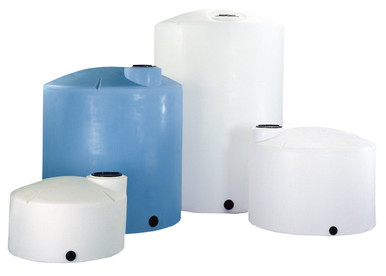
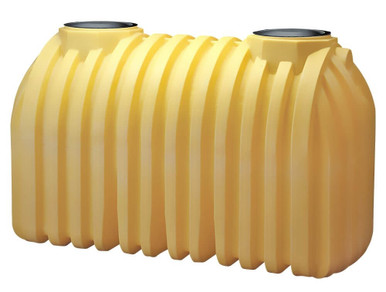
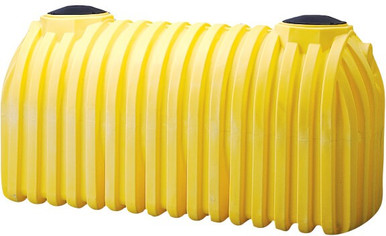
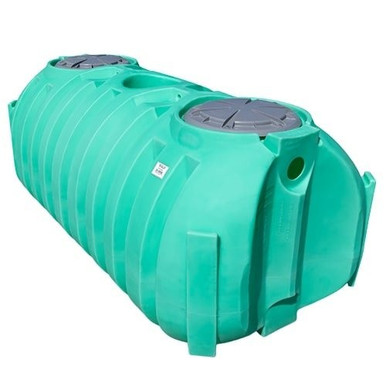
Connecticut (CT DPH Technical Standards) sizes septic tanks by bedroom count or design flow, with residential systems typically starting at 1,000 gallons. These IAPMO PS 1–listed polyethylene tanks meet that capacity standard; your county or state permitting office confirms the final size.
Shop all IAPMO PS 1–listed septic tanks →
Meeting the construction standard is not the same as a permit — your county environmental health office issues the permit and makes the final determination. Call us with your permit number and we will confirm the exact tank spec before shipment, with freight quoted to your ZIP.
Chemical Storage & Secondary Containment in Connecticut
Storing fuel, fertilizer, or process chemicals alongside your tank changes the rules. The federal Spill Prevention, Control, and Countermeasure rule (40 CFR Part 112) applies at 1,320 gallons of aggregate aboveground oil storage and requires secondary containment sized to at least 110% of your largest tank. Releases of hazardous substances above their federal reportable quantity (40 CFR 302.4) must be reported to the National Response Center at 1-800-424-8802.
Connecticut layers its own spill reportable quantities and restricted-substance rules on top of that federal floor — confirm the current thresholds with your state environmental agency before specifying a chemical tank. Just as important, the polyethylene resin must be matched to the exact chemical, concentration, and specific gravity you intend to store; a tank rated for water is not automatically rated for acid, bleach, or fertilizer.
Last reviewed: May 2026 · sourced from Connecticut administrative code
Regulations change on a rolling basis — confirm the current rule with your county or state agency before purchasing. Spot something out of date? Email us and we'll fix it.
Nearby states (New England) & full index: