
Louisiana Septic Tank Regulations — Sanitary Code Title 51 Part XIII
Louisiana Septic Tank Regulations
Louisiana's Sanitary Code Title 51 Part XIII, managed by the LDH Office of Public Health, sets rules for sewage systems. It includes the 2.5× design-flow capacity rule, a minimum of 500 gallons, and specific tank depth requirements, considering local conditions from New Orleans to the Sportsman's Paradise.
The Governing Framework
Louisiana regulates onsite sewage disposal under the state Sanitary Code:
- Louisiana Administrative Code Title 51 — Public Health-Sanitary Code, Part XIII — Sewage Disposal. The full substantive rule covering all individual and commercial sewage disposal systems.
- La. Admin. Code tit. 51 § XIII-511 — General Requirements.
- La. Admin. Code tit. 51 § XIII-715 — Septic Tanks (construction, capacity, liquid depth).
- La. Admin. Code tit. 51 § XIII-1301 — General Requirements for alternative system types.
- Louisiana Department of Health (LDH) — Office of Public Health (OPH) — administers the rule. The Sanitarian program handles field-level permits and inspections.
- Parish-level oversight — Louisiana's parish structure (functional equivalent of counties) implements through parish OPH offices.
Septic Tank Capacity — 2.5 × Design Flow Rule
Louisiana uses a design-flow-based capacity formula rather than a pure bedroom table:
| Parameter | Requirement |
|---|---|
| Minimum total liquid capacity | 2.5 × estimated average daily design flow |
| Absolute minimum for all applications | 500 gallons |
| One-bedroom residence | May use 500-gallon tank (the floor) |
| Design-flow reference | Chapter 15 of Part XIII contains sewage loading criteria |
For residential tanks, size depends on water use. A home using 300 gallons per day needs a 750-gallon tank. A home using 500 gallons per day needs a 1,250-gallon tank. A home or business using 1,000 gallons per day needs a 2,500-gallon tank.
Multi-Tank Series Configuration — § XIII-715
When using multiple tanks in series for larger systems:
- First tank — minimum 500-gallon liquid capacity
- Subsequent tanks — minimum 300-gallon liquid capacity each
- Total series capacity — must meet the 2.5 × design-flow rule
For large residential or small commercial systems, using one big tank might be hard. Instead of a 3,000-gallon tank, you can use two 1,500-gallon tanks or similar combinations.
Tank Geometry — 30 to 72 Inch Liquid Depth
§ XIII-715 specifies operational liquid depth bounds:
- Minimum liquid depth: 30 inches (measured from invert of outlet to bottom of tank)
- Maximum liquid depth: 72 inches
If a tank is less than 30 inches deep, solids don't settle well. If it's more than 72 inches deep, it's too deep to work effectively. Louisiana-compliant polyethylene tanks should stay within these depths.
Permit Process
- Contact your parish Office of Public Health (OPH). Louisiana Sanitarians handle field-level permits under parish OPH administration.
- Site evaluation. OPH Sanitarian evaluates soil and site conditions per Title 51 Part XIII protocols.
- System design submittal. Plot plan, design flow calculation, proposed tank and dispersal system.
- Permit issuance. Parish-level permits. Fees vary; typical range $200–$600.
- Licensed installer construction. Louisiana licenses wastewater installers under Title 51 framework.
- Final inspection. OPH Sanitarian inspects before cover.
Regional Considerations
- New Orleans Metro (Orleans, Jefferson): Largely on municipal sewer. Some below-sea-level parcels use pump-back systems. Remaining rural parish areas use conventional or alternative systems.
- Acadiana (Lafayette, St. Landry): High water table, clay soils. Mound and pressure-dosed systems common. Oil and petrochemical industry presence influences commercial septic demand.
- Baton Rouge corridor: Mixed urban/suburban with expanding sewer. Remaining septic parcels face increasing regulatory scrutiny.
- Northwest (Shreveport, Bossier): Red River floodplain considerations. Dryland soils in Piney Woods north. Standard systems typical.
- Sportsman's Paradise (Terrebonne, Lafourche): Coastal bayou country. Hurricane-prone. Fishing camps and seasonal properties use the 500-gallon floor. Tank anchoring required against flood.
- North Delta (East Carroll, Madison): Mississippi alluvial floodplain. Elevated tank risers mandatory.
- Flood-zone requirements: Post-Katrina revisions layered on top of Title 51 Part XIII. Consult OPH for current flood-zone tank anchoring and venting specifications.
Material Approvals
LDH OPH accepts polyethylene tanks meeting Title 51 Part XIII construction standards. Louisiana-specific considerations:
- IAPMO PS 1 or NSF 46 listing
- 30-72 inch liquid-depth range verified
- Hurricane anchoring system for coastal parishes
- Multi-compartment or two-tank-in-series configurations per § XIII-715
- Effluent filter compatible with LDH OPH requirements
- Risers rated for flood-zone service (accessible after flood recovery)
Frequently Asked Questions
- Why does Louisiana allow a 500-gallon tank?
- To accommodate the large Louisiana market for tiny homes, mobile homes, hunting/fishing camps, and seasonal properties. The 2.5× design-flow rule still applies — a 500 gal tank works for a 200 gpd home (2.5 × 200 = 500). Full-occupancy family homes will typically need larger tanks under the formula.
- What's the difference between OPH and LDH?
- LDH is the Louisiana Department of Health (the state agency). OPH is the Office of Public Health within LDH that specifically administers the Sanitary Code. The Sanitarian program within OPH handles field permits for septic systems through parish-level offices.
- Can I install in a hurricane-prone parish without special requirements?
- No. Post-Katrina revisions added flood-zone and hurricane-anchoring requirements for coastal and flood-prone parishes. Tank anchoring (earth anchors or concrete ballast) and flood-rated risers are required. Consult your parish OPH for specific local amendments.
- Does Louisiana accept polyethylene tanks?
- Yes, provided they meet Title 51 Part XIII requirements (including the 30-72 inch liquid depth geometry). Norwesco, Snyder, and other major OEMs have Louisiana-approved configurations.
- My parish OPH asked for multi-tank configuration. Why?
- For larger systems (above typical single-family), § XIII-715 multi-tank series is often the specification — first tank 500 gal, subsequent 300 gal+. This is standard Louisiana practice for 2,000+ gpd design flows. It's not unusual, just state-specific.
Source Citations
- LDH OPH Title 51 Part XIII Sewage Disposal (PDF, full rule)
- La. Admin. Code tit. 51 § XIII-715 Septic Tanks
- La. Admin. Code tit. 51 § XIII-511 General Requirements
- Title 51 Part XIII on Justia Louisiana
- Title 51 Part XIII table of contents (PDF)
- LSU AgCenter: Wastewater Installer Definitions and Permit Specifications
Shop Septic Tanks for Louisiana
OneSource stocks polyethylene septic tanks meeting Louisiana construction requirements. Match capacity to your design flow per the rules summarized above. Tank + accessories + holding tank options below cover standard and alternative configurations. OneSource drop-ships from the OEM warehouse closest to your install address.
Plastic Septic Tanks
Full polyethylene septic tank catalog. Sizes from 300 to 1,500+ gallons for Louisiana installations.
Browse Plastic Septic TanksIAPMO Approved Models
NSF/IAPMO listed tanks. Some counties and some installation types require this listing.
Browse IAPMO Approved ModelsSeptic Accessories
Risers, lids, baffles, filters, alarms, pumps, and install hardware.
Browse Septic AccessoriesHolding Tanks
Holding tanks for construction sites, recreational properties, and pump-and-haul installations.
Browse Holding TanksStoring chemicals in your Louisiana tank?
Louisiana's OSSF rules don't apply to chemical-storage tanks. These are specified by manufacturers. If you need a tank for chemicals like sulfuric acid or bleach, check our Chemical Compatibility Database for specifications.
Agricultural Tank Regulations — LDAF Pesticide and Fertilizer Rules
The Louisiana Department of Agriculture and Forestry (LDAF) handles pesticide and fertilizer rules under LAC Title 7 (Agriculture and Animals).
- LAC 7:XXIII Chapter 1 through 15 — Pesticide Control (Advisory Commission on Pesticides rules, registration, commercial and private applicator licensing, pesticide use rules, pesticide containers and bulk facilities under Chapter 13).
- LAC 7:XI Sections 101 through 133 — Fertilizer regulation under the Louisiana Agricultural Chemistry and Seed Commission.
- La. R.S. 3:1411 et seq. — Fertilizer manufacturer registration and quarterly tonnage reporting.
- Fertilizer-pesticide combinations — Must be registered under both laws, with pesticide active ingredient and percent displayed on the delivery ticket.
- Pesticide containers — Must be stored in a secure enclosure per LAC 7:XXIII rules.
Louisiana agriculture includes sugarcane, rice, soybeans, cotton, and specialty crops. Facilities for liquid fertilizer and pesticides follow the federal 40 CFR 165 Subpart E rule and must have 110% secondary containment for storage.
Oil & Gas Produced Water — Statewide Order No. 29-B / LAC 43:XIX
Louisiana has advanced infrastructure for oil and gas produced water. The Louisiana Office of Conservation (Department of Energy and Natural Resources) manages this.
- LAC 43:XIX Subpart 1 — Statewide Order No. 29-B. Originally codified as section 129, restructured December 2000 into Chapters 3, 4, and 5.
- LAC 43:XIX Chapter 3 — Oilfield Pit Regulations — onsite storage, treatment, and disposal of E&P waste from oil and gas wells. Section 303 (General Requirements) governs produced water discharge and disposal options.
- LAC 43:XIX Chapter 4 — Injection/disposal well regulations covering Class II UIC.
- LAC 43:XIX Chapter 5 — Off-site (commercial) storage, treatment, and disposal of E&P waste.
- Section 303 — Produced water shall be disposed of into subsurface formations not productive of hydrocarbons, unless discharged or disposed of per section 303's exceptions.
- Onsite storage — E&P waste intended for reuse may be stored at the receiving wellsite or a staging location in an above-ground storage tank or a lined production pit conforming to LAC 43:XIX.307.A liner requirements.
Polyethylene tanks for brine and frac water are used in areas like Haynesville Shale and Tuscaloosa Marine Shale. They must match the water's chemistry, which can be very salty, especially in south Louisiana.
Septic System Sizing Deep Dive
The Louisiana Department of Health (LDH) Sanitary Code, Part XIII, regulates sewage systems. Here's a typical capacity guide used locally.
| Bedrooms | Minimum Septic Tank Capacity |
|---|---|
| 1–3 BR | 1,000 gallons |
| 4 BR | 1,250 gallons |
| 5+ BR | 1,500 gallons (or engineered) |
| Non-dwelling | Engineered design based on peak daily flow |
In South Louisiana, high water tables make trench systems tough. Aerobic treatment units (ATUs) with chlorination and soak-away zones are common. North Louisiana can use trench systems. Flood zones need elevated tanks and anchoring as per LDH rules. Check with your parish sanitarian and LDH Office of Public Health before designing your site.
Chemical Storage Secondary Containment & Spill Reporting
Federal SPCC (40 CFR 112) applies at 1,320 gallons aggregate aboveground oil. Louisiana layers on:
- LAC 33:V (Solid and Hazardous Waste) — LDEQ rules covering hazardous-waste generator and release standards.
- LAC 33:XI — LDEQ Underground Storage Tank Regulations.
- LAC 33:I Chapter 39 — Notification requirements. Unauthorized discharges must be reported to LDEQ's 24-hour Single Point of Contact at 1-225-219-3640 (confirm current number with LDEQ).
- La. R.S. 30:2373 et seq. — Louisiana Underground Storage Tank law and Trust Fund.
Operators of polyethylene chemical tanks should have 110% secondary containment, an impervious pad, and include LDEQ notification in their response plan. If storing over 1,320 gallons of oil, a written SPCC plan is needed. Contact LDEQ for fee schedules and reporting thresholds.
Permit Pathways at a Glance
- Residential septic: LDH Office of Public Health / Parish Sanitarian under Sanitary Code Part XIII.
- Commercial pesticide dealer and applicator: LDAF licensing under LAC 7:XXIII.
- Fertilizer manufacturer/distributor: Louisiana Agricultural Chemistry and Seed Commission under LAC 7:XI.
- Oil & gas E&P waste: Office of Conservation under LAC 43:XIX Subpart 1; Class II UIC under Chapter 4.
- Petroleum UST: LDEQ under LAC 33:XI.
- SPCC > 1,320 gal oil aggregate: Federal SPCC plan; LDEQ spill reporting.
More Louisiana FAQs
- My Haynesville Shale well has a 500-barrel poly frac tank. Does LAC 43:XIX Section 303 apply?
- Yes — onsite storage of E&P waste at a wellsite falls under Chapter 3 pit regulations. Containment and disposal must meet liner requirements under 307.A and final disposal must go to a permitted Class II injection well under Chapter 4.
- Can I store produced water in an unlined pit?
- No. Louisiana's oilfield pit regulations require lined pits meeting 307.A specifications. Open, unlined pits for long-term produced-water storage are not permitted under current Statewide Order 29-B.
- My Acadiana sugarcane operation has 3,000 gallons of liquid herbicide. What applies?
- LDAF registration and applicator licensing rules under LAC 7:XXIII apply. Above 1,320 gallons of product classified as oil, federal SPCC would apply — most herbicide formulations don't qualify as oil. Build 110% secondary containment as best practice regardless.
- Are there special rules for floodplain and coastal parish septic?
- Yes. Coastal parishes and parishes below sea level require elevated tanks, buoyancy anchoring, and often alternative treatment systems. LDH works with the parish sanitarian on case-by-case engineering. Budget premium over upland parish installations.
- Is there a state-funded cleanup program?
- The Motor Fuels UST Trust Fund under R.S. 30:2373 covers eligible petroleum UST releases. Non-petroleum chemical releases are owner liability; oilfield E&P releases go to operator obligations under LAC 43:XIX.
- How do ammonium thiosulfate (ATS) and urea-ammonium nitrate (UAN) tanks factor in?
- Both are liquid fertilizers regulated under LDAF. On-farm use of the operator's own purchased product is generally treated as end-use rather than commercial distribution; commercial retail sites need LDAF distributor registration.
Septic Tanks That Meet Louisiana Code
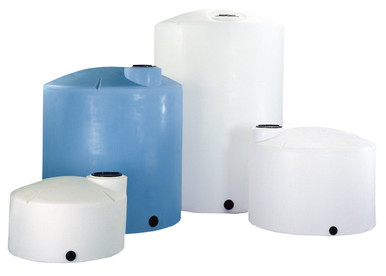
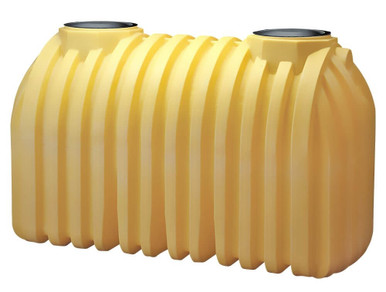
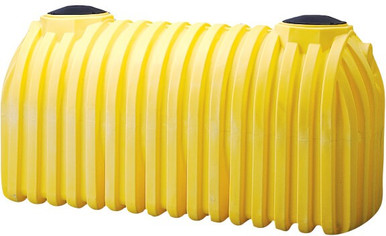
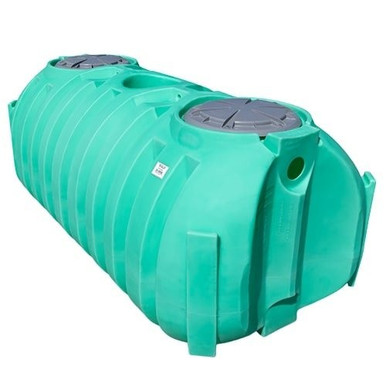
Louisiana (Title 51 Part XIII (Sanitary Code)) sizes septic tanks by bedroom count or design flow, with residential systems typically starting at 1,000 gallons. These IAPMO PS 1–listed polyethylene tanks meet that capacity standard; your county or state permitting office confirms the final size.
Shop all IAPMO PS 1–listed septic tanks →
Meeting the construction standard is not the same as a permit — your county environmental health office issues the permit and makes the final determination. Call us with your permit number and we will confirm the exact tank spec before shipment, with freight quoted to your ZIP.
Chemical Storage & Secondary Containment in Louisiana
Storing fuel, fertilizer, or process chemicals alongside your tank changes the rules. The federal Spill Prevention, Control, and Countermeasure rule (40 CFR Part 112) applies at 1,320 gallons of aggregate aboveground oil storage and requires secondary containment sized to at least 110% of your largest tank. Releases of hazardous substances above their federal reportable quantity (40 CFR 302.4) must be reported to the National Response Center at 1-800-424-8802.
Louisiana layers its own spill reportable quantities and restricted-substance rules on top of that federal floor — confirm the current thresholds with your state environmental agency before specifying a chemical tank. Just as important, the polyethylene resin must be matched to the exact chemical, concentration, and specific gravity you intend to store; a tank rated for water is not automatically rated for acid, bleach, or fertilizer.
Last reviewed: May 2026 · sourced from Louisiana administrative code
Regulations change on a rolling basis — confirm the current rule with your county or state agency before purchasing. Spot something out of date? Email us and we'll fix it.
Nearby states (West South Central) & full index: