
Massachusetts Septic Tank Regulations — 310 CMR 15.000 Title 5
Massachusetts Septic Tank Regulations
Massachusetts's Title 5 septic rules, under 310 CMR 15.000 and overseen by MassDEP, set a minimum tank size of 1,500 gallons, which is notably large. In 2023, amendments were made to reduce nitrogen on Cape Cod. These rules consider the different needs from the Berkshires to the Outer Cape.
The Governing Framework
Massachusetts regulates onsite wastewater under:
- 310 CMR 15.000 — Septic Systems ("Title 5"). The substantive rule covering siting, construction, inspection, upgrade, and expansion of onsite sewage treatment and disposal systems.
- 310 CMR 15.211 — Minimum setback distances.
- MassDEP (Massachusetts Department of Environmental Protection) — state-level administrator.
- Local Boards of Health — handle field permits and inspections under MassDEP oversight.
- Title 5 Setback Areas Map — MassGIS-hosted mapping tool identifying water resources of concern. Useful for site planning but not a substitute for surveyor-precision measurement.
The 1,500-Gallon Minimum — Higher Than Most States
| Parameter | Requirement |
|---|---|
| Minimum tank capacity | 1,500 gallons |
| With garbage disposal | Two-compartment tank required |
Massachusetts requires a minimum tank size of 1,500 gallons, which is higher than the 750–1,000 gallons required in many other states. This is to ensure better treatment and protect groundwater, even if it costs more to install. For small homes, this size is larger than needed, but Massachusetts believes it's worth it for public health.
Setbacks — 310 CMR 15.211
Key Title 5 setback distances include:
- Septic tank setbacks from various features (25 feet is cited as one baseline)
- Soil absorption system setbacks (50 feet baseline, with expanded distances for reservoirs and tributaries)
- 100 feet of horizontal soil passage to prevent hydraulic connection between system effluent and vernal pools
For complete setback information, check 310 CMR 15.211 or contact your local Board of Health. The MassGIS Title 5 Setback Areas Map can help you find nearby protected areas.
Inspection at Property Transfer — Title 5 Landmark
In Massachusetts, a Title 5 system inspection is required when a property is sold. This inspection checks if the system meets current standards, fails, or needs an upgrade. The inspection report is part of the property sale documents and can affect the sale.
- Pass — system meets current code. Sale proceeds without septic-specific conditions.
- Conditional pass — minor issues requiring upgrade within a specified period (typically 2 years).
- Fail — system does not meet code and requires upgrade. Sale typically requires escrow for upgrade cost or completion before closing.
When buying or selling a property in Massachusetts with a septic system, the cost and results of a Title 5 inspection are important for pricing and negotiations. Expect to pay $500–$1,500 for the inspection and possibly $15,000–$50,000+ for upgrades if the system fails.
Permit Process
- Contact your local Board of Health. Every Massachusetts municipality has a BOH handling Title 5 permits.
- Site evaluation. Soil and groundwater assessment by registered soil evaluator or BOH agent.
- System design. By Massachusetts-licensed designer or PE.
- Permit application and BOH review. Local fees typically $300–$800.
- Licensed installer construction. Title 5 licensed system installer.
- Inspection before cover. BOH inspector reviews installation.
- Certificate of compliance. BOH issues after successful completion. Kept with property records.
Regional Considerations
- Cape Cod (Barnstable County): Nitrogen-reduction technology (NRT) requirements under 2023 amendments. Many Cape parcels require alternative systems (I/A technologies, drip dispersal, septic-tank-effluent pumps with filter). Higher system cost ($25,000–$75,000) is normal.
- Martha's Vineyard & Nantucket: Additional local oversight from island-specific health boards. Setbacks from private wells are especially strict.
- Greater Boston: Largely on municipal sewer. Remaining septic on suburban perimeter (MetroWest, North Shore extended communities).
- Western Massachusetts (Berkshires): Rural rolling-hill terrain. Standard systems typical but granite bedrock can complicate absorption-field installation.
- Merrimack Valley and North Shore: Variable glacial soils. Water-table concerns in floodplain parcels.
- South Shore and South Coast: Sandy coastal plain. Nitrogen-reduction requirements may apply in designated watersheds even outside Cape Cod proper.
Frequently Asked Questions
- Why is Massachusetts's minimum so much higher than other states?
- Title 5 sets priorities on groundwater protection and treatment effectiveness. The 1,500-gallon floor provides significant solids-settling margin, reduces pumping frequency, and aligns with long-term system durability. MassDEP accepts the oversizing cost trade-off. Other states prioritize install cost over treatment margin.
- What are "I/A" systems in Massachusetts?
- Innovative/Alternative systems — recirculating sand filters, nitrogen-reducing ATUs, peat biofilters, drip dispersal, and other technology beyond conventional septic + absorption field. Required on Cape Cod and some other watersheds. Cost $25,000-$75,000+ with mandatory operation and maintenance contracts.
- What triggers a Title 5 inspection outside property sale?
- Any major change to the system, discovery of failure (sewage backup, surface breakout), complaint from neighbor or regulator. The inspection protocol is the same regardless of trigger.
- Does my accessory dwelling unit (ADU) trigger Title 5 requirements?
- Yes. Adding an ADU typically increases flow above original-system capacity and requires tank/leaching-field upgrade to match the new design flow. MassDEP has specific Title 5 guidance for ADU compliance — verify before adding the unit.
- Are polyethylene tanks accepted in Massachusetts?
- Yes. Major OEM rotomolded polyethylene tanks meeting IAPMO/NSF listings and Title 5 construction standards are accepted. Two-compartment models are common. Verify your specific model with your BOH.
Source Citations
- MassDEP 310 CMR 15.000 Septic Systems Title 5
- 310 CMR § 15.211 Minimum Setback Distances
- MassDEP Online Map Viewer Title 5 Setback Areas
- MassGIS Title 5 Setback Areas
- MASSTC 2023 Title 5 Regulation Changes
- Title 5 ADU Compliance FAQ (MassDEP PDF)
- Massachusetts BOH Guidebook Sanitary Sewage Disposal (PDF)
Shop Septic Tanks for Massachusetts
OneSource stocks polyethylene septic tanks meeting Massachusetts construction requirements. Match capacity to your design flow per the rules summarized above. Tank + accessories + holding tank options below cover standard and alternative configurations. OneSource drop-ships from the OEM warehouse closest to your install address.
Plastic Septic Tanks
Full polyethylene septic tank catalog. Sizes from 300 to 1,500+ gallons for Massachusetts installations.
Browse Plastic Septic TanksIAPMO Approved Models
NSF/IAPMO listed tanks. Some counties and some installation types require this listing.
Browse IAPMO Approved ModelsSeptic Accessories
Risers, lids, baffles, filters, alarms, pumps, and install hardware.
Browse Septic AccessoriesHolding Tanks
Holding tanks for construction sites, recreational properties, and pump-and-haul installations.
Browse Holding TanksStoring chemicals in your Massachusetts tank?
Massachusetts's OSSF rules don't cover chemical-storage tanks. These are specified by the manufacturer. If you need a tank for chemicals like sulfuric acid or bleach, our Chemical Compatibility Database has detailed specifications.
Agricultural Tank Regulations — MDAR & MassDEP
The Massachusetts Department of Agricultural Resources (MDAR) and the Massachusetts Department of Environmental Protection (MassDEP) oversee agricultural tanks under the Massachusetts General Laws (G.L.) and Code of Massachusetts Regulations (CMR).
- 333 CMR 13.00 — MDAR Pesticide Board rules; applicator licensing, restricted-use pesticide (RUP) recordkeeping, bulk storage and repackaging.
- G.L. c. 132B — Massachusetts Pesticide Control Act (statutory authority).
- 330 CMR 31.00 — Commercial Fertilizer: registration, tonnage reporting, and labeling under MDAR oversight.
- 310 CMR 40.00 — MassDEP Massachusetts Contingency Plan (MCP) under G.L. c. 21E; the waste-site cleanup regulation that governs post-release reporting, assessment, and remediation for any chemical or petroleum release to Massachusetts soils or waters.
Massachusetts agriculture includes cranberry bogs in Plymouth, Bristol, and Barnstable counties, dairy and hay in the Connecticut River Valley, and apple orchards in Worcester and Essex counties. Businesses handling bulk liquid fertilizers and pesticides must have secondary containment at 110% of the largest tank, with spill recovery and response plans. Cape Cod cranberry growers work in Nitrogen Sensitive Areas (NSA) and must follow strict rules to protect Buzzards Bay and other areas.
Oil & Gas Storage — Petroleum UST Path
Massachusetts doesn't have significant oil or gas production, unlike Texas or North Dakota. Petroleum storage is managed through UST/AST and MCP regulations.
- 310 CMR 80.00 — MassDEP UST Systems: design, installation, corrosion protection, spill/overfill prevention, release detection, operator training, closure, financial responsibility.
- 527 CMR 9.00 — Department of Fire Services (DFS) and State Fire Marshal oil-storage rules; NFPA 30 and NFPA 30A adoption for flammable/combustible liquids.
- G.L. c. 21J — Underground Storage Tank Petroleum Product Cleanup Fund (trust-fund reimbursement for eligible corrective-action costs).
- 310 CMR 40.00 MCP — governs release response, site classification (Tier I/II), Licensed Site Professional (LSP) oversight, and closure.
Offshore federal leasing in the Atlantic is managed by BOEM/BSEE and isn't under state control. Residential heating-oil tanks follow 527 CMR 9.00, while commercial petroleum facilities follow 310 CMR 80.00 with DFS plan review.
Title 5 Septic & Nitrogen Sensitive Areas — 310 CMR 15.000
MassDEP manages on-site wastewater under 310 CMR 15.000 (Title 5), which is one of the strictest septic codes in the U.S. Residential design flow is 110 gallons per day per bedroom.
| Bedrooms | Minimum Septic Tank Capacity (310 CMR 15.223) |
|---|---|
| 1–3 BR | 1,500 gallons |
| 4 BR | 2,000 gallons |
| 5 BR | 2,500 gallons |
| 6+ BR | Add 500 gallons per additional bedroom |
A key feature in Massachusetts is the Nitrogen Sensitive Area framework. In areas like Cape Cod and Buzzards Bay, nitrogen from septic systems harms estuaries. Title 5 requires enhanced nitrogen-reducing technology in these areas, with MassDEP approval. Inspections are required at property transfers, often leading to upgrades like new tanks and systems. Local boards of health enforce these rules under MassDEP oversight, issuing permits and maintaining records.
Chemical Storage Secondary Containment & Spill Reporting
Federal SPCC (40 CFR 112) applies at 1,320 gallons aggregate aboveground oil. Massachusetts layers on:
- 310 CMR 40.00 MCP — 2-hour and 72-hour notification windows to MassDEP for reportable releases, with LSP-led assessment and Tier I/II classification.
- G.L. c. 21E — statutory liability and cleanup authority; strict, joint-and-several, and retroactive.
- 527 CMR 1.00 — Massachusetts Comprehensive Fire Safety Code incorporating NFPA 1 / 30 / 30A for flammable and combustible liquid storage.
- MassDEP Emergency Response — 24-hour spill notification hotline; NRC at 1-800-424-8802 for federal RQ releases.
Massachusetts is a strict-liability cleanup state, meaning property owners and operators are responsible for cleaning up releases. LSP engagement is required for MCP site closure.
Permit Pathways at a Glance
- Residential Title 5: Local Board of Health under 310 CMR 15.000, MassDEP oversight.
- I/A system in NSA: MassDEP approval + LSP + local Board of Health permit.
- Fertilizer registration: MDAR under 330 CMR 31.00.
- Pesticide applicator license: MDAR Pesticide Board under 333 CMR 13.00.
- Petroleum UST: MassDEP under 310 CMR 80.00 with c. 21J fund participation.
- Oil/flammable storage (fire code): Department of Fire Services / local fire under 527 CMR 9.00.
- SPCC > 1,320 gal oil aggregate: Federal SPCC plan; MassDEP spill reporting.
- Wetlands setback: Local Conservation Commission under G.L. c. 131 § 40.
Current fees change; verify with MassDEP, MDAR, or DFS before budgeting.
More Massachusetts FAQs
- What is a Licensed Site Professional (LSP) and when do I need one?
- Under G.L. c. 21A § 19 and 309 CMR, an LSP is a state-licensed environmental professional who oversees assessment and cleanup of MCP-reportable releases. Any release triggering 310 CMR 40.00 notification — petroleum spills above reportable quantities, chemical releases to soils or groundwater, historic-fill disturbance above thresholds — requires LSP engagement through Tier Classification and Response Action Outcome. Tank-owner insurance often requires LSP selection from a pre-approved list.
- Does the property-transfer Title 5 inspection apply to commercial sales?
- Title 5 inspection-at-transfer requirements focus on residential systems; commercial and industrial septic systems face different inspection regimes under the local Board of Health and MassDEP. For mixed-use parcels the residential-use component triggers the standard Title 5 inspection window (typically within 2 years of transfer). Confirm current rule with the local Board of Health before scheduling a closing.
- What is the Nitrogen Sensitive Area designation and where does it apply?
- NSA designation is set by MassDEP for watersheds where nitrogen loading from septic systems is a dominant water-quality stressor. Cape Cod (Barnstable County), Buzzards Bay embayments (parts of Bristol and Plymouth counties), and selected South Coast watersheds are the primary NSA areas; MassDEP publishes the current NSA list. Within NSAs, nitrogen-reducing I/A technology is required for new construction and many upgrades; conventional systems may be denied.
- Does Massachusetts have a state AST registration rule?
- Massachusetts does not run a standalone state AST registration program comparable to Texas 30 TAC 334 Subch. I. Petroleum AST operators follow federal SPCC at 1,320-gallon threshold, 527 CMR 9.00 fire-code requirements, and 310 CMR 40.00 MCP release response. Chemical AST installations face 527 CMR 1.00 (NFPA 30) and MassDEP siting and containment expectations under 310 CMR 30.00 hazardous-waste and 310 CMR 40.00 MCP frameworks.
- Who handles cranberry-bog pesticide and fertilizer regulation?
- MDAR's Pesticide Board oversees applicator licensing and bulk pesticide storage under 333 CMR 13.00; fertilizer is under 330 CMR 31.00. Cranberry Station at UMass (East Wareham) publishes best management practices coordinated with MDAR and MassDEP, especially for NSA-watershed bogs where nutrient loading drives watershed-permit obligations.
- How fast must I report a petroleum release in Massachusetts?
- Under 310 CMR 40.0300 a reportable release must be called to MassDEP within 2 hours for higher-tier categories and within 72 hours for lower-tier categories, with the specific threshold depending on substance, volume, and receptor sensitivity. Federal-RQ releases also go to the NRC at 1-800-424-8802. Over-reporting is preferred to missing a deadline; 21E liability is strict.
Septic Tanks That Meet Massachusetts Code
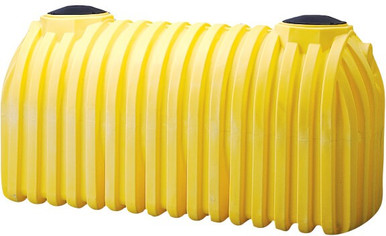
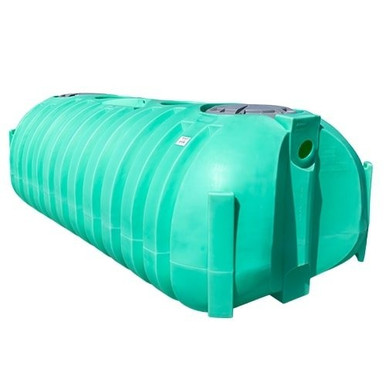
Massachusetts Title 5 (310 CMR 15.000) sets one of the nation's highest minimums — 1,500 gallons for a typical home. The IAPMO PS 1–listed tanks below meet that 1,500-gallon floor.
Shop all IAPMO PS 1–listed septic tanks →
Meeting the construction standard is not the same as a permit — your county environmental health office issues the permit and makes the final determination. Call us with your permit number and we will confirm the exact tank spec before shipment, with freight quoted to your ZIP.
Chemical Storage & Secondary Containment in Massachusetts
Storing fuel, fertilizer, or process chemicals alongside your tank changes the rules. The federal Spill Prevention, Control, and Countermeasure rule (40 CFR Part 112) applies at 1,320 gallons of aggregate aboveground oil storage and requires secondary containment sized to at least 110% of your largest tank. Releases of hazardous substances above their federal reportable quantity (40 CFR 302.4) must be reported to the National Response Center at 1-800-424-8802.
Massachusetts layers its own spill reportable quantities and restricted-substance rules on top of that federal floor — confirm the current thresholds with your state environmental agency before specifying a chemical tank. Just as important, the polyethylene resin must be matched to the exact chemical, concentration, and specific gravity you intend to store; a tank rated for water is not automatically rated for acid, bleach, or fertilizer.
Last reviewed: May 2026 · sourced from Massachusetts administrative code
Regulations change on a rolling basis — confirm the current rule with your county or state agency before purchasing. Spot something out of date? Email us and we'll fix it.
Nearby states (New England) & full index: