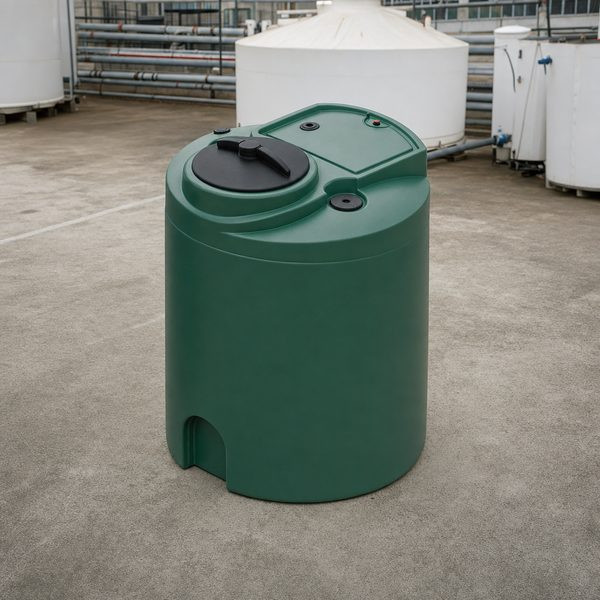
Freeze Protection for Polyethylene Tanks: Winter Guide
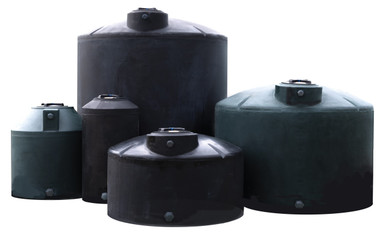
Water expands 9% when it freezes. In a polyethylene tank, that expansion generates enormous force — enough to split the tank wall, blow out fittings, and crack plumbing connections. Freeze protection is non-negotiable for any tank that holds water-based liquids in climates where temperatures drop below 32°F. This guide covers prevention strategies, damage repair, and system design for cold climates.
Understanding the technical fundamentals behind polyethylene tank construction, ratings, and specifications helps you make better purchasing decisions and avoid costly mistakes. This guide explains what the numbers actually mean and how they affect real-world performance.
How Freezing Damages Tanks
The primary danger is not the tank wall itself — polyethylene remains flexible well below 0°F. The danger is the expansion force of freezing water. Ice forming in the main tank body exerts outward pressure on the walls. Ice in fittings and plumbing exerts pressure that has nowhere to go except through the weakest point — usually a threaded connection, a valve body, or a thin section of pipe. The most common freeze damage is a cracked fitting or a split plumbing line, not a cracked tank.
Prevention Strategies
Keep the water moving — flowing water resists freezing. A small recirculation pump on a timer provides enough movement to prevent ice formation in moderate cold. Insulate the tank — a simple insulation wrap or blanket reduces heat loss dramatically. Focus on the fittings and plumbing first — these are the most vulnerable points. Install tank heaters — submersible tank heaters or heat tape on plumbing maintain above-freezing temperatures through extended cold periods. Drain the system — if the tank will not be used in winter, drain it completely including all plumbing, fittings, and low points.
Insulation Options
Polyethylene tank insulation options include: foam board (rigid panels cut to fit around the tank), spray foam (applied directly to the tank exterior), insulation blankets (removable wraps that allow access for inspection), and heated enclosures (insulated buildings or sheds that house the tank). For plumbing, use self-regulating heat tape with foam pipe insulation over it. Standard heat tape without a thermostat can overheat and damage polyethylene fittings.
Freeze Damage Assessment
After a freeze event, inspect before refilling. Look for cracks or splits in the tank wall (run your hand along the surface to feel for raised lines that indicate internal cracking). Check every fitting by hand-tightening and looking for thread damage. Inspect all plumbing for cracks, especially at elbows and tee connections. Fill the tank slowly and watch for leaks at every connection before bringing the system up to full capacity.
Related Products

Key Takeaways
- Always verify your liquid's specific gravity before selecting a tank — exceeding the rated SG is the most common cause of premature tank failure
- Polyethylene tanks are chemically resistant to most substances but NOT all — always check the compatibility chart for your specific chemical
- Proper installation is more important than the tank itself — a premium tank on a bad foundation will fail before a basic tank on a good foundation
- UV stabilizers extend life but don't eliminate UV damage — shade structures are cheap insurance for tanks in full-sun locations
- Temperature matters — polyethylene softens above 120°F and becomes brittle below -40°F. Plan for your climate extremes.
Questions about tank specifications? Call (866) 418-1777 — we speak fluent tank and can translate technical specs into practical guidance for your application.
Understanding Polyethylene Tank Construction
Every polyethylene tank in our catalog is manufactured through rotational molding — a process that creates a seamless, one-piece structure from powdered HDPE resin. The mold rotates on two axes simultaneously while heated, distributing molten resin evenly across all interior surfaces. The result is a tank with no seams, no weld lines, and no potential leak points. This seamless construction is the primary advantage of rotomolded tanks over welded or fabricated alternatives — joints are where tanks fail, and rotomolded tanks have no joints.
The resin itself is not generic plastic. It is a specially formulated compound that includes UV stabilizers (to prevent sun degradation), antioxidants (to prevent thermal degradation during processing and service), and pigments. For potable water applications, the resin meets FDA 21 CFR 177.1520 requirements for food-contact materials. These additives are compounded directly into the resin — not applied as surface coatings — which means the protection extends through the full wall thickness and lasts the life of the tank.
Why Buy from OneSource Plastics?
OneSource Plastics is not just another tank reseller. We are a specialized industrial tank dealer with deep product knowledge, competitive pricing from direct manufacturer relationships, and a commitment to helping you select the right tank for your specific application. Our team handles tank inquiries every day — we know the product lines, the specifications, the common pitfalls, and the solutions.
When you call us, you talk to someone who knows the difference between a 1.5 SG and a 1.9 SG tank, who can explain why a cone bottom is worth the extra cost for your mixing application, and who can tell you exactly what foundation your 2,500-gallon tank needs on your specific soil type. We don't just process orders — we solve liquid storage problems.
Every tank we sell ships with the full manufacturer warranty. We handle freight logistics to all 50 states, and we can coordinate delivery equipment for sites with challenging access. If something goes wrong — a shipping damage claim, a warranty issue, a specification question — we handle it directly. One call to (866) 418-1777 connects you to a real person who can actually help.
Shipping and Delivery Information
We ship polyethylene tanks to all 50 states via the most cost-effective method for each order size. Small tanks (under 150 lbs) ship via UPS or FedEx ground — typically 3-7 business days. Medium tanks ship via LTL freight on pallets — schedule a delivery appointment and request liftgate service if you don't have a loading dock. Large tanks ship via flatbed — you'll need a forklift or equipment for unloading.
Freight cost for polyethylene tanks is driven by size (cubic feet), not weight. A 1,000-gallon tank is physically large — over 5 feet in diameter and 6 feet tall — and takes significant truck space even though it weighs only 100-200 pounds empty. We quote freight individually for each order because rates vary significantly by destination, carrier, and accessorial services like liftgate and residential delivery.
For the most accurate freight quote, call us with your zip code and the products you're considering. We ship daily and know which carriers provide the best rates and service to each region of the country.
Recommended Tanks for This Guide
Live pricing, updated automatically · estimate freight to your ZIP.