
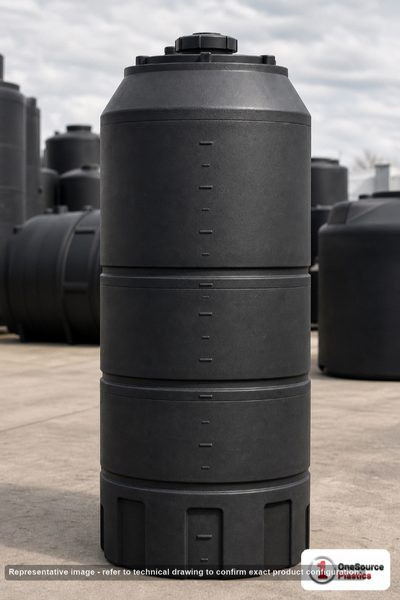
Spring Tank Startup Checklist: Getting Your System Ready After Winter
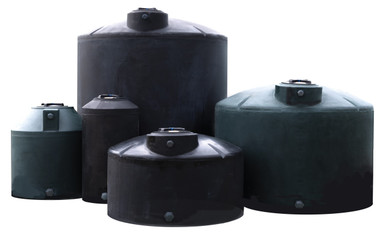
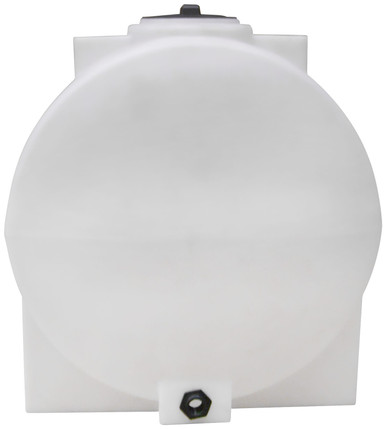
Spring Tank Startup: Complete Checklist
Winter is over. Before you fill your tanks and start the season, a thorough inspection and startup procedure prevents leaks, contamination, and equipment failures that could set your operation back weeks. This checklist covers everything from foundation inspection to plumbing pressure testing.
Step 1: Visual Inspection
Walk around every tank and inspect the full exterior surface. Look for:
- Bulging or deformation: Indicates possible freeze damage or foundation settling during winter. A bulge that wasn't there in the fall means something shifted.
- Cracks or stress marks: Run your hand along the lower third of the tank — this is where freeze damage and foundation problems show up first. Hairline cracks may not be visible but can be felt as raised lines.
- Discoloration: New staining or color changes can indicate chemical residue issues or UV degradation that progressed over winter.
- Fitting condition: Check every threaded connection for visible damage, corrosion, or weeping. Winter freeze-thaw cycles can loosen connections that were tight in the fall.
Step 2: Foundation Check
Winter freeze-thaw cycles are hard on foundations. Check your tank pad for:
- Level: Place a 4-foot level across the pad in both directions. Any settlement greater than 1/4 inch needs correction before filling.
- Erosion: Look for washout channels around the pad edges. Spring snowmelt and rain can undermine pad edges rapidly.
- Settling: Compare the pad height to surrounding grade. If the pad has settled, water will pool around the tank base — a problem that accelerates further settling.
- Debris: Remove leaves, branches, and debris that accumulated on and around the pad during winter. Organic debris traps moisture and promotes erosion.
Step 3: Plumbing Pressure Test
Before filling the tank, pressure-test all plumbing connections. Close the tank drain valve, fill the tank to 10% capacity, and watch every connection for 15 minutes. Small leaks at low pressure become major leaks at full pressure. Fix every drip before continuing to fill. Replace any fittings that show thread damage — a cross-threaded or stripped fitting is a leak waiting to happen at full pressure.
Step 4: Interior Inspection and Cleaning
Open the lid and inspect the tank interior if accessible. Look for residue buildup, sediment, algae growth (water tanks), or chemical crystallization (chemical tanks). For water tanks, drain any stagnant winter water, flush with a mild bleach solution (1/4 cup unscented bleach per 15 gallons), let sit for 2 hours, then drain and flush until the chlorine smell is gone. For chemical tanks, rinse with clean water and inspect for residue before adding fresh chemical.
Step 5: Vent Check
Inspect every vent opening. Winter debris, spider webs, and insect nests commonly block vents during the off-season. A blocked vent is the most common cause of tank deformation — the tank cannot breathe as liquid flows in and out, creating pressure or vacuum conditions that damage the walls. Clean all vent screens and verify free airflow.
Step 6: Accessory and Equipment Check
Test all associated equipment before the season starts:
- Pumps: Verify pump operation and check seals and gaskets for winter degradation.
- Float valves: Confirm automatic fill systems cycle correctly.
- Level indicators: Verify gauges and sensors read correctly at known levels.
- Transfer hoses: Inspect for cracks, kinks, and fitting damage. Replace any hose showing weather checking or deterioration.
Step 7: Record Keeping
Document your spring inspection findings. Note any repairs made, parts replaced, and conditions observed. This record serves two purposes: it creates a maintenance history that helps you track tank condition over time, and it documents your due diligence for warranty claims if a problem develops during the season.
Common Spring Startup Mistakes
- Filling the tank without checking the foundation — freeze-thaw cycles can shift foundations enough to cause problems at full load.
- Skipping the plumbing pressure test — a fitting that survived winter may still be damaged enough to fail under full operating pressure.
- Ignoring vent blockages — insect nests and debris accumulate over winter, and a blocked vent can deform your tank in a single fill cycle.
- Adding fresh chemical to a tank with old residue — chemical degradation products can be incompatible with fresh chemical, causing reactions or contamination.
- Reusing last year's hoses without inspection — UV and weather damage accumulates, and a hose failure during chemical transfer creates a spill event.
Need replacement parts, fittings, or a new tank for the season? Call (866) 418-1777 and we'll have you ready before planting starts.
Understanding Polyethylene Tank Construction
Every polyethylene tank in our catalog is manufactured through rotational molding — a process that creates a seamless, one-piece structure from powdered HDPE resin. The mold rotates on two axes simultaneously while heated, distributing molten resin evenly across all interior surfaces. The result is a tank with no seams, no weld lines, and no potential leak points. This seamless construction is the primary advantage of rotomolded tanks over welded or fabricated alternatives — joints are where tanks fail, and rotomolded tanks have no joints.
The resin itself is not generic plastic. It is a specially formulated compound that includes UV stabilizers (to prevent sun degradation), antioxidants (to prevent thermal degradation during processing and service), and pigments. For potable water applications, the resin meets FDA 21 CFR 177.1520 requirements for food-contact materials. These additives are compounded directly into the resin — not applied as surface coatings — which means the protection extends through the full wall thickness and lasts the life of the tank.
Why Buy from OneSource Plastics?
OneSource Plastics is not just another tank reseller. We are a specialized industrial tank dealer with deep product knowledge, competitive pricing from direct manufacturer relationships, and a commitment to helping you select the right tank for your specific application. Our team handles tank inquiries every day — we know the product lines, the specifications, the common pitfalls, and the solutions.
When you call us, you talk to someone who knows the difference between a 1.5 SG and a 1.9 SG tank, who can explain why a cone bottom is worth the extra cost for your mixing application, and who can tell you exactly what foundation your 2,500-gallon tank needs on your specific soil type. We don't just process orders — we solve liquid storage problems.
Every tank we sell ships with the full manufacturer warranty. We handle freight logistics to all 50 states, and we can coordinate delivery equipment for sites with challenging access. If something goes wrong — a shipping damage claim, a warranty issue, a specification question — we handle it directly. One call to (866) 418-1777 connects you to a real person who can actually help.
Shop Tanks & Accessories

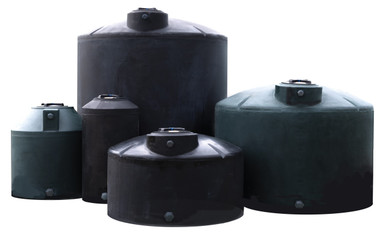
Recommended Tanks for This Guide
Live pricing, updated automatically · estimate freight to your ZIP.
Reference: OneSource Plastics field note OSP-FN-4EDE8-3378B. Original technical content; reproduction without permission is prohibited.