OneSource Plastics

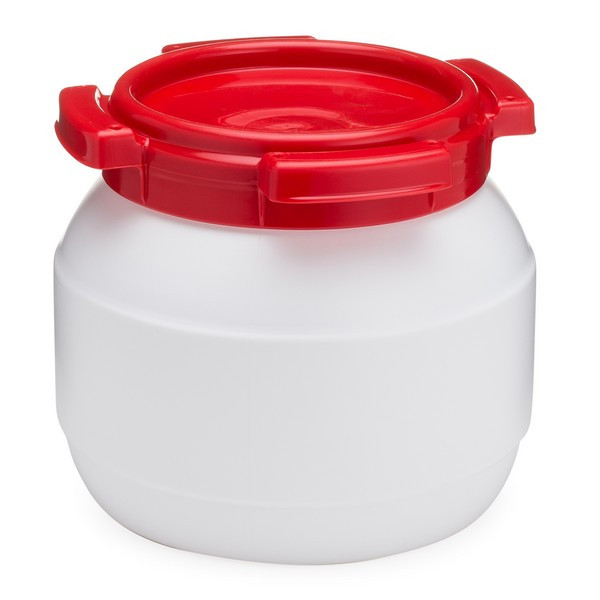
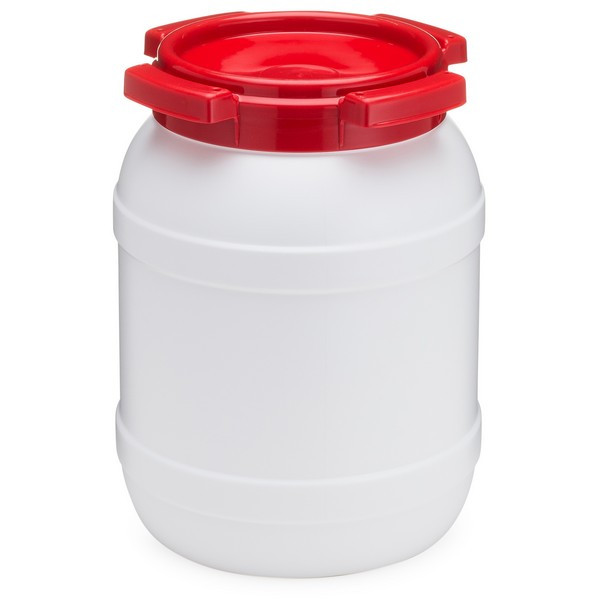
CurTec 1.6 gal White HDPE Plastic UN Rated Keg - 3323B03

$43.21
Write a Review
Adding to cart… The item has been added
SKU:
3323B03
Weight:
1.00 LBS

It is 3:18 p.m. inside a 9,400 sq ft contract-filler in a Joliet industrial park, the second shift is staging the back half of a 280-unit fill of a Packing Group II specialty cleaner, and the QA lead is walking the dock with a tablet open to a customer PO that names the exact closure system, gasket material, and tamper-evidence mechanism the receiver's regulatory affairs group already signed off on. This fill ships clean on the 5:40 p.m. LTL pickup — and not on tomorrow's truck — because the keg on the pallet is a UN-rated rigid HDPE container with a screw-thread closure, an integrated rubber gasket, in-mold tamper-evident provisions, and a stack geometry that holds four-high through the carrier's induction belt. That is what the 3323B03 1.6 gallon HDPE keg is built to do.

What the 3323B03 Actually Is

A 1.6 gallon (6 liter) rigid high-density polyethylene keg manufactured to UN performance-oriented packaging standards. Compact bulk-handling format intended for hazardous and regulated liquids that ship inside a closed-head rigid container with a screw closure. Body wall is monolithic HDPE — no liner, no welded seam at the sidewall. Red screw cap is supplied with the keg; the cap has integrated lift-and-torque handles for hand application and a rubber gasket inside the cap face that seats against the keg neck rim to give an air and water-vapor tight seal. In-mold security holes around the neck flange accept a separate tamper-evident strip (sold separately, MOQ 1,000 pieces) for shipments that need a visible first-open indicator at the receiving dock. Listed at $43.21 per keg, MOQ 1 keg, freight quoted separately to your delivery ZIP via the freight estimator at /freight-cost-estimator/ or by phone at 866-418-1777. The resin contains no intentionally added bisphenol A.

Why the UN Rating Drives the Buying Decision

Under 49 CFR 173, any hazardous material in U.S. commerce ships in a packaging that matches the hazard class, packing group, and physical form of the contents. For liquids in a rigid plastic keg, the construction standard is 49 CFR 178.504 (plastic jerricans and kegs) and the performance qualification is 49 CFR 178.505 (drop, leakproofness, internal pressure, and stack tests run on the empty packaging by an independent test lab). The 3323B03 is built to that spec. Practical effect for a contract filler: the keg passes a documented drop from 1.2 m onto a hard surface without rupture, passes leakproofness pressure-hold under air, and passes a stack test simulating multiple full kegs above it without closure-compromising distortion. The receiver's compliance team verifies the sidewall markings against their material safety paperwork and approves receipt without a hold-for-inspection ticket.

Packing Group and Specific-Gravity Fit

UN-rated rigid HDPE kegs are typically certified to Packing Group II (medium danger) or Packing Group III (minor danger) liquid contents. Packing Group I (high danger) is rare in this geometry. The keg's certified rating depends on the specific gravity ceiling the manufacturer qualified the unit to during 178.505 testing. Practical liquid candidates that fit Packing Group II / III rigid plastic in this 1.6 gallon size: industrial-strength acidic and alkaline cleaning concentrates, certain solvents and solvent blends below their flash-point handling thresholds, regulated cosmetic and personal-care intermediates, pharmaceutical excipient solutions, lab-scale reagent shipments inside an outer fiberboard or wood overpack. For any specific UN number, hazard class, and packing group combination, confirm the markings stamped on the keg sidewall against your shipper's declaration before filling. The container marking is the legal document.

Closure Protocol — the Detail That Causes Most Returns

A UN-rated keg performs to spec only when the closure is applied to manufacturer-specified torque with the gasket seated cleanly. The integrated handles on the red screw cap give a contract filler two-point hand torque without a separate strap wrench. QA protocol: wipe the neck rim with a lint-free cloth before capping (residue compresses the gasket asymmetrically), seat the cap by hand until thread engagement is felt, apply final torque using the integrated handles, and inspect the cap-to-rim joint at four points 90 degrees apart to verify the gasket lip is not rolled out of seat. A miscapped UN keg passes leakproofness at the dock and fails in transit when the trailer rocks — that is the failure mode the gasket and handle design are built to prevent.

Keg vs Drum vs Pail for 1-2 Gallon Bulk

For a 1-2 gallon regulated liquid, the three rigid-plastic candidates are a small UN drum, a UN pail, or a UN keg. The keg wins on three points: lower headspace ratio than a pail (less slosh and less foaming on agitation-sensitive chemistries), threaded screw closure rather than a snap-on lid with a separate clamp ring (no clamp tool, faster fill-line cycle), and a stable-stack base + lid that holds a four-high pallet inside standard LTL trailer dimensions. Pails win on wide-mouth decant; drums win on scale (5-gallon and up). For a 1.6 gallon fill that ships full and decants into a downstream tote at the receiver, the keg is the geometry the freight network handles cleanest.

Tamper-Evident Strip Workflow

The in-mold security holes around the neck flange are the integration point for an optional tamper-evident strip. The strip is a separately-ordered cabletie-style or perforated-loop seal that threads through the in-mold holes and locks around the cap, breaking when the cap is rotated for first open. MOQ on the strips is 1,000 pieces, ordered alongside the kegs or at any time after. For a contract-filler operating under cGMP or 21 CFR 211 quality requirements, the tamper-evident strip is the documented first-open indicator inside the manufacturer's batch records. The strip is not required for the keg's UN certification — that is a separate compliance layer for finished-goods integrity.

Freight Class and Order Logic

Empty kegs ship at NMFC item 156600 (containers, plastic, NOI) — typical class 175-200 depending on density. Full hazmat shipments classify by the contents under 49 CFR 172.101 and require shipper's declaration, proper shipping name, UN number, hazard class, packing group, and ERG response information on the outer pack or overpack. The MOQ of 1 keg lets a contract filler qualify the geometry on a 12-24 unit pilot fill before committing to a multi-pallet PO; the standard reorder pattern is a full LTL pallet (approximately 240 units, four-high stable-stack on 48x40) or a double-stack for high-velocity programs. Call 866-418-1777 to confirm warehouse inventory, freight class to your delivery ZIP, lead time on the matching tamper-evident strip MOQ, and pallet-configuration pricing for repeat fills.

FAQ

What does UN-rated mean on the 3323B03 keg?

It means the empty packaging has been performance-tested by an independent lab under 49 CFR 178.505 — drop, leakproofness, internal pressure, and stack tests — and built to the construction standard for plastic jerricans and kegs at 49 CFR 178.504. The keg sidewall is stamped with the UN packaging code that identifies the container type, packing-group letter, specific-gravity ceiling, hydrostatic test pressure, year of manufacture, and country of certification. Verify the literal marking on the keg sidewall against your shipper's declaration before filling — the stamped marking is the legal document.

What packing group does this keg fit?

Rigid HDPE kegs in this geometry are typically certified to Packing Group II (medium danger) or Packing Group III (minor danger) liquids under 49 CFR 173. Packing Group I (high danger) is rare in this format. The specific packing-group letter (X for Packing Group I, Y for II, Z for III) is stamped on the keg sidewall as part of the UN marking. Confirm the literal letter on your kegs matches your hazard-class paperwork before filling.

Should I ship in a 1.6 gallon keg or a 1-gallon jug or a 5-gallon pail?

Keg geometry beats jug or pail when the contents are regulated hazmat and the receiver decants into a downstream tote or process tank. The threaded screw closure on the keg has lower failure rates in LTL transit than a snap-on pail lid with a separate gasket ring, the stable-stack base/lid lets a four-high pallet ride inside a standard trailer, and the lower headspace ratio reduces slosh on agitation-sensitive chemistries. Jugs are better for retail-shelf dispensing; pails are better for wide-mouth decant of viscous product. For 1-2 gallon regulated liquids that ship full and arrive full, the UN keg is the standard.

How do I apply the closure correctly?

Clean the neck rim with a lint-free wipe before capping (residue compresses the gasket asymmetrically). Seat the cap by hand until thread engagement is felt. Apply final torque using the cap's integrated lift-and-torque handles. Inspect the cap-to-rim joint at four points 90 degrees apart to verify the rubber gasket lip is not rolled out of seat. A miscapped UN keg passes leakproofness at the dock and fails in transit when the trailer rocks — that is the failure mode the gasket and handle design are built to prevent. For cGMP fills, document the torque step in your batch record.

How does the tamper-evident strip work?

The in-mold security holes around the keg neck flange are the integration point for an optional tamper-evident strip — a separately-ordered cabletie-style or perforated-loop seal that threads through the holes and locks around the cap, breaking when the cap is rotated for first open. MOQ on the strips is 1,000 pieces, ordered alongside the kegs or at any time after. The strip is not required for the keg's UN certification — it is a separate compliance layer for finished-goods integrity inside cGMP or 21 CFR 211 quality systems.

How is freight class determined for full hazmat shipments?

Empty kegs ship at NMFC 156600 (containers, plastic, NOI) — typical class 175-200 depending on density. Full hazmat shipments classify by the contents under 49 CFR 172.101 and require shipper's declaration, proper shipping name, UN number, hazard class, packing group, and ERG response information on the outside of the outer pack or overpack. Pallet rate, residential delivery surcharge, lift-gate, and any hazmat surcharge are quoted at the same time as the line-haul rate. Call 866-418-1777 to confirm class on your specific contents and pallet configuration.

What is the case-pack and pallet quantity?

Minimum order is 1 keg. The standard full-pallet configuration for the 3323B03 is approximately 240 units (four-high stable-stack on a standard 48x40 pallet) — confirm exact pallet count for your specific freight optimization on order. Double-stacked freight configurations run approximately 480 units per shipping unit for high-velocity programs. Call 866-418-1777 for current warehouse inventory, freight class to your delivery ZIP, and full-pallet pricing.

Sources cited: 49 CFR 173 (hazardous materials general packaging requirements), 49 CFR 178.504 (standards for plastic jerricans and kegs), 49 CFR 178.505 (UN performance-oriented packaging testing), 49 CFR 172.101 (hazardous materials table), NMFC item 156600 (plastic containers freight classification), 21 CFR 211 (cGMP for finished pharmaceuticals — tamper-evident context), OneSource Plastics 3323B03 technical specification

Adding to cart… The item has been added