
Biomass & Bioprocessing
Anaerobic Digesters, Bio-Reactors & Renewable-Energy Fermentation
Anaerobic digesters, biogas-collection systems, specialty-protein bio-reactors, cellulosic-ethanol fermenters, and renewable-chemical fermentation vessels — for agricultural biomass, municipal waste, renewable fuels, and specialty biotechnology manufacturers.
About Biomass & Bioprocessing
Biomass and bioprocessing has expanded well beyond legacy corn-ethanol plants into a diverse category of fermentation and digestion operations. Anaerobic digestion converts dairy-farm manure, municipal food waste, wastewater-treatment sludge, and agricultural residues into biogas (CH4 + CO2) for on-site heat, electricity, or renewable-natural-gas (RNG) pipeline injection. Digesters operate at mesophilic (95–100°F) or thermophilic (125–135°F) temperature regimes; the vessels are gas-tight and often concrete-walled with steel-tank biogas headspace. Agricultural biomass fermentation converts cellulosic feedstock — corn stover, switchgrass, wood chips — to ethanol, butanol, or bio-based chemicals through enzymatic hydrolysis followed by fermentation.
Bio-reactor fermentation is the specialty-biotechnology end of the category. Companies producing specialty proteins (alternative dairy, egg replacement, specialty amino acids), functional ingredients (probiotics, postbiotics, nutraceuticals), specialty chemicals (bio-based adipic acid, 1,3-propanediol, succinic acid), and biopharmaceuticals all depend on sterile bio-reactor construction. These vessels require precise pH, dissolved-oxygen, and temperature control; sterile-connection fittings; sterilize-in-place (SIP) capability; and validated single-use or multi-use configurations. Scale ranges from 5-liter R&D vessels through 10,000-liter production fermenters.
Downstream equipment in the same facility typically comes from the same fabrication shop: biomass feed-and-conditioning tanks, biogas cleanup skids (H2S scrubber, CO2 membrane or amine-based separation, moisture removal), digestate storage and land-application tanks, fermenter harvest tanks, and product-recovery distillation equipment. For RNG projects, upgrading raw biogas to pipeline-quality methane requires additional membrane separation or amine absorption unit operations that integrate with the digester as a balance-of-plant package.
What We Fabricate
Anaerobic Digesters
Mesophilic or thermophilic anaerobic digestion tanks for dairy, municipal, agricultural, and industrial waste streams.
Plug-Flow Digesters
Solids-handling horizontal digesters for fibrous-feedstock agricultural digestion.
Mixed-Flow Digesters
Agitated batch and semi-batch digestion for food-waste and high-solids substrate.
Biogas Collection & Storage
Gas-tight headspace, double-membrane gasholder, and rigid-steel biogas storage integration.
Biogas Cleanup Systems
H2S scrubbers, moisture removal, CO2 membrane or amine-based upgrading to pipeline RNG.
Cellulosic Ethanol Fermenters
High-solids fermentation vessels for cellulosic-biomass ethanol production.
Specialty Protein Bio-Reactors
Sterile, SIP-capable fermenters for alternative-protein and specialty-food production.
Bio-Pharmaceutical Fermenters
cGMP-compliant fermenters with validated construction and documentation packages.
Feedstock Slurry Tanks
Pre-digester biomass conditioning and dewatering vessels.
Digestate Storage Tanks
Post-digestion effluent storage for land-application and further processing.
Gas-Scrubber Towers
H2S removal towers and acid-gas scrubbers for biogas conditioning.
Nutrient Addition Skids
Controlled dosing of nitrogen, phosphorus, and micronutrients into fermentation trains.
How a Custom Project Works
- Requirements capture. Volume, materials of construction, service chemistry, operating temperature and pressure, footprint, utility connections, finish, and any code or certification requirements. We work from your specification or draft one against your process.
- Engineering and drawings. A general-arrangement drawing, bill of materials, and weld map — reviewed and signed off before any material is cut.
- Material procurement. Plate, pipe, fittings, and elastomers ordered to the approved bill of materials, with material certifications captured where the service demands traceability.
- Fabrication. Shells formed and welded, heads and ports installed per drawing, sanitary work TIG-welded and ground flush on product-contact surfaces.
- Inspection and testing. Weld examination, pressure or leak testing as applicable, surface-finish verification, and passivation to ASTM A967 on stainless.
- Documentation and shipment. Material certifications, weld and inspection records, and test certificates compiled for handoff. Shipment with blocking and bracing; freight quoted separately to your ZIP.
Engineering & Design Guides
In-depth, vendor-neutral guides written by our engineering team to help you scope the right build — the equipment, the materials, and the trade-offs.
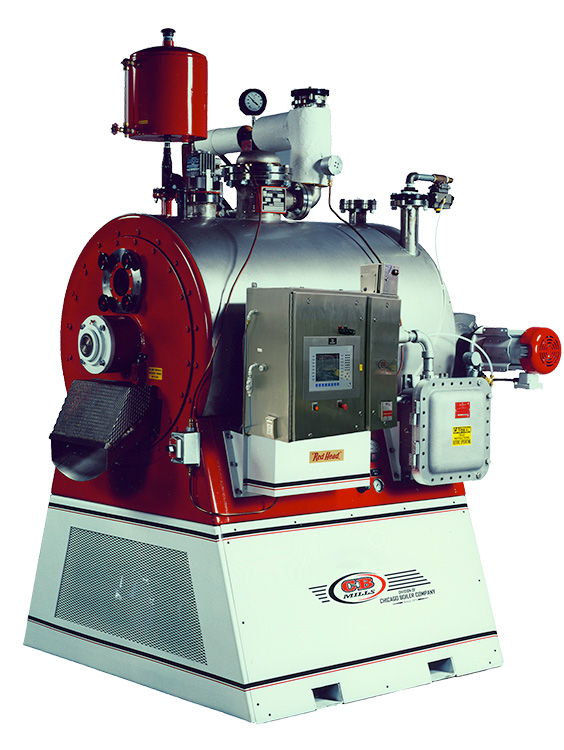
Anaerobic Digesters
How anaerobic digesters convert manure, food waste, and biosolids to biogas: the four-stage process, temperature regimes, retention time, and mixing.
Read the guide →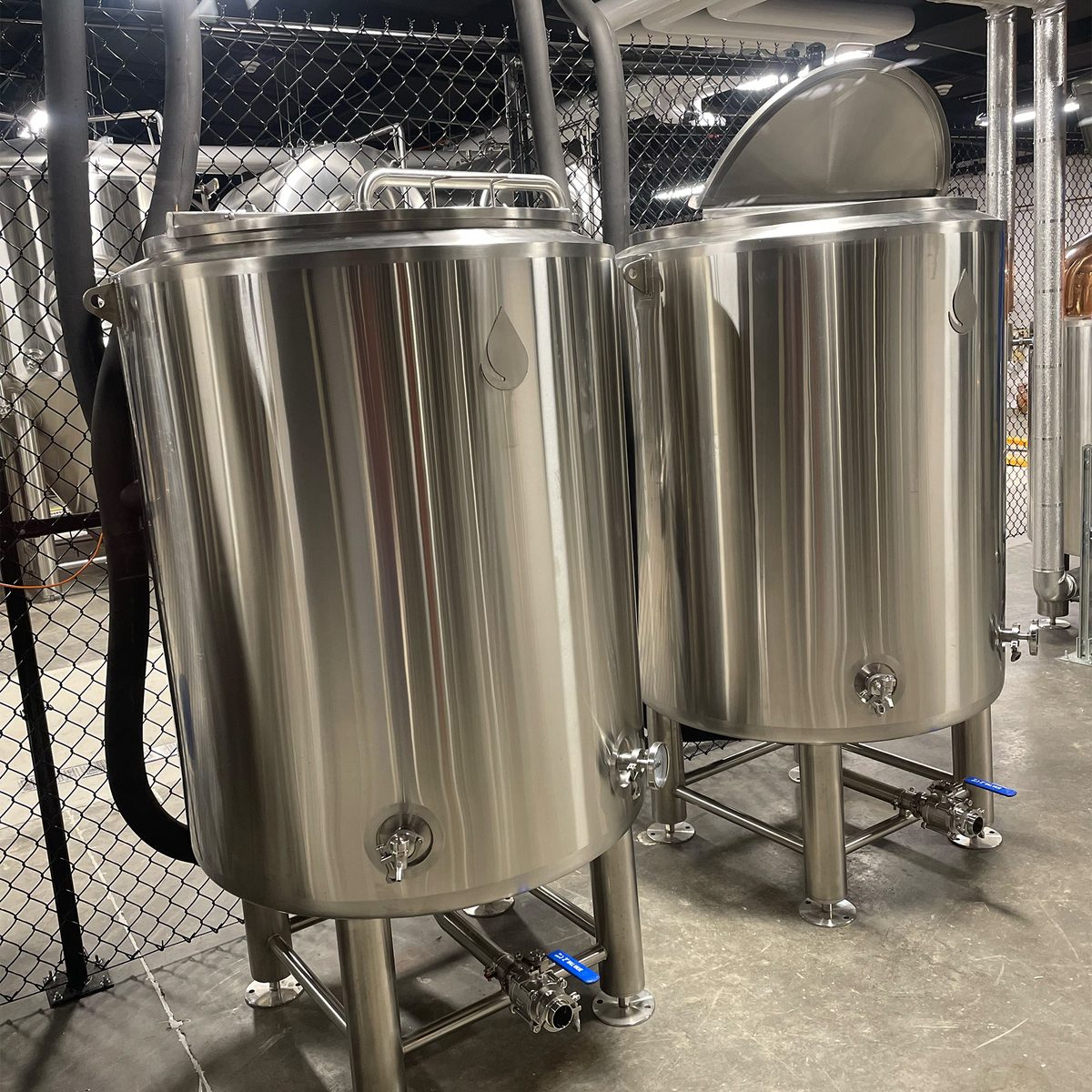
Bioreactors & Fermenters
Industrial bioreactors and fermenters explained: aeration and sparging, agitation, sterility, pH and temperature control, and scale-up.
Read the guide →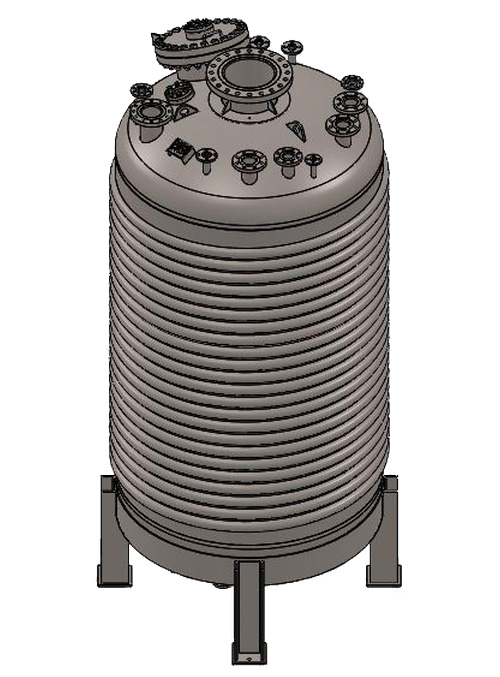
Biogas Collection Systems
How biogas is collected, stored, and conditioned: composition, hydrogen sulfide and moisture removal, safety, and upgrading to renewable natural gas.
Read the guide →Biomass Slurry Handling Tanks
How biomass slurry tanks keep solids suspended and feedstock moving: mixing for suspension, abrasion-resistant design, pumping, and equalization.
Read the guide →Frequently Asked Questions
- What feedstocks work in an anaerobic digester?
- Wide range: dairy manure, hog manure, poultry litter, food-processing waste, municipal food-scrap diversion, wastewater-treatment sludge, agricultural residues (silage, crop waste), and FOG (fats, oils, greases) from restaurant grease-trap collection. Feedstock characterization (volatile solids, C:N ratio) drives digester sizing and retention time.
- How does RNG differ from raw biogas?
- Raw biogas from anaerobic digestion is ~55–65% methane and ~35–45% CO2, with trace H2S, moisture, and siloxanes. RNG (renewable natural gas) is biogas upgraded to 95%+ methane — pipeline-quality specification. Upgrading uses membrane separation, amine absorption, or water-scrubbing unit operations in combination with H2S and moisture removal.
- What's the smallest commercial digester size?
- On-farm digester projects typically start at 200,000 gallons working volume (roughly a 100-cow dairy). Smaller demonstration and research digesters run 10,000–50,000 gallons. Municipal digesters at wastewater plants operate 1–10 million gallons.
- Is a bio-reactor the same as a fermenter?
- The terms overlap. Bio-reactor typically refers to sterile, controlled-atmosphere fermentation for bio-tech and bio-pharma (cell culture, specialty protein, biopharmaceutical). Fermenter is used more broadly, including simple non-sterile fermentation (ethanol, digestion). Sterile bio-reactors require substantially more hardware — SIP capability, validated construction, sterile-connection fittings.
Start a Biomass & Bioprocessing Project
Give us your process specs and we come back with a full engineering package, firm lead time, and a fixed price. Freight quoted separately to your ZIP.
Request a Custom Quote Call 866-418-1777