
Solvent Recovery & Distillation
Solvent Reclaim Stills, Continuous Distillation & Vapor Recovery
Batch reclaim stills, continuous distillation columns, wiped-film and short-path evaporators, fractional-distillation columns, and vapor-recovery condensers — for printing, pharmaceutical, coatings, metal-finishing, and industrial solvent reuse programs.
About Solvent Recovery & Distillation
Solvent recovery is economics and compliance. A printing operation that consumes 2,000 gallons of blanket-wash solvent per month and pays $3–8 per gallon for fresh solvent, plus disposal fees on spent solvent, plus the environmental reporting burden of VOC emissions, saves 60–85% of that cost by reclaiming solvent on-site. A pharmaceutical plant reclaiming reaction solvents (methanol, ethanol, acetone, toluene) avoids drum-disposal costs and maintains supply resilience. A metal-finishing operation reclaiming cleaning solvents meets EPA and state hazardous-waste-reduction targets while banking payback on equipment in 12–30 months.
The equipment choice depends on solvent chemistry, volume, and purity target. Batch reclaim stills — 30 to 1,000 gallons per batch — handle low-to-moderate volume with a single solvent or simple mixtures. Continuous distillation columns scale to higher throughput and handle multi-component streams with tighter fractionation. Short-path evaporators and wiped-film evaporators handle thermally-sensitive solvents and higher-boiling-point materials that would decompose at atmospheric-pressure distillation temperatures. Molecular distillation operates under ultra-high vacuum for ultra-thermally-sensitive product. Fractional distillation columns with packed or trayed sections separate close-boiling components.
Beyond reclaim, vapor recovery is the compliance-driven companion category. Process vents carrying solvent vapor hit condensers, activated-carbon beds, or thermal-oxidation units to remove VOCs before atmospheric release. Condensate recovery captures the solvent for reuse. VRU (vapor-recovery units) at loading racks and storage terminals capture displaced vapor during transfer. Fabricated equipment integrates the solvent-reclaim still, the storage tank, the dosing pump, the vapor-recovery condenser, and the controls into a packaged solvent-management skid.
What We Fabricate
Batch Reclaim Stills
30-gal through 1,000-gal batch solvent-recovery stills with water- or glycol-cooled condenser.
Continuous Distillation Columns
Scale-up from batch to continuous throughput with packed or trayed column internals.
Short-Path Evaporators
Low-residence-time evaporation for thermally-sensitive solvents and high-boiling materials.
Wiped-Film Evaporators
Continuous short-path with wiper blades for viscous or thermally-sensitive product.
Fractional Distillation Columns
Multi-component solvent separation with close-cut fractionation.
Molecular Distillation Systems
Ultra-high-vacuum distillation for extremely thermally-sensitive materials.
Rotary Evaporators (Rotovaps)
Lab through pilot-scale evaporation for R&D and specialty solvent recovery.
Vapor Recovery Condensers
Process-vent condensers for VOC capture and solvent recovery from vapor streams.
Solvent Storage Tanks
Code-compliant fresh-solvent and reclaimed-solvent inventory tanks.
Solvent Polish Skids
Molecular-sieve or activated-carbon polishing for reclaimed solvent meeting virgin-grade spec.
Bottoms & Residue Handling
Sludge-receiver and residue-management vessels from distillation bottoms.
Turnkey Recovery Packages
Complete skid-mounted solvent-reclaim systems — still, storage, controls, vapor recovery integrated.
How a Custom Project Works
- Requirements capture. Volume, materials of construction, service chemistry, operating temperature and pressure, footprint, utility connections, finish, and any code or certification requirements. We work from your specification or draft one against your process.
- Engineering and drawings. A general-arrangement drawing, bill of materials, and weld map — reviewed and signed off before any material is cut.
- Material procurement. Plate, pipe, fittings, and elastomers ordered to the approved bill of materials, with material certifications captured where the service demands traceability.
- Fabrication. Shells formed and welded, heads and ports installed per drawing, sanitary work TIG-welded and ground flush on product-contact surfaces.
- Inspection and testing. Weld examination, pressure or leak testing as applicable, surface-finish verification, and passivation to ASTM A967 on stainless.
- Documentation and shipment. Material certifications, weld and inspection records, and test certificates compiled for handoff. Shipment with blocking and bracing; freight quoted separately to your ZIP.
Engineering & Design Guides
In-depth, vendor-neutral guides written by our engineering team to help you scope the right build — the equipment, the materials, and the trade-offs.
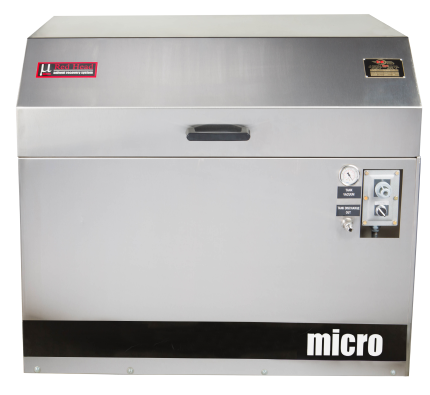
Batch Solvent Recovery Stills
How batch stills boil, condense, and reclaim spent solvent, with residue handling and reclaim-versus-disposal economics.
Read the guide →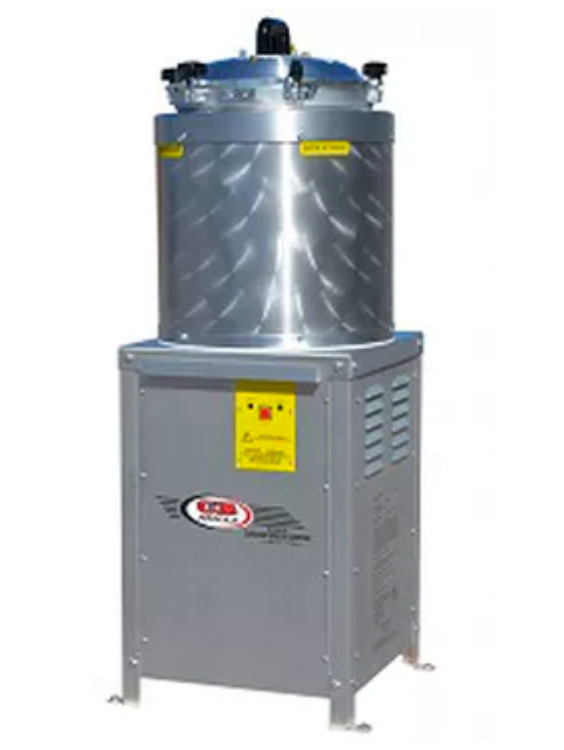
Continuous Distillation Columns
Plates versus packing, reflux, theoretical stages, and how continuous fractional distillation separates multi-component streams.
Read the guide →
Short-Path & Wiped-Film Evaporation
Low-pressure, short-residence evaporation for heat-sensitive and high-boiling streams, and why it protects the product.
Read the guide →
Closed-Loop Solvent Recovery
Capturing, condensing, and reusing solvent in a sealed loop, with emissions control, flammable-solvent safety, and economics.
Read the guide →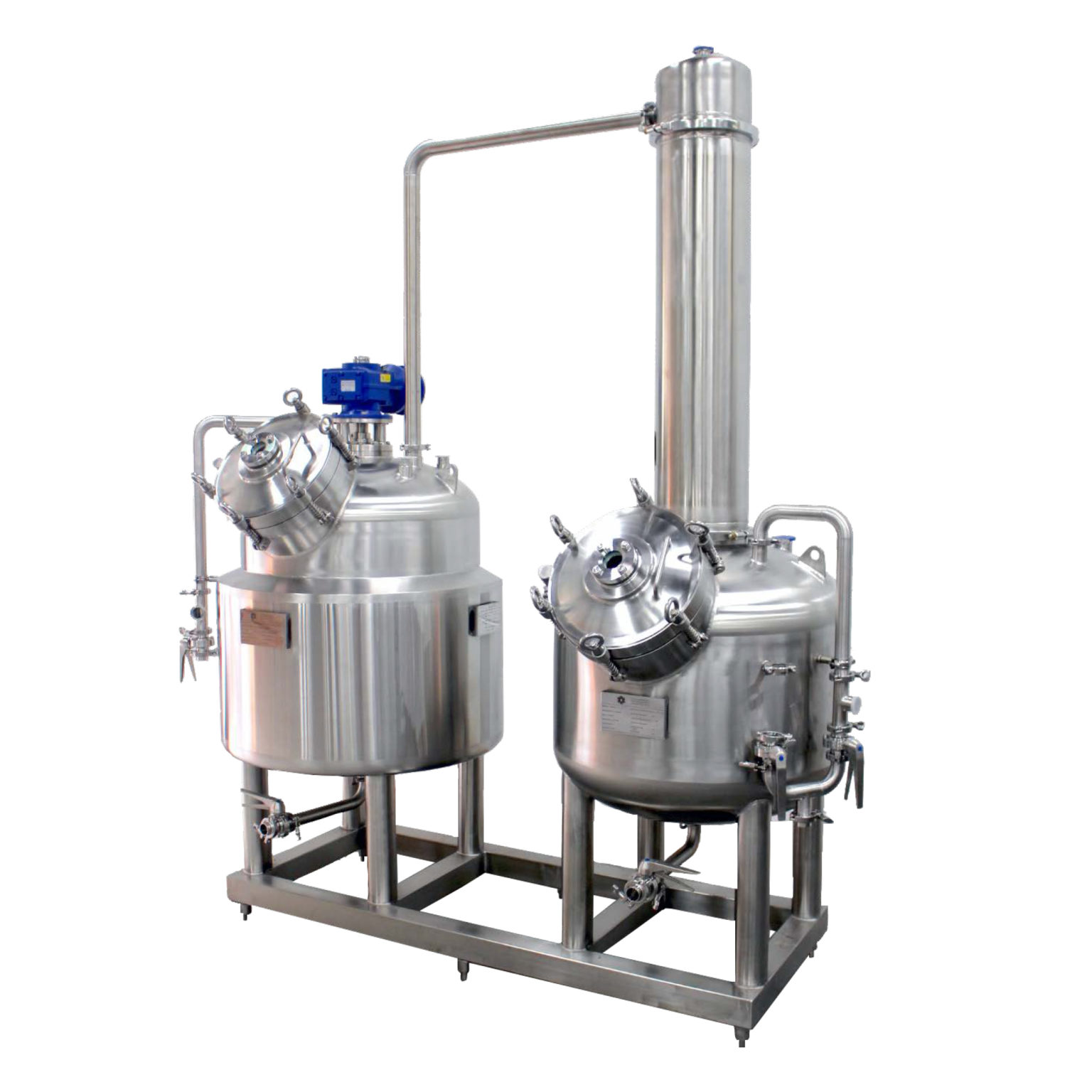
Ethanol Recovery for Extraction
Recovering and reusing ethanol in botanical extraction with falling-film and rotary evaporation: recovery rate, throughput, safety.
Read the guide →Frequently Asked Questions
- What's the payback on a solvent recovery system?
- Typical payback on active-use solvent streams runs 12–30 months. Faster paybacks come from high-value solvents (NMP, DMSO, specialty organics) and facilities with high disposal cost. Low-value solvents (mineral spirits, low-grade thinner) have longer paybacks but still save on disposal compliance.
- How pure is reclaimed solvent?
- A single batch distillation typically recovers solvent to 95–98% purity against virgin spec. Continuous columns and fractional distillation deliver 99%+. Polishing skids (molecular sieve, activated carbon) bring reclaimed solvent to virgin-equivalent spec for high-purity applications.
- What about thermally-sensitive solvents?
- Short-path and wiped-film evaporators run at low residence time and low temperature — essential for solvents that decompose at standard boiling point. Molecular distillation extends that envelope to materials sensitive below 100°F boiling temperature.
- Is the reclaimed solvent regulated waste?
- Under RCRA, reclaimed solvent used in production is not a hazardous waste — it is a material in use. Properly-permitted on-site recovery therefore reduces hazardous-waste generation and simplifies reporting. Work with your environmental counsel on the permit structure (often an exemption filing) before installing.
Start a Solvent Recovery & Distillation Project
Give us your process specs and we come back with a full engineering package, firm lead time, and a fixed price. Freight quoted separately to your ZIP.
Request a Custom Quote Call 866-418-1777