
Distillery Equipment
Craft Distillery Stills, Mash Tuns & Spirit-Side Process Equipment
Copper pot stills, stainless column stills, hybrid systems, mash cookers, wash fermenters, spirit-holding and proofing tanks — custom-engineered to your cut profile, distillation schedule, and TTB compliance footprint.
About Distillery Equipment
Distillation is a copper-steel-and-heat problem, and every distillery solves it differently. A pot still produces character-forward spirit through batch distillation — ideal for whiskey, rum, brandy, and gin programs where the cut matters as much as the alcohol yield. A column still runs continuous rectification through plates or packed sections, pushing clean high-proof neutral spirit for vodka, gin base, and industrial ethanol. A hybrid still combines a pot base with a removable column, giving distillers a dual-purpose platform that swings between grain-in whiskey and clean gin-base on the same kit.
Upstream of the still, grain-to-wash operations demand a matched set of vessels. A grain-in mash cooker with an internal agitator and steam jacket gelatinizes starch and holds the mash at saccharification temperature. A wash fermenter — open or closed, glycol-cooled — develops alcohol to 7–12% ABV over 3–5 days. A wort-pump transfer system moves finished wash to the still pot. Feint and heart receivers hold the cut product for blending, proofing, and barrel entry. Spirit-storage tanks — 304 or copper-lined — hold high-proof inventory at TTB-bonded facilities.
Short-path and wiped-film evaporation systems serve the botanical-extract and concentrate side of the industry. Rotary evaporation scales from lab bench through pilot-plant for R&D and small-production cannabinoid, essential-oil, and flavor-extract workflows. Continuous wiped-film evaporators handle thermally-sensitive product streams that would otherwise decompose at standard distillation temperatures.
What We Fabricate
Copper Pot Stills
Batch distillation with copper sulfide interaction for flavor development. 50-gal lab through 5,000-gal production vessels.
Stainless Column Stills
Continuous rectification with plate or packed columns for high-proof neutral spirit production.
Hybrid Pot-Column Stills
Removable column pot stills — run as a pot still for whiskey, swing the column on for gin or vodka base.
Grain-In Mash Cookers
Steam-jacketed cookers with internal sweep agitator for starch gelatinization and saccharification.
Wash Fermenters
Cylindro-conical or open-top fermenters with glycol cooling for wash, wine, or beer fermentation up to 14% ABV.
Low-Wines Receivers
Intermediate spirit-cut holding between first distillation and spirit run.
Heart / Feint Receivers
Custody-point spirit receivers for batch cut management.
Spirit-Storage Tanks
304 stainless or copper-lined high-proof inventory tanks for TTB-bonded facilities.
Proofing & Blending Tanks
Water-addition and batch-blending vessels for final proofing to bottle strength.
Parrots & Spirit Safes
TTB-custody cut-selection gauges integrated at still outlet.
Wiped-Film Evaporators
Continuous short-path distillation for terpenes, essential oils, and thermally-sensitive concentrates.
Rotary Evaporation Systems
Lab, pilot, and production-scale rotovaps for solvent recovery and extract concentration.
How a Custom Project Works
- Requirements capture. Volume, materials of construction, service chemistry, operating temperature and pressure, footprint, utility connections, finish, and any code or certification requirements. We work from your specification or draft one against your process.
- Engineering and drawings. A general-arrangement drawing, bill of materials, and weld map — reviewed and signed off before any material is cut.
- Material procurement. Plate, pipe, fittings, and elastomers ordered to the approved bill of materials, with material certifications captured where the service demands traceability.
- Fabrication. Shells formed and welded, heads and ports installed per drawing, sanitary work TIG-welded and ground flush on product-contact surfaces.
- Inspection and testing. Weld examination, pressure or leak testing as applicable, surface-finish verification, and passivation to ASTM A967 on stainless.
- Documentation and shipment. Material certifications, weld and inspection records, and test certificates compiled for handoff. Shipment with blocking and bracing; freight quoted separately to your ZIP.
Engineering & Design Guides
In-depth, vendor-neutral guides written by our engineering team to help you scope the right build — the equipment, the materials, and the trade-offs.
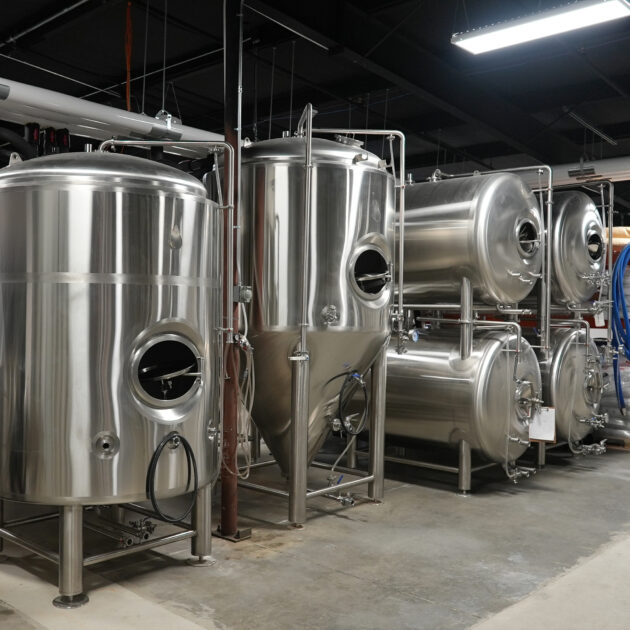
Pot vs Column vs Hybrid Stills
Pot, column, and hybrid stills compared: batch character, continuous rectification, reflux, and which design suits each spirit.
Read the guide →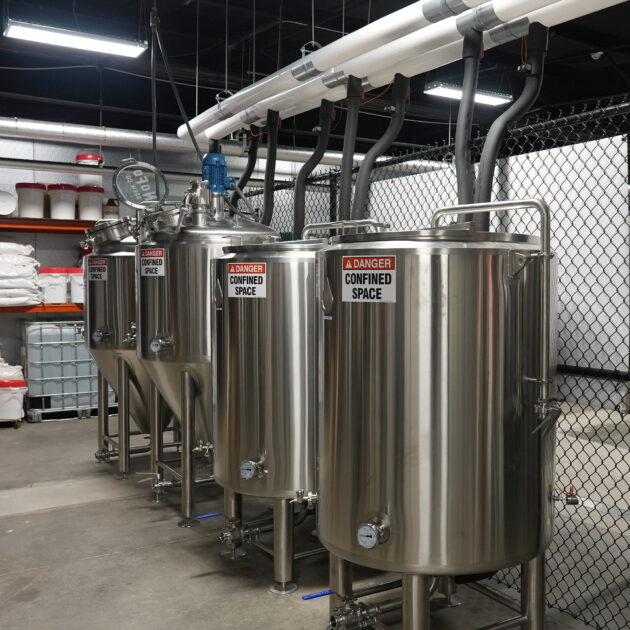
Mash Cookers & Wash Fermenters
Grain-in mash cookers and glycol-cooled wash fermenters: starch gelatinization, saccharification, and the wash that feeds the still.
Read the guide →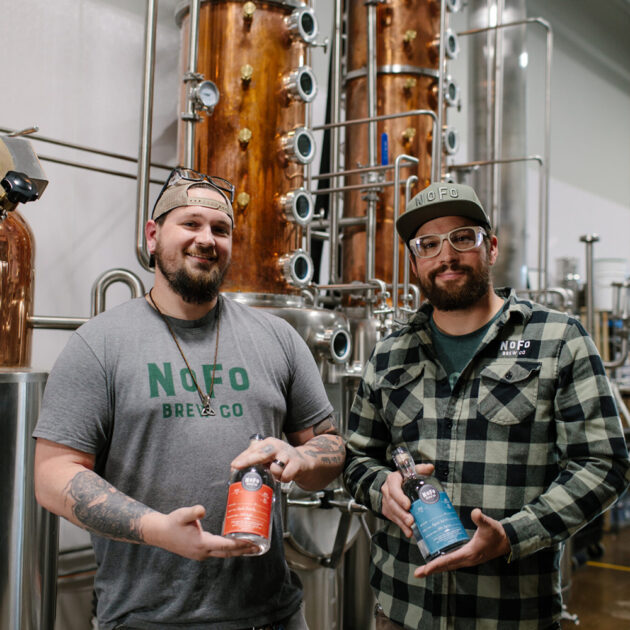
Copper vs Stainless in Distillation
Copper's sulfur removal and catalysis versus stainless durability and cleaning, and how stills combine the two metals strategically.
Read the guide →
Short-Path & Wiped-Film Evaporation
Short-path and wiped-film evaporation for heat-sensitive streams: low pressure, short residence time, and why it protects delicate product.
Read the guide →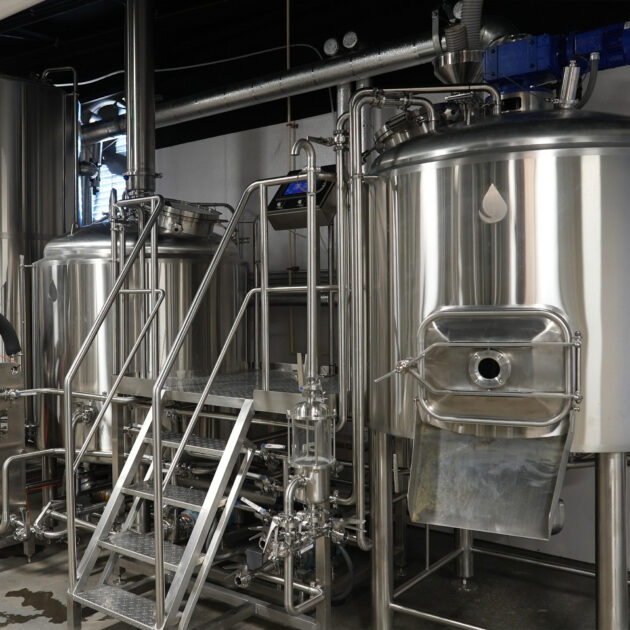
Spirit Proofing & Blending Tanks
Proofing, blending, and storage tanks that finish a spirit to bottle strength, plus material choice and bonded custody under TTB rules.
Read the guide →Frequently Asked Questions
- Can you build a still that runs both whiskey and vodka?
- Yes — a hybrid still with a removable column. Operated as a pot still for whiskey, rum, and brandy programs; column attached for gin base, vodka, and industrial neutral-spirit runs.
- Copper or stainless?
- Copper reacts with sulfur compounds in the wash, removing them from the spirit — essential for whiskey, rum, and brandy. Stainless is appropriate for neutral spirits, ethanol, and workflows where copper sulfide interaction is unwanted.
- Do you handle TTB-compliant custody equipment?
- Yes. Parrots, spirit safes, and sealed-gauge receivers are specified and installed to TTB custody-point requirements at bonded premises.
- What's the smallest production-scale still you build?
- Production-scale pot stills start at 100 gallons. Lab and R&D vessels run 5-gal to 50-gal. Continuous column stills start at 200 gallons per hour throughput.
Start a Distillery Equipment Project
Give us your process specs and we come back with a full engineering package, firm lead time, and a fixed price. Freight quoted separately to your ZIP.
Request a Custom Quote Call 866-418-1777