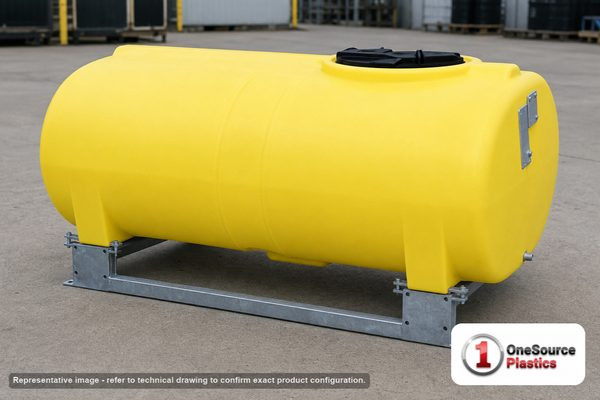
Tank Delivery and Unloading: What to Expect and How to Prepare
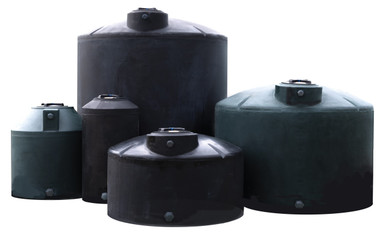
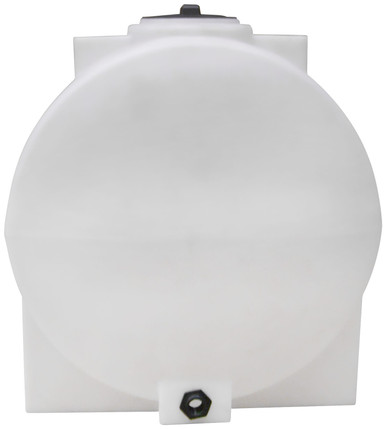
Tank Delivery: What to Expect
Ordering a polyethylene tank is easy. Receiving one is where many customers get surprised — especially with larger tanks. A 2,500-gallon tank is over 7 feet in diameter and weighs 300+ pounds empty. It doesn't arrive like an Amazon package. This guide covers exactly what to expect for delivery, how to prepare your site, and how to avoid the common mistakes that turn delivery day into a disaster.
Small Tanks: UPS/FedEx Ground (Under 150 lbs)
Tanks approximately 100 gallons and under that weigh less than 150 pounds ship via parcel carriers — UPS, FedEx, or similar. These arrive at your door like any other package delivery:
- Delivery to your address, typically to the front door or garage
- No signature required in most cases
- Transit time: 3-7 business days depending on location
- The tank will be boxed or wrapped in protective packaging
- One person can typically handle these tanks
Medium Tanks: LTL Freight (150-500 lbs)
Tanks roughly 150-1,000 gallons ship via Less-Than-Truckload (LTL) freight on a pallet. This is where delivery gets more involved:
- Delivery appointment: The freight carrier will call to schedule a delivery window (usually a 4-hour window)
- Truck type: Standard semi-truck with a 53-foot trailer. The driver delivers to the end of your driveway or loading dock — they do NOT navigate narrow driveways, dirt roads, or tight spaces
- Liftgate: If you don't have a loading dock or forklift, you MUST request liftgate delivery when ordering. The liftgate lowers the pallet to ground level. Without it, the tank stays on the truck bed 4 feet off the ground.
- Unloading is YOUR responsibility: The driver delivers to the tailgate (or ground level with liftgate). Moving the tank from the truck to the installation site is the customer's job. Plan accordingly.
- Inspect before signing: Check the tank for damage before signing the delivery receipt. Note any damage on the receipt. Once you sign "received in good condition," damage claims become much harder.
Large Tanks: Flatbed or Dedicated Truck (500+ lbs)
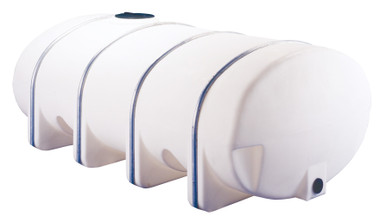
Tanks over 1,000 gallons typically ship via flatbed truck. The tank sits on the truck bed without enclosure:
- Equipment needed: Forklift, telehandler, or crane to unload from the flatbed. The driver does NOT have unloading equipment.
- Site access: The flatbed needs a straight path at least 12 feet wide and 60+ feet long. Low-hanging branches, narrow gates, and soft ground are problems.
- Placement: Ideally, the forklift picks the tank from the truck and places it directly on the prepared foundation. Moving a large tank across the ground risks damage.
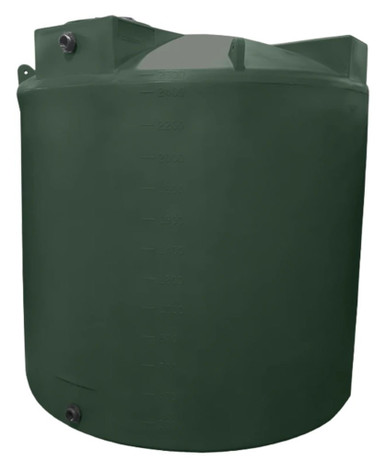
- Weight: Even empty, large tanks are heavy and awkward. A 5,000-gallon tank weighs 600+ pounds and is 10+ feet in diameter. This is not a two-person carry.
Site Preparation Checklist
Have everything ready BEFORE the truck arrives:
- Foundation completed, leveled, and cured (if concrete, allow 7 days minimum curing)
- Clear, straight access path from the road to the installation site
- Forklift or equipment on site and ready for unloading (for large tanks)
- Adequate space to maneuver — the truck needs room to position and the equipment needs room to operate
- Someone on site to inspect the delivery and direct placement
- Camera or phone to document condition at delivery (photos of any damage)
Common Delivery Day Mistakes
- No forklift for flatbed delivery: The truck shows up, you have no way to unload it, the driver leaves with your tank. Re-delivery fee: $200-500.
- Didn't request liftgate: An LTL delivery to a residential address without a liftgate means the tank stays on the truck bed 4 feet off the ground. Can you safely lower a 300-pound pallet that far?
- Foundation not ready: The tank arrives, you have nowhere to put it. Now it sits in the driveway for weeks while you prepare the pad — exposed to sun, wind, and the neighbor's curiosity.
- Signed without inspecting: The driver is in a hurry, you sign the receipt, later you find a crack. The carrier denies the claim because you signed "received in good condition."
- Narrow or soft access: An 80,000-pound semi truck cannot navigate a 10-foot gravel driveway. It will get stuck, tear up your yard, or simply refuse to enter. Know your site access limitations before ordering.
Damage Claims
If a tank arrives damaged:
- Photograph the damage immediately — before moving the tank
- Note the damage on the delivery receipt — be specific: "crack on bottom left side, approximately 6 inches long"
- Do NOT refuse delivery unless the damage makes the tank completely unusable — a refused shipment goes back to the warehouse and starts a much longer replacement process
- Contact us immediately at (866) 418-1777 with the photos and delivery receipt notes — we'll initiate the claim and get a replacement in process
Scheduling Tips
- Order tanks 2-3 weeks before your target delivery date. Standard items ship within a week, but transit time adds 3-7 business days.
- LTL carriers are busiest Monday and Friday. Mid-week deliveries (Tuesday-Thursday) are more likely to arrive on schedule.
- Schedule foundation work to be complete at least one week before expected tank delivery. This provides buffer for weather delays on either side.
- If you need a specific delivery date, request it when ordering — guaranteed delivery dates cost more but prevent expensive idle equipment and crew time.
Questions about delivery logistics? Call (866) 418-1777 — we ship tanks daily and know exactly how to get your tank from our warehouse to your site efficiently.
Shop Our Most Popular Tanks
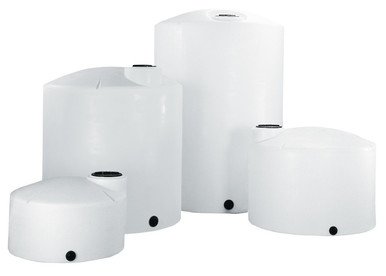
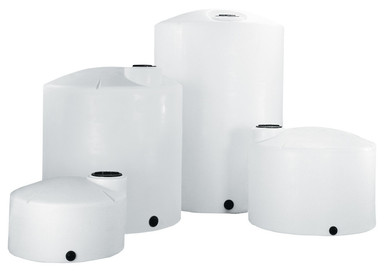
Recommended Tanks for This Guide
Live pricing, updated automatically · estimate freight to your ZIP.