
Coffee & Tea Systems
Cold-Brew Extraction, Nitro Tanks & Tea Concentrate Processing
Cold-brew extraction vessels, nitro-charged coffee dispense tanks, tea-concentrate batch kettles, RTD blending skids, flash-pasteurization loops, and kombucha fermentation systems — built for specialty coffee roasters, tea bottlers, and ready-to-drink beverage brands.
About Coffee & Tea Systems
Packaged coffee and tea manufacturing is a ratio problem: extraction yield, extraction time, and thermal damage. Hot-brew extraction pulls 18–22% TDS at the cost of oxidation and bitterness. Cold-brew extraction runs 12–24 hours at 38–42°F and yields a low-acid, low-bitterness concentrate that holds flavor for 14 days under refrigeration. Cold-brew extraction tanks are jacketed for refrigeration, agitated at low speed to keep grounds in suspension, and drained through a fine-mesh false bottom or an inline filter press. Yields of 2:1 water-to-grounds are typical; some roasters push 4:1 or higher for shelf-stable concentrate product lines.
On the tea side, concentrate batch kettles are steam-jacketed and hold hot water at 175–200°F for controlled infusion. Post-infusion, the concentrate transfers to a flash-pasteurization loop — a plate-heat-exchanger-based HTST system that heats the product to 161°F for 15 seconds, then crash-cools it to 38°F before packaging. This kills spoilage organisms without the thermal degradation of retort-style hold pasteurization. Blending skids combine concentrate with sweeteners, flavorings, and functional ingredients (adaptogens, caffeine, MCT, protein). Deaeration systems strip dissolved oxygen via nitrogen sparging or vacuum deaeration, extending shelf-life and preventing color fade.
The nitro coffee category demands pressure-rated, nitrogen-charged dispense tanks. Coffee is pre-charged with nitrogen at 30–40 psi, producing the cascading pour and creamy mouthfeel consumers expect. These vessels are coded to handle beverage dispense pressure and fitted with diffusion stones, pressure-relief valves, and draft-line connections. Kombucha fermentation tanks — a parallel sub-category — are open-top or pressure-rated vessels sized for 7–14 day SCOBY fermentation at 78°F, with glycol jacketing for secondary-fermentation flavor development.
What We Fabricate
Cold-Brew Extraction Tanks
Jacketed, agitated vessels sized 50-gal through 2,000-gal for 12–24-hour cold-water extraction at refrigerated temperatures.
Nitro Coffee Dispense Tanks
Pressure-rated, nitrogen-charged dispense tanks with diffusion stone and draft-line fitting for nitro-cold-brew programs.
Tea Concentrate Batch Kettles
Steam-jacketed kettles with temperature controller for hot-water infusion of tea, herbs, and botanicals.
Flash Pasteurization Skids
HTST plate-heat-exchanger loops for 161°F / 15-second pasteurization of RTD coffee and tea.
RTD Blending Skids
Multi-ingredient batch blenders for ready-to-drink beverage formulation — concentrate + water + sweetener + flavor.
Kombucha Fermentation Tanks
Open-top or pressure-rated SCOBY fermentation vessels with glycol jackets for 78°F primary ferment and cold-hold secondary.
Deaeration Vessels
Nitrogen-sparging or vacuum-deaeration columns for dissolved-oxygen removal from RTD product.
Carbonation Tanks
In-line or batch carbonation for sparkling tea and ready-to-drink nitro product.
Holding & Surge Tanks
Pre-pack buffer vessels to balance production rate between batch and filling.
Infuser Kettles
Steam-jacketed infusion vessels for specialty tea, botanical, and functional-ingredient extraction.
Coffee Fermentation Tanks
Temperature-controlled fermenters for wild-yeast and controlled-culture coffee fermentation programs (growing specialty segment).
Keg-Fill & Bright-Tank Systems
Pressure-rated bright tanks feeding keg-fill lines for on-premise draft coffee and tea programs.
How a Custom Project Works
- Requirements capture. Volume, materials of construction, service chemistry, operating temperature and pressure, footprint, utility connections, finish, and any code or certification requirements. We work from your specification or draft one against your process.
- Engineering and drawings. A general-arrangement drawing, bill of materials, and weld map — reviewed and signed off before any material is cut.
- Material procurement. Plate, pipe, fittings, and elastomers ordered to the approved bill of materials, with material certifications captured where the service demands traceability.
- Fabrication. Shells formed and welded, heads and ports installed per drawing, sanitary work TIG-welded and ground flush on product-contact surfaces.
- Inspection and testing. Weld examination, pressure or leak testing as applicable, surface-finish verification, and passivation to ASTM A967 on stainless.
- Documentation and shipment. Material certifications, weld and inspection records, and test certificates compiled for handoff. Shipment with blocking and bracing; freight quoted separately to your ZIP.
Engineering & Design Guides
In-depth, vendor-neutral guides written by our engineering team to help you scope the right build — the equipment, the materials, and the trade-offs.
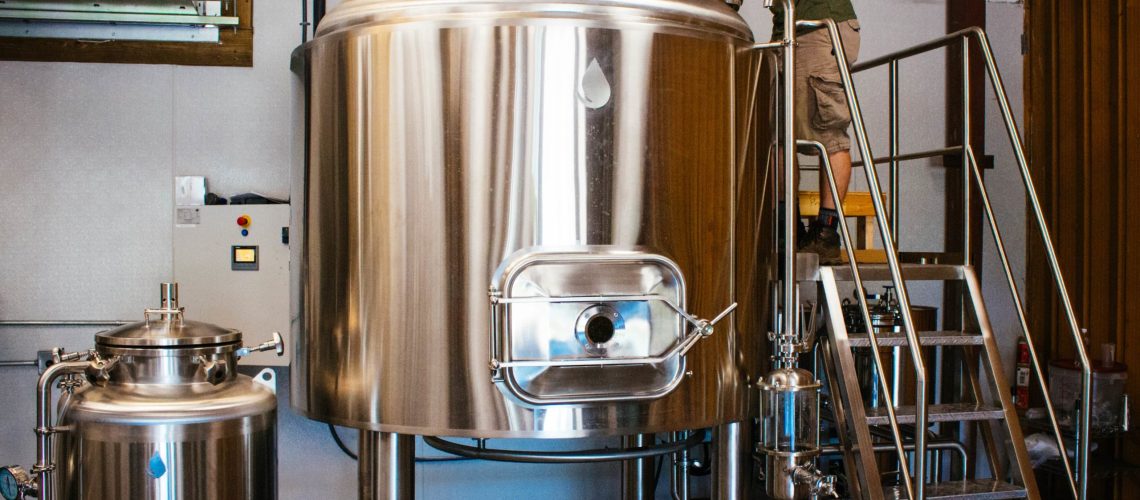
Cold-Brew Extraction Vessels
Immersion vs continuous cold-brew extraction, hygienic stainless construction, filtration and the levers that control yield and consistency.
Read the guide →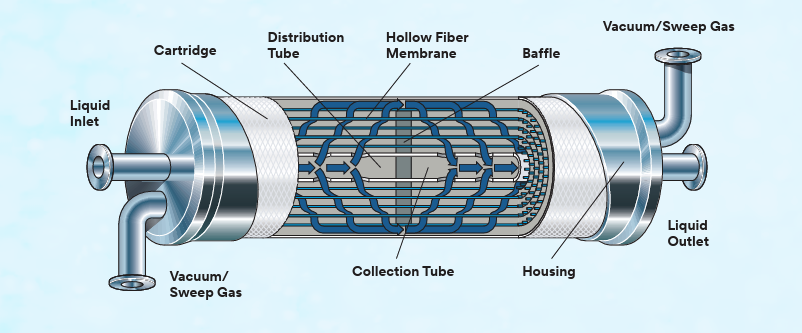
RTD Beverage Deaeration & Oxygen Control
Why dissolved oxygen ruins RTD beverages, and how vacuum and nitrogen-strip deaeration protect flavor, color, and shelf life before packaging.
Read the guide →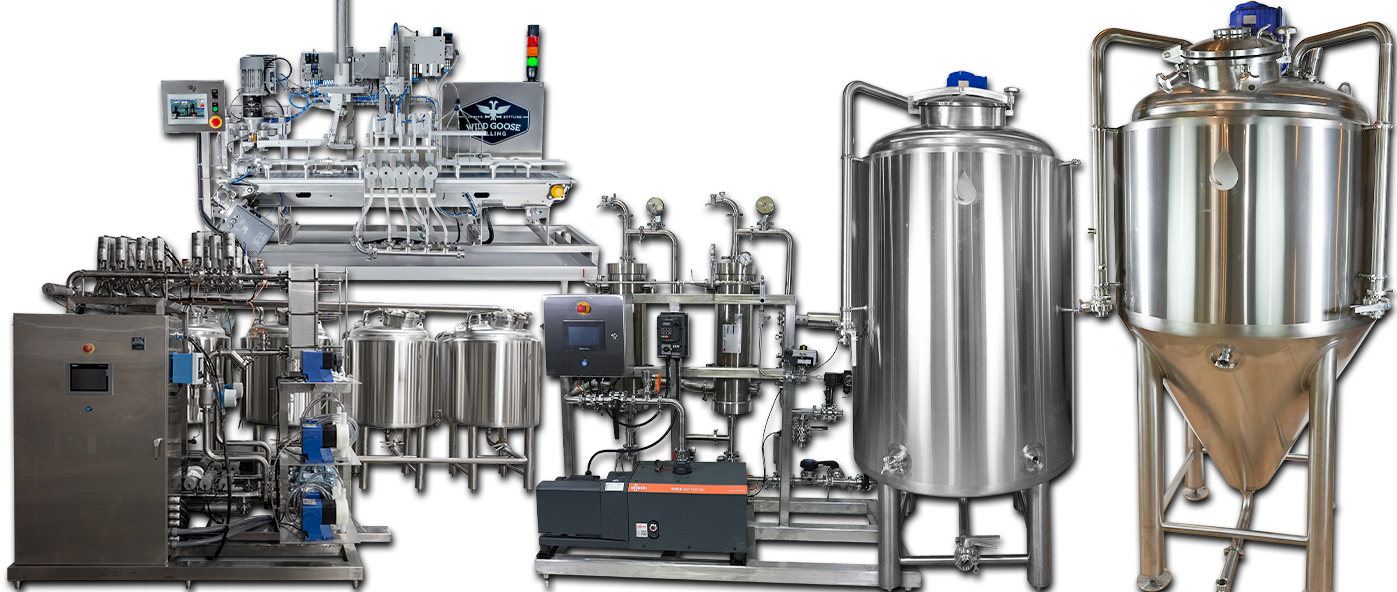
Manufacturing Clear Protein Beverages at Scale
Producing clear protein RTDs commercially: hydration, pH and clarity, heat treatment, controlled mixing and shear, and filtration.
Read the guide →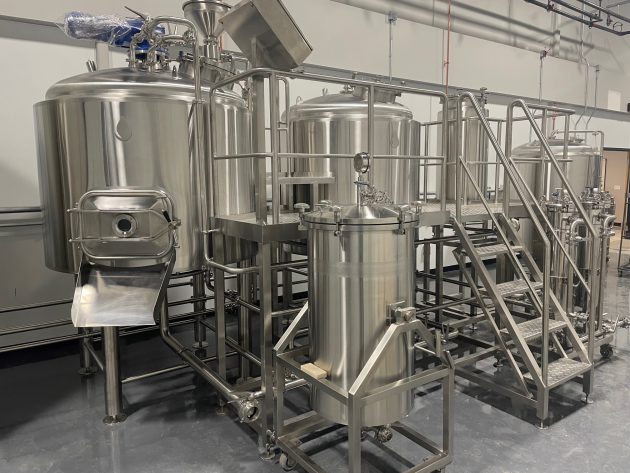
Steeping & Infusion Vessels
Temperature control, agitation, basket and strainer design, and clean separation for repeatable tea and botanical infusion batches.
Read the guide →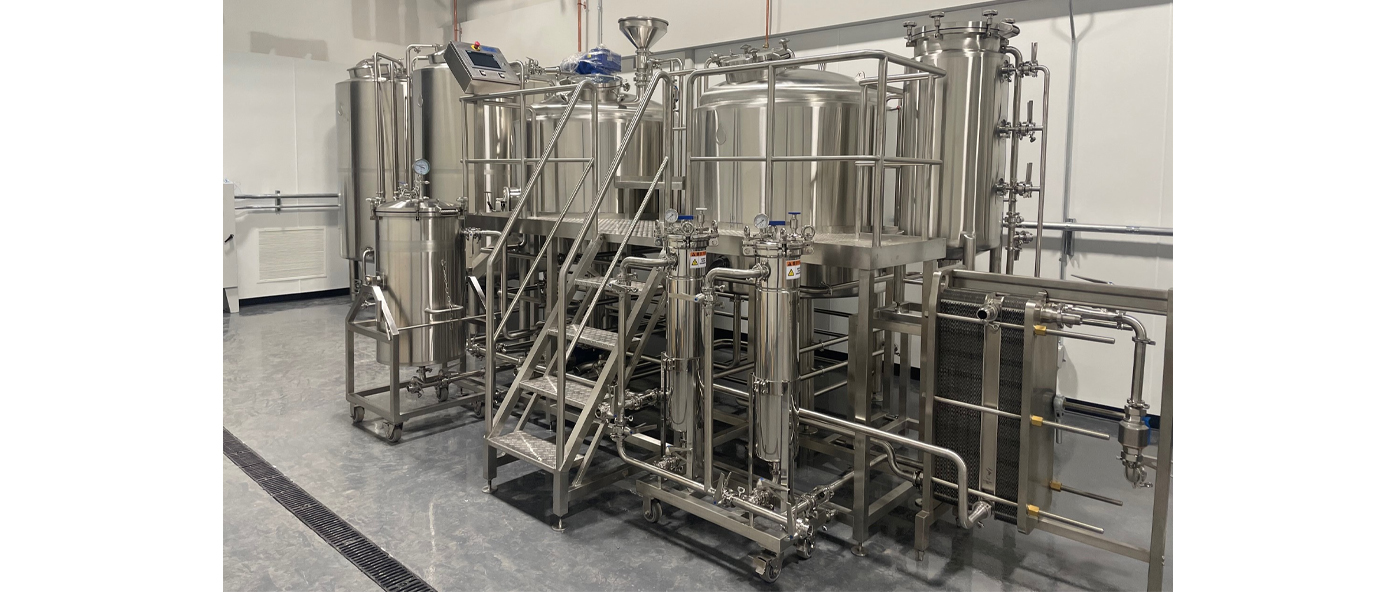
Oxygen-Free Beverage Systems
Nitrogen blanketing, closed transfer, and deaeration working together to keep coffee and RTD beverages low in oxygen for better shelf life.
Read the guide →Frequently Asked Questions
- What's the ideal extraction ratio for cold-brew concentrate?
- Producers typically run 2:1 water-to-grounds for ready-to-drink cold-brew and 4:1 or higher for shelf-stable concentrate intended for dilution. Jacketed vessel temperature stays at 38–42°F through the 12–24 hour extraction cycle.
- Do we need flash pasteurization for cold-brew?
- If your product is HPP-processed or sold under refrigeration with a short best-by window, no. For shelf-stable retort-free RTD product, yes — HTST flash pasteurization at 161°F for 15 seconds is the standard for protecting flavor while hitting a 5-log pathogen reduction.
- Can you build a nitro coffee dispense tank that connects to existing draft lines?
- Yes. Pressure-rated dispense tanks are fitted with sanitary tri-clamp, John Guest, or Sankey fittings to match your draft line hardware. Diffusion stone selection is tuned to your nitrogen-pressure target (typically 30–40 psi).
- What size should a new cold-brew operation start at?
- Pilot production runs on 50–200 gallon jacketed tanks. Mid-size regional brands typically run 500–1,000 gallon extraction vessels. National-scale cold-brew bottling lines operate 2,000+ gallon extraction tanks or multi-vessel parallel trains.
Start a Coffee & Tea Systems Project
Give us your process specs and we come back with a full engineering package, firm lead time, and a fixed price. Freight quoted separately to your ZIP.
Request a Custom Quote Call 866-418-1777