Maple Syrup Production: Tank Selection and Installation Guide
Maple Syrup Production
Maple syrup production requires collecting, storing, and processing large volumes of maple sap. It takes approximately 40 gallons of sap to produce one gallon of finished syrup. A modest operation tapping 500 trees can collect 5,000-10,000 gallons of sap per season. That sap must be stored cold and processed quickly before it spoils — making food-grade polyethylene tanks essential equipment for any sugarhouse operation.
Why Tank Selection Matters for Maple Syrup Production
Not every polyethylene tank works for every application. The wrong tank can mean chemical incompatibility, premature failure, regulatory violations, or simply wasted money on features you don't need. This guide walks you through the specific requirements for maple syrup production and matches you with the right tank from our catalog.
Key Requirements
- FDA Approved — All sap collection and storage tanks must be food-grade. FDA certification is required for any vessel contacting maple sap or syrup.
- Drainage — Sap spoils quickly above 38°F. Tanks must drain completely for cleaning between collections.
- Size — Plan for peak collection days. A run of 1 gallon per tap per day on 500 taps means 500 gallons of sap in a single day.
- Cleaning — Tanks must be sanitized between uses and at season end. Smooth polyethylene walls are easier to clean than concrete or wood.
Recommended Tank Types
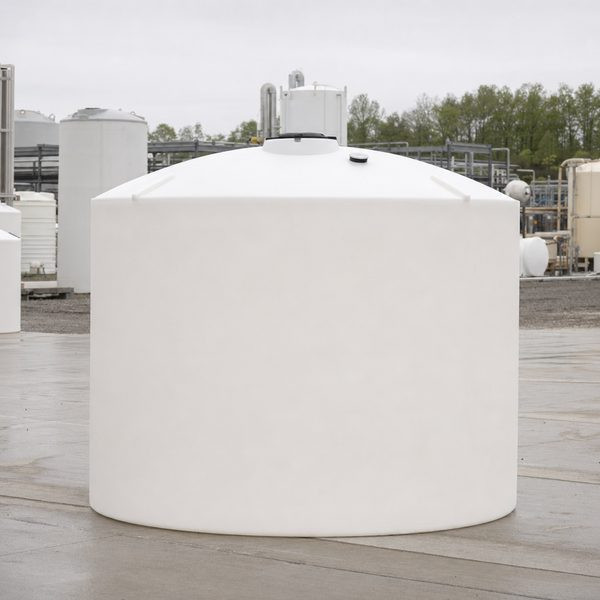
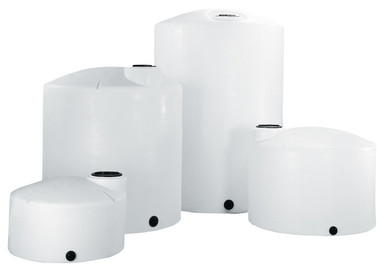
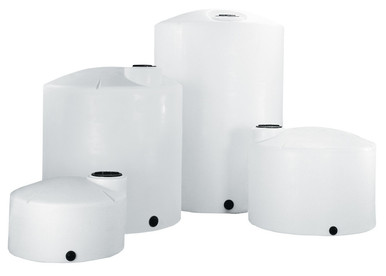
Vertical Storage Tanks
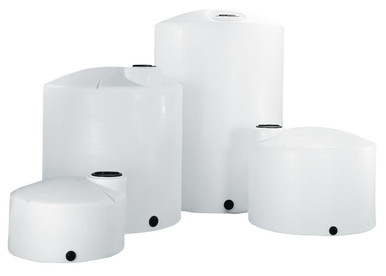
Sap collection and holding tanks for sugarhouse operations.
Shop Vertical Storage Tanks
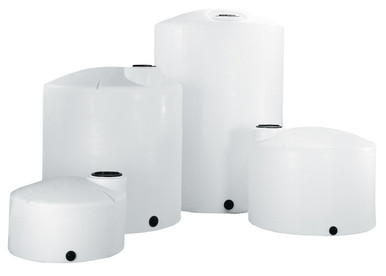
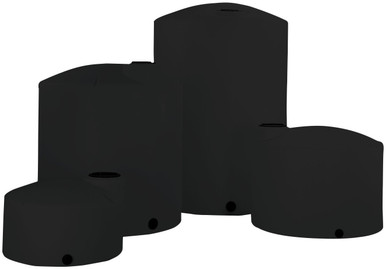
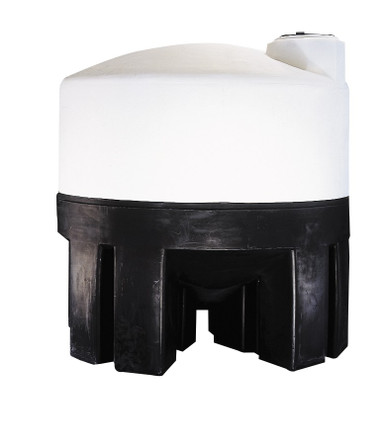
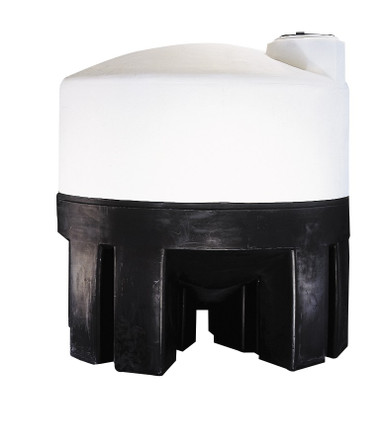
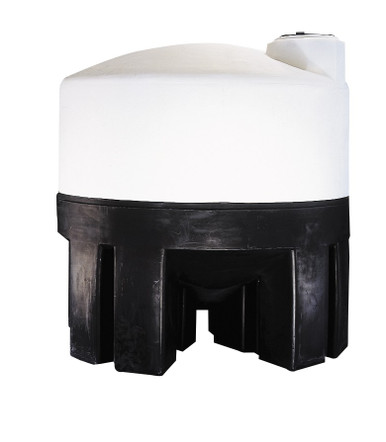
Cone Bottom Tanks
Complete drainage for sap processing. Prevents spoilage from residual sap in the tank bottom.
Shop Cone Bottom Tanks
Installation Considerations for Maple Syrup Production
Temperature Management
Fresh sap is perishable. Keep sap below 38°F or process it within 24-48 hours of collection. Shade the tank, use reflective covers, and locate storage on the north side of the sugarhouse where temperatures stay coolest. In warmer climates, consider a refrigerated sap storage tank or process daily.
Season Preparation
Before each season, inspect all tanks for damage, clean with a food-grade sanitizer, and flush thoroughly. Replace any fittings showing wear. A failed fitting during peak sap run means lost production and potentially spoiled sap.
Sizing Your Tank
Tank sizing for maple syrup production depends on your usage rate, refill frequency, and peak demand. The general formula is:
Required Capacity = Daily Usage × Days Between Refills × 1.2 Safety Factor
The 1.2 safety factor accounts for peak usage days, delivery delays, and the fact that you should never run a tank completely dry (the sediment at the bottom can clog fittings and pumps). If your application has seasonal peaks, size for peak demand rather than average demand.
Maintenance Specific to Maple Syrup Production
Standard polyethylene tank maintenance applies: quarterly visual inspection, fitting checks, foundation verification, and vent maintenance. For maple syrup production specifically, pay extra attention to:
- Chemical compatibility: If you change chemicals or suppliers, verify the new formulation is compatible with polyethylene and within the tank's specific gravity rating before adding it to the tank.
- Residue buildup: Some liquids leave residue on tank walls over time. Annual interior inspection and cleaning prevents buildup from affecting liquid quality or reducing effective capacity.
- Fitting condition: Applications with frequent connect/disconnect cycles wear fittings faster. Replace threaded fittings at the first sign of thread damage — a cross-threaded or stripped fitting is a leak waiting to happen.
- Secondary containment: If required by your local regulations, inspect containment berms, dikes, or trays during each tank inspection. Secondary containment only works if it's intact.
Frequently Asked Questions
What size tank do I need for maple syrup production?
Start with your daily usage rate and multiply by the number of days between refills, then add 20% for safety margin. For example, if you use 50 gallons per day and refill weekly, you need: 50 × 7 × 1.2 = 420 gallons minimum. Round up to the next standard size — in this case, 500 gallons.
Do I need a chemical-rated tank or a water-only tank?
If you are storing anything other than clean water, choose a chemical-rated tank (SG 1.5 or higher). The thicker walls and higher material rating provide safety margin for chemical exposure, and you won't need to replace the tank if you switch liquids later. Water-only tanks save money but limit your future options.
What permits do I need?
Permit requirements depend on your location, the tank size, and what you are storing. Water storage typically requires no permits below 5,000 gallons. Chemical storage often requires permits, secondary containment, and fire marshal review. Agricultural exemptions may apply for farm chemical storage. Always check with your local building department and fire authority before installation.
Can I install the tank myself?
For tanks under 500 gallons, DIY installation is straightforward if you follow proper site preparation and plumbing practices. For larger tanks, we recommend professional installation — the weight involved creates safety risks, and improper placement can void the warranty. Either way, a proper foundation is non-negotiable.
How do I handle delivery and placement?
Small tanks (under 200 gallons) ship via UPS/FedEx ground. Mid-size tanks (200-1000 gallons) ship LTL on a pallet — you'll need a forklift or request liftgate delivery. Large tanks (1000+ gallons) ship via flatbed and require equipment for unloading. Call us to coordinate delivery logistics for your specific site conditions.
Need expert guidance on tank selection for maple syrup production? Call (866) 418-1777 — we'll help you size, select, and plan your installation.
Recommended Tanks for This Guide
Live pricing, updated automatically · estimate freight to your ZIP.