Tank Chemical Sampling Protocol for Bulk Polyethylene Storage: Representative Sample Drawing, Stratification and Sediment Effects, Analysis Cadence by Chemistry Class, Container Selection, and the Mistakes That Produce Wrong-Looking-Right Lab Results
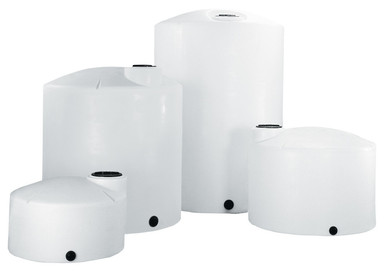
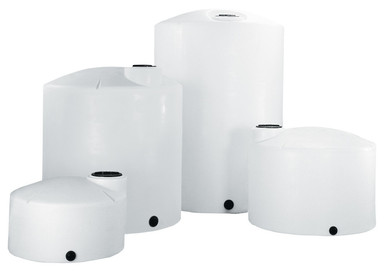
The lab analysis result that comes back to the operator is only as good as the sample that was sent to the lab. A representative sample drawn from a bulk polyethylene tank is harder than it looks. The chemistry inside the tank is rarely homogeneous: stratification by density and temperature, sediment accumulation at the bottom, headspace condensation droplets at the top, biofilm and scale at the wall surfaces, and chemistry gradients between the inlet and the outlet all produce regions of the tank that are not representative of the bulk inventory. The operator who draws a sample from a single port at a single elevation and submits it to the lab gets a result that describes that location at that moment, not the tank.
This article walks the engineering of representative tank sampling protocols for bulk polyethylene storage across chemical, water, and food-grade service. The references are ASTM D4057 (manual sampling of petroleum and petroleum products), ASTM D4177 (automatic sampling of petroleum and petroleum products), API MPMS Chapter 8 (sampling), the EPA Method 9070 series for hazardous waste sample handling, the AWWA water-quality sampling standards for potable water service, the FDA 21 CFR 110 GMP requirements for food-grade ingredient sampling, and field forensic data from over 80 lab-result discrepancy investigations across chemical-distribution and process-facility customers. The objective is the sampling protocol that produces a result the operator can act on with confidence and the institutional discipline that keeps the protocol consistent across operators and shifts.
1. What "Representative" Actually Means
A representative sample is a small volume of fluid whose chemistry and properties match the average chemistry and properties of the bulk inventory it was drawn from, within a quantified accuracy envelope. The representativeness has dimensions: it has to be representative across position (top vs middle vs bottom of tank), across time (current state vs recent state), across mixing condition (immediately after a delivery vs after extended storage), and across any contamination paths (sample container chemistry, sampling-tool residue, transfer atmosphere).
The sample that is not representative is not necessarily wrong; it is unlocated. A sample drawn from the bottom of a tank that has stratified shows what is at the bottom, which is genuinely different from the bulk for stratified chemistries. The lab result for that bottom sample is a true reading of the bottom; the operator's mistake is treating it as a true reading of the bulk. The protocol design corrects this by either drawing samples from multiple locations and compositing them, or by drawing samples from a single location with documented procedures for forcing tank homogeneity (mixing, recirculation) before sampling.
The accuracy envelope around "representative" is application-specific. A specialty chemical with $2-5 per gallon unit cost being analyzed for purity certification before shipment to a customer demands tighter representativeness than the same chemical being checked for general degradation status as part of a quarterly maintenance program. The protocol writer specifies the representativeness target before specifying the sampling procedure, and the procedure follows from the target.
2. Stratification by Density: The First Heterogeneity
The most common heterogeneity in bulk-tank chemistry is density stratification. Two miscible fluids of different density will mix on initial blending but separate over time as denser components migrate downward and lighter components rise. The separation rate depends on viscosity, temperature, and convective currents from external heating or cooling, but for typical industrial chemistries the separation can be measurable within hours and dramatic within days.
- Aqueous solutions with dissolved salts. Concentrated brine sitting at the bottom of a tank with dilute brine at the top, particularly if the tank is filled with mixed-strength deliveries or if water is added to top up. The bottom sample shows high salinity; the top sample shows low salinity; the bulk average is somewhere in between, but the lab's reading depends entirely on which port the operator used.
- Water-glycol or water-glycerol mixtures. The glycol or glycerol component is denser than water; concentration stratifies during long storage with low mixing.
- Hydrocarbon-water emulsions. The oil-in-water or water-in-oil emulsion separates over time even with surfactants present; the unwanted phase accumulates at the top or bottom depending on chemistry.
- Concentrated acids or bases with water dilution. Sulfuric acid is denser than water; the concentrated layer migrates to the bottom even after vigorous initial mixing. Sampling from a bottom drain valve shortly after a top-up dilution gives a misleadingly high acid-strength reading.
- Oil-water systems with dissolved or precipitated solids. Iron oxide, calcium carbonate, biological cell debris all settle to the bottom and produce sediment layers; the bottom sample contains the sediment whether the operator wants it to or not.
The density-stratification problem is solved by either mixing the tank before sampling (mechanical agitator, recirculation pump, or air-sparge mixing for compatible chemistries) or by drawing composite samples from multiple elevations and combining them in proportion to the volume each elevation represents. The mixing approach is operationally simpler but adds capital scope to the tank installation; the composite-sampling approach is procedurally complex but works with tanks that don't have built-in mixing.
3. Sediment and Sludge: The Bottom Problem
Most chemical-storage tanks accumulate sediment at the bottom over service life. The sources are diverse: trace solids in incoming product, precipitation reactions between the contained chemistry and trace contaminants, biological growth in water-based service, polymer degradation products in older tanks, mineral scale from temperature or pH changes. The accumulated sediment occupies the bottom 1-12 inches of tank volume depending on age and service history.
The sediment layer is a chemistry distinct from the bulk product above it. Drawing a sample from the very bottom of the tank or from a bottom-drain port with no clearance from the sediment layer collects a sediment-and-sludge sample, not a bulk-product sample. The lab analysis of the sediment-laden sample shows chemistry results that look anomalous but are actually correct for what the operator submitted; the misinterpretation is the operator's, treating the sediment sample as bulk product.
The protocol fix is straightforward: the sample port for representative bulk sampling is at least 6-12 inches above the tank bottom (more for older tanks or chemistries known to accumulate sediment), and the sediment-zone sample, when desired, is taken separately from a different port or with a different procedure (a bottom-zone bailer that is lowered to the sediment level and triggered there). The two samples are not mixed; they are analyzed separately and reported separately.
The sediment-zone sampling has its own importance. Periodic sampling of the sediment layer (annually or semi-annually for active tanks) tracks the rate of accumulation, identifies any change in composition that might indicate corrosion or reaction with the tank material, and informs the tank-cleaning schedule. The sediment data is the leading indicator for tank-cleaning campaigns; without it the cleaning happens reactively when something fails or when the inventory tracking shows a discrepancy.
4. Headspace and Vapor-Phase Sampling
Some chemistries have a vapor-phase component that is as informative as the liquid-phase component. Sodium hypochlorite generates chlorine gas headspace as it degrades; the chlorine concentration in the headspace tracks the rate of degradation and can be a leading indicator of upcoming concentration loss in the liquid. Solvent storage tanks have headspace that is the regulated emission for most environmental programs; the headspace composition has to be characterized to design the venting and emission control. Acid storage tanks have headspace humidity and acid-mist that affects venting design and personnel safety during inspection.
The headspace sample is a separate procedure from the liquid sample. The headspace is captured by drawing through a vent port or a dedicated headspace sample port using a sealed sample container (typically a Tedlar bag, a stainless steel canister, or an evacuated glass bottle). The sample handling is more demanding than liquid handling: vapors leak from imperfect seals, condense on container walls during temperature changes, and react with container materials over storage time before lab analysis.
The headspace sampling cadence depends on the chemistry. For sodium hypochlorite degradation tracking, monthly headspace sampling correlates well with liquid concentration loss. For solvent emission monitoring, the sampling cadence is often quarterly or annual unless the regulatory program specifies more frequent sampling.
5. Sample Container Selection
The sample container is the part of the protocol that gets the least attention and produces some of the most consistent errors. The container has to be chemically compatible with the sampled fluid, has to seal against atmosphere during transport to the lab, has to be large enough for the analysis methods plus duplicate volume, and has to be small enough to fill quickly without prolonged atmospheric exposure during sampling.
- Polyethylene bottles. Compatible with most aqueous chemistries, water samples, and aqueous-solution acids and bases. Not compatible with hydrocarbon solvents, strong oxidizers (concentrated bleach, hydrogen peroxide above 30 percent), or many organic chemistries. The default choice for water-based sampling.
- Glass bottles. Compatible with hydrocarbon solvents, organic chemistries, and chemistries that interact with polymer surfaces. Not compatible with hydrofluoric acid or strong bases at high concentration. The default for organic chemistry sampling.
- Stainless steel containers. Compatible with most chemistries except chlorides at high concentration (which can cause stress corrosion cracking) and a few specialty chemistries. Used for high-purity sampling where polymer or glass leaching is a concern.
- Fluoropolymer bottles (PTFE, FEP). Compatible with the broadest chemistry envelope including HF, strong oxidizers, and aggressive solvents. The expensive option used when other materials are not compatible.
- Specialty containers for vapor sampling (Tedlar bags, evacuated canisters). Use when headspace or vapor-phase sample is the analysis target.
The sample container is rinsed with the sampled fluid before the actual sample is collected (typically twice or three times) to remove residual cleaning agent or atmospheric contamination from the container wall. The rinsate is discarded; the sample is filled from the same port immediately after rinsing, with the bottle sealed under the sample fluid surface to minimize headspace and atmospheric exposure.
The sample preservation requirement is chemistry-specific. Some samples are preserved with acid or base addition to stabilize the analyte; some are preserved by refrigeration; some are preserved by freezing; some require no preservation but mandate analysis within a specified hold time. The lab providing the analysis publishes the preservation and hold-time requirements; the sampling protocol incorporates them.
6. Analysis Cadence by Chemistry Class
The frequency of sampling depends on the chemistry and the consequence of out-of-spec material. The general framework:
- Per-batch sampling. Each delivery from the supplier is sampled and analyzed before the delivery is accepted into inventory. Used for high-purity chemistries where the supplier's quality control is the primary assurance and the receiving facility verifies the supplier's claim. Common in pharmaceutical, food-grade, and high-spec chemical-process applications.
- Daily or weekly process sampling. The chemistry in the tank is sampled and analyzed at production-relevant frequency to verify it is meeting process specifications. Common for water-treatment chemicals where pH, free chlorine, and conductivity are monitored daily; for food-grade ingredient tanks where bacterial counts and component concentration are checked weekly.
- Monthly maintenance sampling. Tank chemistry checked monthly for general degradation indicators and contamination markers. Common for stable industrial chemistries where the routine cadence is sufficient to detect drift before it becomes a process problem.
- Quarterly or semiannual deep analysis. Comprehensive analysis (full ICP-MS for trace metals, GC-MS for organic contamination, full microbiology for water service) on a longer cadence to detect slow-developing changes. Used as the leading indicator for tank-cleaning campaigns and material-compatibility verification.
- Annual sediment and shell-condition sampling. Sediment-zone sampling, tank-shell sample where it's accessible, and any specialty samples for regulatory documentation. The annual cadence anchors the long-term tank-condition trending.
The cadence that fits the application is the cadence the operator actually executes consistently. A daily sampling protocol that becomes monthly because the operator can't sustain the labor is a worse protocol than a monthly cadence executed reliably; the data discontinuity is more damaging than the lower frequency.
7. Sampling Port Engineering
The tank has to have sample ports that allow representative sampling. The engineered port:
- Sample port at top, middle, and bottom-clearance elevations. Three ports allow composite-sample drawing without mixing. The bottom-clearance port is at least 6-12 inches above the tank floor to clear the sediment zone. The middle port is at the tank centerline. The top port is below the maximum fill line but above the typical operating level for headspace sampling and top-zone characterization.
- Each port equipped with a sample valve appropriate for the chemistry. A 1/4-inch or 1/2-inch ball valve in a chemistry-compatible material with a hose-barb or quick-disconnect fitting on the discharge side. The valve handle position is documented (full-open during sampling, full-closed otherwise) to prevent unintended discharge.
- Sample line that drains completely between samples. The line from the tank to the sample valve has to be short and sloped so that residual sample drains out between sampling events; otherwise the next sample includes the previous sample's residue, which is a contamination path.
- Sample-line flush volume documented. Before the actual sample is collected, a flush volume (typically 3-5x the line volume) is drawn and discarded to clear residual fluid in the line and ensure the sample is from the tank, not from the line.
- Sample collection at point of use. The port is positioned where the operator can stand, hold the sample container, operate the valve, and observe the fill without contortion. Sampling ports at awkward heights or behind obstructions produce inconsistent technique and inconsistent samples.
The sampling-port engineering is part of the tank specification for any installation where regular sampling is part of the operation. Retrofitting sample ports onto a tank that didn't anticipate them is possible but adds complexity and field-installation risk; specifying the ports during the original tank purchase is the better approach.
8. Tank Selection That Supports Sampling
The tank specification for sampling-intensive service:
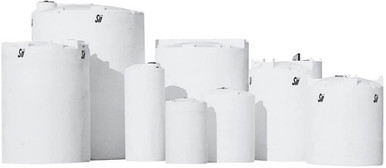
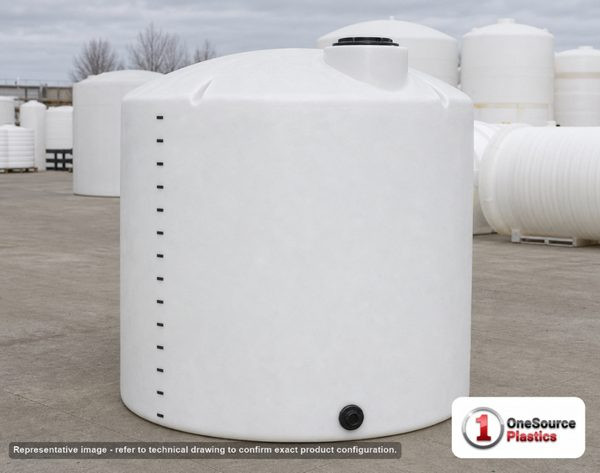
- Vertical tanks with multiple side-wall fitting bosses. The vertical configuration accommodates ports at top, middle, and bottom-clearance elevations naturally; the cylindrical geometry gives the operator equal access at all elevations. Reference N-40164 5000 gallon Norwesco vertical for the standard bulk-storage envelope and N-43128 10,000 gallon Norwesco vertical for the larger envelope. Both XLPE construction with multiple side-wall fitting locations.
- Cone-bottom tanks for chemistries that accumulate sediment quickly. The cone bottom drains the sediment to the bottom outlet during routine flow rather than letting it build a layer; the sediment-zone sampling is replaced by a sediment-discharge procedure that captures the bottom-of-cone material in a small container. Reference N-43852 1000 gallon 45 degree cone bottom.
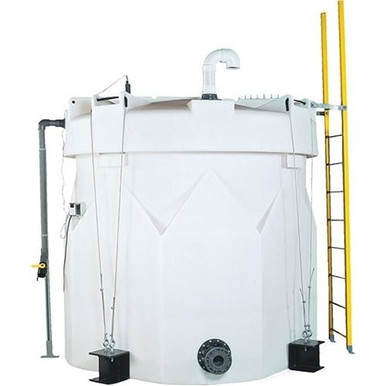
- Snyder Industries XLPE Captor double-wall tanks where the interstitial space provides additional sampling for leak detection. The interstitial chemistry (typically dry air or an inert gas) is itself sampled periodically as part of the leak-detection program. Reference SII-1006600N42 10,000 gallon XLPE Captor.
The procurement conversation should specify the sampling-port count, location, and fitting type as part of the tank specification. Standard tank models accommodate 3-6 fitting bosses; sampling-intensive applications may specify additional ports beyond the standard count. List pricing on the BC product page is for the standard fitting configuration; custom port configurations are quoted separately. LTL freight to your ZIP via the freight estimator or by phone at 866-418-1777.
9. Documentation and Chain-of-Custody
The sample is only useful if the lab result can be traced back to the source. The documentation discipline:
- Sample identification label. Each sample container is labeled with tank ID, sample port location, date and time of collection, operator name, and intended analysis. The label survives transport to the lab; cardboard tags that disintegrate or marker pens that smudge are not acceptable.
- Chain-of-custody form. The form documents the sample's path from collection through transport to the lab. Each transfer is signed by the relinquishing and receiving parties. The form is required for regulatory samples and is good practice for all samples to support traceability of any anomalous result.
- Sample log book. The site-level record of samples collected, dated, sent to the lab, and the analysis results returned. The log book becomes the historical record that supports trend analysis over months and years.
- Result-out-of-spec procedure. The pre-defined response procedure when a lab result returns outside the expected range. The procedure includes re-sampling protocol, additional analysis to confirm the anomaly, communication to the relevant operations and quality stakeholders, and documentation of the resolution.
The documentation discipline is the part of sampling that gets shortcut most often and produces the most operational difficulty when it is needed. The chain-of-custody and sample log are inexpensive to maintain when they are the routine procedure; rebuilding them retroactively after a regulatory inquiry or a quality incident is expensive and often impossible.
10. The Sampling Engineering Conclusion
Representative tank sampling is a small-engineering discipline that has outsized impact on operations decision quality. The sample drawn correctly produces a lab result that the operator can trust; the sample drawn incorrectly produces a result that is technically true but operationally misleading. The protocol that distinguishes the two is not exotic: it is the recognition that tank chemistry is not homogeneous, that the sample port location matters, that the container chemistry matters, that the cadence has to match the application, and that the documentation has to support traceability.
The sampling mistakes that produce wrong-looking-right results are not exotic either. Single-port sampling on stratified chemistries. Bottom-port sampling that picks up sediment. Container-chemistry incompatibility that contaminates the sample at source. Insufficient line flush before sample collection. Missing chain-of-custody that prevents traceability when the result is anomalous. None of these mistakes require novel engineering to prevent; all of them require the discipline to follow the protocol consistently across operators and shifts.
OneSource Plastics ships the polyethylene tanks with the fitting layouts and port configurations that support sampling-intensive service across all 5 brands — Norwesco, Snyder, Chem-Tainer, Enduraplas, Bushman. Tank dimensional drawings document the available fitting locations; the specification conversation can include custom fitting configurations for sites that need beyond-standard sampling-port counts. List pricing by SKU on the product page; LTL freight to your ZIP and any custom-fitting scope quoted separately. Reference the freight estimator or call 866-418-1777. For related operations engineering see tank specification sheet reading and tank accessories and fittings.
Recommended Tanks for This Guide
Live pricing, updated automatically · estimate freight to your ZIP.