EPA SPCC 40 CFR 112 Walkthrough for Ag Retailers: When You Trigger Tier I vs Tier II Qualified Facility Status
SPCC — the Spill Prevention, Control, and Countermeasure rule under 40 CFR Part 112 — applies to any non-transportation-related facility that stores oil products above defined thresholds and could discharge oil into waters of the United States. Agricultural retailers (fertilizer dealers, fuel-distribution sites, equipment dealers with on-site fuel storage, grain elevators with associated fuel and lubricant storage) routinely cross the thresholds. Understanding which SPCC tier applies — full PE-stamped plan, Tier II self-certified plan, or Tier I template plan — and what each tier requires is the first compliance step. This walkthrough covers the threshold math, the Tier I vs Tier II vs full-plan decision, what a Tier I plan looks like, and how the OneSource fuel and lubricant tank catalog supports compliance.
The Two Threshold Tests
SPCC applies (40 CFR 112.1) to a facility if all three are true: the facility is engaged in drilling, producing, gathering, storing, processing, refining, transferring, distributing, using, or consuming oil and oil products; the facility could reasonably be expected to discharge oil in quantities that may be harmful into navigable waters of the United States or adjoining shorelines; and the facility's aboveground oil storage capacity exceeds 1,320 U.S. gallons (counting only containers of 55 gallons or larger), or the completely buried oil storage capacity exceeds 42,000 U.S. gallons.
For ag retailers the 1,320-gallon aboveground threshold is reached quickly: a single 1,500-gallon farm-fuel tank, two 1,000-gallon lubricant tanks, or a typical fuel-distribution site with multiple bulk tanks all cross the line. Once SPCC applies, the next question is which tier of plan the facility is required to prepare.
Tier I vs Tier II vs Full Plan: The Decision Tree
40 CFR 112.3(g) defines two qualified-facility tiers that allow self-certification of an SPCC plan in lieu of Professional Engineer certification:
- Tier II Qualified Facility (40 CFR 112.3(g)(2)): aggregate aboveground oil storage capacity of 10,000 U.S. gallons or less, AND meets the oil-discharge history criteria (no single discharge of oil to navigable waters exceeding 1,000 U.S. gallons within the prior three years, AND no two discharges each exceeding 42 U.S. gallons within the prior 12 months, both within three years prior to the SPCC plan certification).
- Tier I Qualified Facility (40 CFR 112.3(g)(1)): meets the Tier II criteria above, AND has no individual aboveground oil storage container with capacity greater than 5,000 U.S. gallons. A Tier I facility can use the streamlined SPCC plan template in 40 CFR Part 112 Appendix G.
- Full PE-certified plan: any facility above 10,000 gallons aggregate aboveground capacity, or any facility that exceeds the discharge-history thresholds, must have an SPCC plan certified by a licensed Professional Engineer per 40 CFR 112.3(d).
Note the regulatory distinction between SPCC applicability and the special farm exemption. 40 CFR 112.1(d)(11) defines a "farm" with specific criteria; certain farms have a higher 6,000 to 20,000-gallon threshold structure under 40 CFR 112.7. Ag retailers are NOT farms under this definition — a retailer selling fuel and lubricants is engaged in commercial distribution, not in primary agricultural production, and the standard SPCC thresholds apply.
What Counts as "Oil" Under 40 CFR 112
The definition of oil under SPCC is broad. 40 CFR 112.2 defines oil as "oil of any kind or in any form, including, but not limited to: fats, oils, or greases of animal, fish, or marine mammal origin; vegetable oils, including oils from seeds, nuts, fruits, or kernels; and other oils and greases, including petroleum, fuel oil, sludge, synthetic oils, mineral oils, oil refuse, or oil mixed with wastes other than dredged spoil."
For ag retailers this captures: gasoline, diesel, biodiesel, heating oil, motor oil, hydraulic oil, gear lubricant, transmission fluid, glycol-based and oil-based heat-transfer fluid, vegetable oil products in bulk, and any oil-mineral-spirits-based crop-protection adjuvants. Aqueous fertilizer solutions (UAN, urea, ammonium nitrate, potash) are NOT oil under 40 CFR 112 and do not contribute to the threshold.
Tier I Plan: The Streamlined Path
For an ag retailer below 10,000 gallons aggregate AND with no individual tank above 5,000 gallons, the Tier I template plan is the lightest-weight compliance path. The Appendix G template is a fillable form that documents:
- Facility identification and contact information
- Oil-handling activities and tank inventory
- Site diagram showing tank locations, secondary containment, and discharge pathways
- Spill prediction (volume and rate of potential discharge from each container)
- Discharge prevention measures
- Discharge or drainage controls (secondary containment design)
- Personnel training and discharge prevention procedures
- Inspection cadence and records
- Brittle fracture evaluation (for field-erected tanks)
- Five-year review and update commitment
- Owner/operator self-certification
The Tier I template can be completed by the facility owner or operator (no PE required), but the facility must implement the plan and maintain it on site. EPA inspections verify both plan content and field implementation.
Tier II Plan: Self-Certified, Not Templated
For a facility above the 5,000-gallon individual-container ceiling but at or below 10,000 gallons aggregate (and meeting the discharge-history criteria), the Tier II plan is self-certified by the owner or operator but is NOT the simplified template. The plan must address all SPCC requirements in 40 CFR 112.7 through 112.12 and must include the technical engineering content of a full plan, but does not require PE certification. Many Tier II facilities engage an SPCC consultant or environmental engineer to draft the plan even though PE certification is not legally required, because the technical content (secondary containment sizing, drainage analysis, brittle-fracture evaluation, transfer-area protection) is engineering work.
Secondary Containment Requirements: Common to All Tiers
Regardless of tier, SPCC requires secondary containment for bulk oil storage tanks. 40 CFR 112.7(c) and 112.8(c)(2) require containment sized to hold the entire contents of the largest single container plus sufficient freeboard to contain precipitation. For uncovered outdoor containment, EPA guidance and most state agencies interpret this as 110 percent of the largest tank capacity (the 100 percent tank volume plus 10 percent freeboard for rainfall). Some states (notably California and others) require 125 percent.
For ag retailers the containment options include earthen berms with HDPE liner, concrete dike walls, double-walled tanks, or modular containment basins. The double-walled tank option eliminates the separate berm construction and is often the lowest-total-cost approach for installations under 6,000 gallons.
OneSource Fuel and Lubricant Tank Lineup for SPCC-Compliant Installations
For ag retailers building or upgrading on-site fuel and lubricant storage to SPCC-compliant configuration, the OneSource catalog covers the relevant size range. A few notes on positioning:
- Polyethylene tanks are appropriate for diesel exhaust fluid (DEF), used oil, glycol heat-transfer fluid, biodiesel B100, and certain other oils with verified compatibility. They are NOT appropriate for gasoline, jet fuel, or other low-flash hydrocarbon fuels — those require steel UL-142 or UL-2085 construction. Verify compatibility for any specific oil before specifying polyethylene.
- For gasoline and diesel storage at retail-fuel volumes, steel UL-142 tanks (single-wall above-ground, typically with separate berm for SPCC compliance) or UL-2085 protected-aboveground-storage-tanks (fire-rated, integral secondary containment) are the dominant choice. OneSource focuses on the polyethylene complement to these installations: used oil collection, lubricant storage, DEF dispensing, glycol storage, and process water for site operations.
Snyder Industries Captor Double-Wall (Used Oil and Compatible Oils, SPCC-Friendly)
- Snyder Industries 120 Gallon Plastic Vertical Double Wall Waste Oil Tank in Yellow (MPN 5700102N95703, listed at $1,628.23) — small-shop or quick-lube used-oil collection. Below the SPCC 1,320-gallon threshold by itself, but counts toward aggregate.
- Snyder Industries 275 Gallon Plastic Vertical Double Wall Waste Oil Tank in Yellow (MPN 5740102N95703, listed at $2,658.99) — mid-size shop used oil.
- Snyder Industries 405 Gallon Used Oil Containment Tank (MPN 5990702N95703, listed at $3,098.99) — fleet-shop scale.
- Snyder Industries 500 Gallon Plastic Vertical Double Wall Waste Oil Tank in Yellow (MPN 5780102N95703, listed at $3,598.99) — used oil at larger fleet scale.
- Snyder Industries 1000 Gallon Plastic Vertical Double Wall Waste Oil Tank in Yellow (MPN 5990102N95703, listed at $5,091.07) — heavy-shop used-oil with integrated containment. Stays within the Tier I 5,000-gallon individual-container ceiling.
Norwesco Aboveground Polyethylene (Glycol, DEF, Compatible Process)
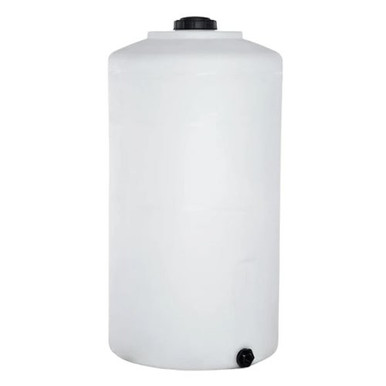
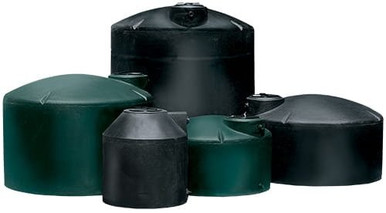
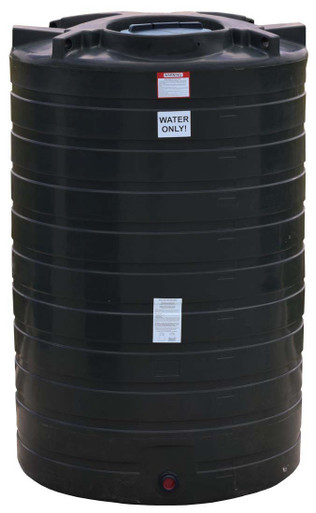
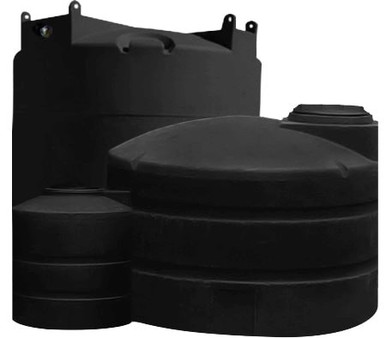
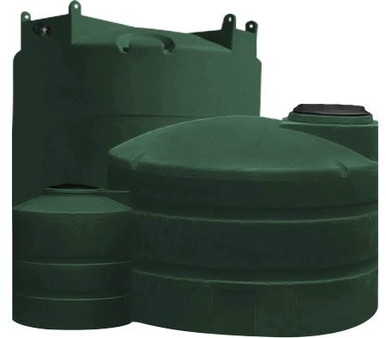
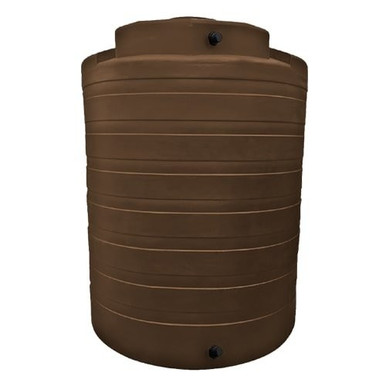
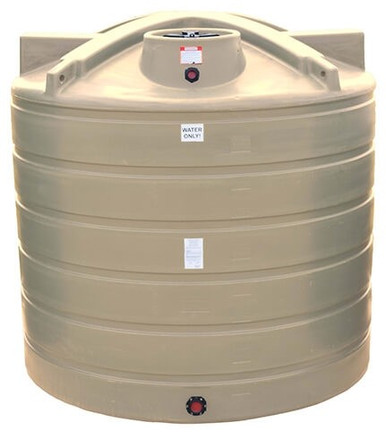
- Norwesco 1,000-gallon vertical and horizontal options across the product line — appropriate for glycol heat-transfer fluid, DEF, brine, and water service. Verify chemistry compatibility before specifying for any particular fluid.
- Norwesco 1,500 to 2,500-gallon vertical and horizontal options for mid-size process applications.
- Norwesco 5,000-gallon vertical line — at the Tier I 5,000-gallon individual-container ceiling. Above this individual capacity, the facility is excluded from Tier I template eligibility.
Inspection and Recordkeeping Cadence
SPCC-regulated facilities must conduct and document regular inspections per 40 CFR 112.8(c)(6). The minimum standard is monthly inspection of the bulk storage area, secondary containment integrity, valves and piping, and overfill prevention systems. Records must be maintained for three years and made available on request.
Periodic integrity testing is required for shop-built aboveground tanks per the manufacturer's recommendations or industry-standard practice. STI SP001 is the dominant industry standard for shop-built aboveground steel tanks; for polyethylene tanks, manufacturer-specified visual inspection cadence applies. Annual visual inspection of the polyethylene tank shell, fittings, vents, and secondary containment is the typical baseline.
Plan Update Triggers
Per 40 CFR 112.5, the SPCC plan must be reviewed at least every five years and amended within six months whenever there is a material change at the facility that affects spill potential. Material changes include adding or removing a tank, changing oil type or service, modifying secondary containment, changing transfer points or piping, or any change that materially affects the plan content.
For ag retailers expanding fuel and lubricant capacity, a typical scenario is starting at Tier I (under 5,000-gallon individual containers, under 10,000 aggregate), expanding to a single 6,000 or 10,000-gallon container, and crossing out of Tier I eligibility. The facility now requires either a Tier II self-certified plan or a full PE-certified plan depending on aggregate capacity. Plan updating must occur within six months of the capacity change.
Discharge Reporting
40 CFR 112.4 requires that any facility that has discharged more than 1,000 U.S. gallons of oil in a single discharge to navigable waters, or two discharges of more than 42 U.S. gallons each within any 12-month period, must submit information to the EPA Regional Administrator within 60 days of the discharge. The information requirements are detailed in 112.4(a) and include facility identification, oil discharge cause, corrective action taken, and additional preventive measures planned.
Note that this 1,000-gallon threshold for SPCC reporting is separate from and additional to the National Response Center (NRC) reporting obligation under CERCLA and the Clean Water Act for any oil discharge that may cause a sheen on water. The NRC reporting is immediate (call 1-800-424-8802); the EPA 60-day reporting is the SPCC-specific written notification.
State-Level Considerations
Several states have additional or supplemental aboveground petroleum storage tank (APST) regulations that overlay federal SPCC. Notable examples include Texas (TCEQ rules under 30 TAC 334), California (multiple state rules including the APSA program under California Health and Safety Code), and Florida (FDEP rules). State requirements often add registration, additional secondary containment specifications, additional inspection cadence, or additional reporting. For ag retailers operating in multiple states, the state-level overlay is often the controlling compliance layer.
For state-specific guidance, see the OneSource state-regulations pillars including Texas, California, Florida, Iowa, Illinois, Nebraska, and Kansas.
Decision Summary
- Aggregate aboveground oil storage 1,320 gallons or less? → SPCC does not apply.
- Aggregate above 1,320 but at or below 10,000 AND no individual container above 5,000 AND clean discharge history? → Tier I template plan eligible.
- Aggregate at or below 10,000 BUT individual container above 5,000 AND clean discharge history? → Tier II self-certified plan required (not templated).
- Aggregate above 10,000 OR individual container above 5,000 AND not Tier II eligible OR discharge history disqualifies? → Full PE-certified plan required.
Cross-References
For double-wall containment design under SPCC and RCRA, see the related blog post on Snyder Captor double-wall tanks. For chemical-compatibility verification on polyethylene tank inner surface in glycol, biodiesel, DEF, and used-oil service, see the chemical compatibility hub.
For SPCC-compliant double-wall tank specification, freight, and configuration on the Snyder Captor used-oil line and Norwesco aboveground polyethylene line, contact OneSource Plastics at 866-418-1777. For LTL freight quoting on tank delivery to your ag-retail facility, use the freight estimator.
Recommended Tanks for This Guide
Live pricing, updated automatically · estimate freight to your ZIP.