7750 Gallon Plastic Water Storage Tank: Complete Buyer's Guide
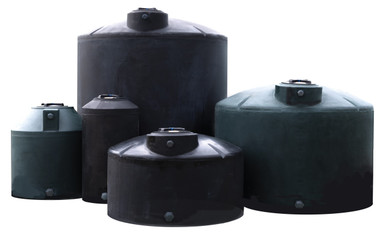
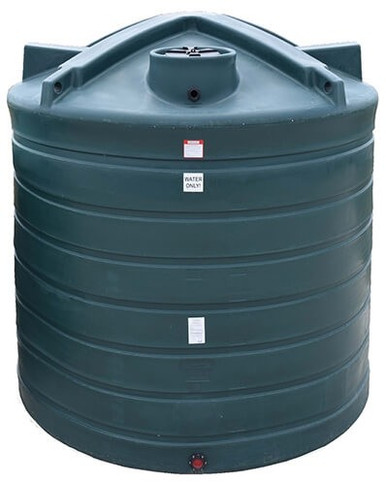
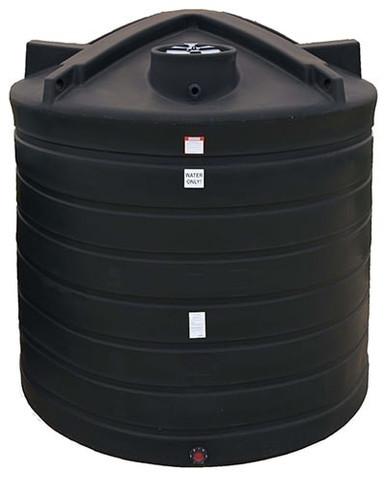
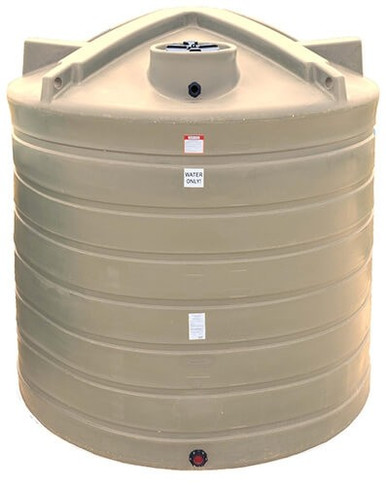
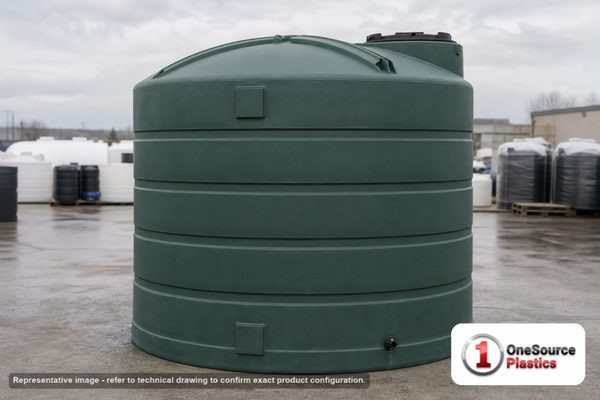
The 7,750-gallon water tank from Norwesco is large-scale potable storage for water security at a serious volume — the reserve for a small community system, a large agricultural operation, livestock supply, or fire protection. Rotomolded as a single seamless piece of FDA-compliant polyethylene, it holds a major water reserve in one above-ground vessel.
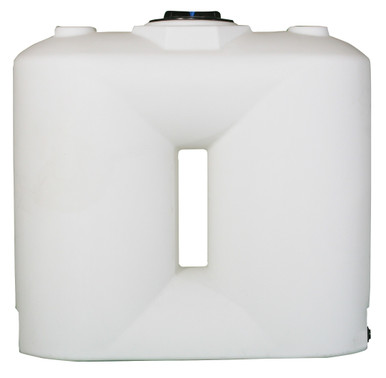
Technical Drawing
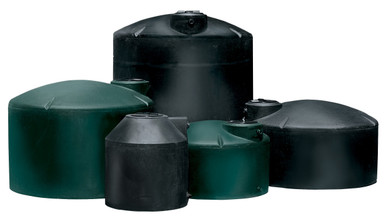
Official Norwesco technical drawing — 7750 Gallon Plastic Water Storage Tank
Specifications at a Glance
Every figure below is pulled straight from the live product record for this exact tank — the same data on the product page, so what you read here and what you buy never disagree.
Standards & Materials
- ASTM D1998 — Standard Specification for Polyethylene Upright Storage Tanks. Governs wall-thickness and hydrostatic design for vertical rotomolded poly tanks of this class.
- FDA 21 CFR 177.1520 — Olefin polymers. The food-contact regulation the FDA-grade resin in this tank is compounded to meet.
- Specific gravity rating 1.1 — the tank is engineered for liquids up to 1.1× the density of water (water is about 8.34 lb/gal). Confirm your fluid’s SG before storage.
Installation and Setup Guide
At seventy-seven hundred fifty gallons, a full tank weighs well over thirty tons of water, which puts this firmly in foundation-engineering territory. The install is a real project, and the pad is its most important element.
Site Preparation
Provide an engineered base sized for the full water load — a substantial reinforced concrete slab or an engineered compacted pad, poured or built dead level across the full footprint. The subgrade must be uniformly compacted so a large heavy tank doesn't settle unevenly, which is the chief structural risk at this scale. Choose a well-drained site so water never undermines the base, and leave generous perimeter clearance for the freight set, plumbing, and inspection access.
Placement and Connections
Connect your fill line and your distribution line, supporting all piping independently so its weight never bears on the tank fittings. Use flexible connections at the tank to absorb thermal movement — a large tank breathes with temperature, and a rigid line on a heavily loaded fitting will eventually fail. Plan safe ladder or platform access to the lid for filling and inspection, since a tank this large stands well above head height.
Venting
A large tank exchanges a big air volume during fill and draw. Fit a screened vent in the lid sized generously to your peak fill and draw flow — an undersized vent during a fast transfer can pull damaging vacuum on even a robust large tank. The screen keeps insects, debris, and small animals out of the potable reserve while the tank breathes, which is essential on a large drinking-water supply.
Maintenance and Long-Term Care
Maintaining a large potable reserve protects both the structure and a substantial drinking-water inventory. At this volume, scheduled, documented inspection is well worth the effort.
Quarterly Inspection Checklist
- Foundation and settlement: Walk the full perimeter checking that the base sits evenly with no low edge, gap, or washout. Differential settlement under a large heavy tank is the main thing to catch early.
- Wall: Scan the wall for bulging or distortion, paying particular attention to the lower region where hydrostatic load concentrates.
- Water quality: Inspect through the lid for clarity, sediment, or growth, and confirm nothing is entering the reserve through a compromised screen or seal.
- Fittings and vent: Check the inlet and outlet for weeping — a meaningful loss at this volume — and confirm the vent and screen are clear.
Cleaning and Sanitizing
Sanitize the tank at least annually. At seventy-seven hundred fifty gallons this is a planned operation: drain the tank, clean the interior (with confined-space precautions for any entry), then disinfect the walls and fittings with a chlorine solution — about a quarter cup of unscented household bleach per 15 gallons used — let it dwell a couple of hours, drain, and flush with fresh water until no chlorine odor remains. Clearing biofilm keeps a large reserve safe to drink, and any regulatory water-quality requirements for your system should be followed.
UV and Weather
Inspect the tank's exposed surfaces yearly for surface chalking. A large stored volume changes temperature slowly, which moderates thermal swings, but in cold climates manage the plumbing against freezing — exposed fittings remain vulnerable even when a large reserve resists freezing solid.
Alternatives and Comparisons
For a reserve this large, the decision is about configuration and redundancy:
One large tank versus several smaller ones: consolidating into a single 7,750-gallon vessel means one foundation, fewer fittings, and the lowest per-gallon cost. Splitting into multiple tanks lets you take part of the supply offline for cleaning or maintenance without losing the whole reserve, and contains a failure to a smaller volume. For a critical or public water supply, that redundancy is often worth the extra foundations.
Sizing the reserve: match the capacity to your worst-case outage or peak-demand scenario with margin, rather than to average use — the cost of running short on water is far higher than the cost of extra storage.
Other -Gallon Options
Frequently Asked Questions
How long will the 7750 Gallon Plastic Water Storage Tank last?
Fifteen to twenty years is realistic with an engineered, level base and normal use. At this scale, foundation performance is the dominant life factor — settlement under a large heavy tank is what shortens service. The seamless rotomolded wall has no joints to fail, so a non-settling base and routine sanitizing carry it to the upper end of the range.
What chemicals can I store in this tank?
This is a potable water tank, built from FDA-compliant polyethylene for drinking water and food-grade liquids and rated for water-density storage. It is not intended for aggressive chemicals, fuels, or solvents — those require a tank rated to a higher specific gravity and verified for the specific chemistry. Keep this one dedicated to water and water-based use, and follow any water-quality regulations that apply to your system.
Does this tank come with a warranty?
Yes — Norwesco backs it with a 3-year warranty against defects in materials and workmanship. It excludes inadequate or uneven foundations, freezing damage, and impact damage. At this scale, retain documentation of the engineered pad and installation for any claim.
Can I install this tank underground?
No — this is an above-ground water tank not engineered for burial, and a tank this large would be impractical to bury regardless. Soil pressure would deform the wall. For below-grade water storage, use a purpose-built underground cistern designed for soil load.
Buying Considerations
Buying at this scale is project planning. Confirm an engineered base for thirty-plus tons of water is in your scope, and a well-drained site with access for a large tank's freight delivery and set. Plan freeze protection for the plumbing if hard winters apply. Size the reserve to your worst-case need with margin. This is large-volume water security delivered in one vessel — call us to coordinate dedicated freight delivery and confirm you have the equipment and site access to receive and set a tank of this size.
Related Products You May Need
Questions? Call (866) 418-1777 — our team knows these products inside and out and can help you select the right tank for your application.
Recommended Tanks for This Guide
Live pricing, updated automatically · estimate freight to your ZIP.