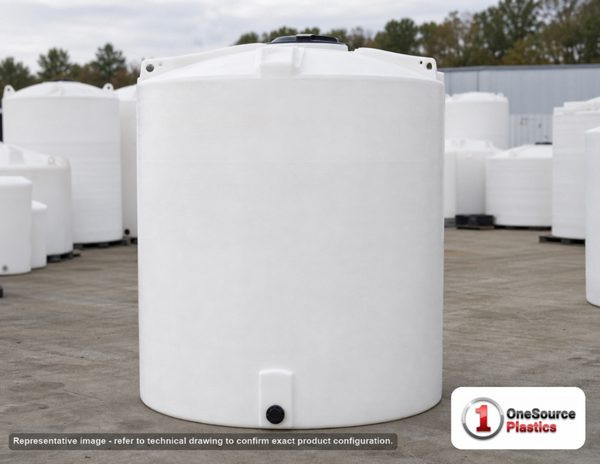
300 Gallon Doorway Water Tank - White (29" x 50"): Complete Buyer's Guide
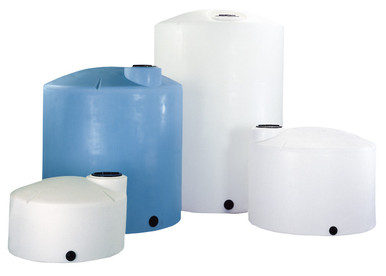
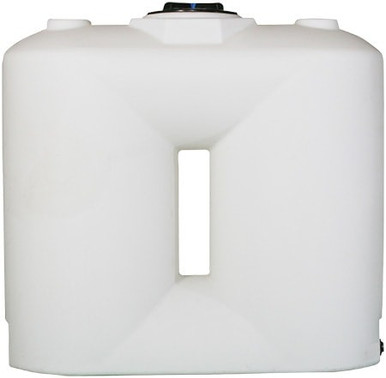
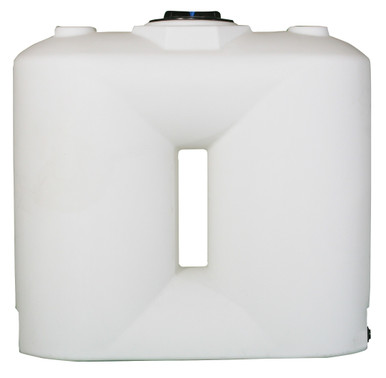
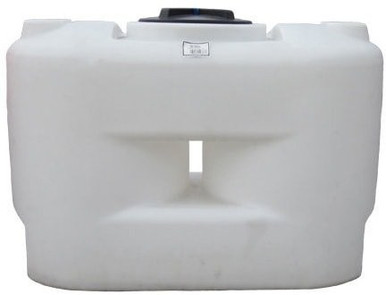
The 300-gallon doorway water tank (white, 29" x 50") is a compact indoor water reserve sized to pass through a standard door — just 29 inches wide and 50 inches tall on a 66-inch length. It holds 300 gallons of FDA-compliant potable water in a space a conventional cylinder could never reach.
Specifications at a Glance
Every figure below is pulled straight from the live product record for this exact tank — the same data on the product page, so what you read here and what you buy never disagree.
Standards & Materials
- ASTM D1998 — Standard Specification for Polyethylene Upright Storage Tanks. Governs wall-thickness and hydrostatic design for vertical rotomolded poly tanks of this class.
- FDA 21 CFR 177.1520 — Olefin polymers. The food-contact regulation the FDA-grade resin in this tank is compounded to meet.
- Specific gravity rating 1.5 — the tank is engineered for liquids up to 1.5× the density of water (water is about 8.34 lb/gal). Confirm your fluid’s SG before storage.
Product Overview
Three hundred gallons is a practical indoor reserve — enough to back up a household supply, hold a treated-water buffer, or store water where an outdoor tank isn't an option — and this doorway version is built to get there. At 29 inches wide it slips easily through a standard door frame, and at only 50 inches tall it tucks under low ceilings, in basements, or beneath stairs where a taller tank wouldn't fit. The 66-inch length carries the capacity that the narrow width gives up.
Norwesco rotomolds it as a single seamless piece of virgin linear polyethylene with FDA-compliant resin for potable and food-grade contact. The seamless wall keeps the stored water safe — no joint to leak, no crevice to harbor biofilm — and the wall is rated to a 1.5 specific gravity, giving generous structural margin over water's needs. The translucent white wall lets you read the level by eye, which suits an indoor tank you monitor visually rather than with a gauge.
The low, wide-ish proportions make this one of the more stable and easily handled doorway tanks. Empty, it weighs 129 pounds — manageable for two people to maneuver through a doorway and into position. Filled with water it carries roughly 3,882 pounds on its 66-by-29-inch footprint, a load the supporting floor must be able to carry — an important check for any indoor or upper-level placement. Maximum service temperature is 120°F.
The outlet is a 1.25-inch NPT fitting, factory-installed and leak-tested, sized appropriately for the 300-gallon volume and indoor plumbing. The 16-inch lid serves fill, vent, and inspection. Norwesco's 3-year warranty applies, and the tank ships LTL freight on a pallet, with residential delivery and liftgate available.
Technical Drawing
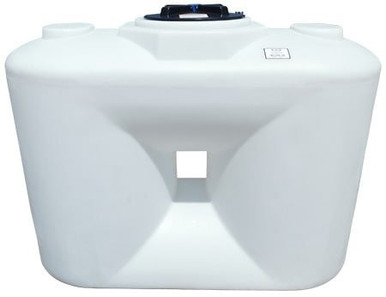
Official Norwesco technical drawing — 300 Gallon Doorway Water Tank - White (29" x 50")
Key Features and Specifications
- 300-gallon capacity — sized for tight-access indoor liquid storage
- Constructed from virgin linear polyethylene (HDPE) with 1.5 specific gravity rating — handles liquids up to 12.5 lbs/gal
- 66" long x 29" wide x 50" tall
- 129 lbs empty, approximately 3,882 lbs when full at rated specific gravity
- 1.25 NPT outlet fitting — factory installed and leak-tested
- 16" lid opening for fill, venting, and interior access
- FDA approved for potable water and food-grade liquid contact
- 3 Year Warranty from Norwesco against manufacturing defects
- Translucent white walls allow visual level monitoring without opening the tank and reflect sunlight to keep contents cooler
- Rated for continuous service up to 120 F / 48 C
- Seamless one-piece rotational molding — no seams, no welds, no leak points
- Manufactured by Norwesco — a leading name in rotomolded polyethylene tanks
- Place on a firm, level surface free of rocks or sharp objects that could damage the tank bottom. Ensure adequate ventilation if stored chemicals produce vapors
- Ships via LTL freight on a pallet — residential delivery with lift gate available
Installation and Setup Guide
Like every doorway tank, this one's install is about getting it in and confirming the floor — but its modest size makes both far easier than with a large doorway tank. The water plumbing is straightforward.
Getting It In and Floor Loading
Check your route against the tank's 29-inch width, 50-inch height, and 66-inch length — the narrow width clears a standard door comfortably, and the low height helps in tight stairwells and basements. Two people can typically handle the 129-pound empty tank. Then confirm the floor: full, it's roughly 3,882 pounds across the footprint. That's a modest load that most floors handle, but on a questionable framed floor it's still worth verifying before you fill.
Placement and Connections
Set the tank on a flat, level surface clear of debris. Connect your fill line and the 1.25-inch outlet to your indoor plumbing, using a flexible coupling at the outlet to absorb thermal movement. For indoor use, route connections and an overflow so any escaping water drains safely rather than onto the floor — a small precaution that prevents a big mess.
Venting
Fit a screened vent in the 16-inch lid sized to your fill and draw rate so the tank breathes. The screen keeps debris and insects out of the potable water, and indoors you should make sure the vent reaches enough air if the tank sits in a closed closet or alcove.
Maintenance and Long-Term Care
An indoor 300-gallon water tank is low-effort to maintain — no weather or UV exposure — with the focus on keeping the water fresh and preventing indoor leaks.
Quarterly Inspection Checklist
- Water clarity: Check the level and clarity through the translucent white wall and the lid. Indoors and out of strong light, cloudiness usually means the water has sat too long and needs refreshing.
- Fittings and floor: Inspect the 1.25-inch outlet and fill connection for any weeping — even a small indoor drip warrants prompt attention — and confirm the floor under the tank is dry and sound.
- Vent screen: Verify the vent is clear and the screen intact.
- Level base: Confirm the tank still sits level on its footprint.
Cleaning and Sanitizing
Sanitize at least annually, more often if the water sits a long time. Drain, scrub the interior through the 16-inch lid, then disinfect with a chlorine solution — about a quarter cup of unscented household bleach per 15 gallons used — let it stand a couple of hours, drain, and flush with fresh water until no chlorine odor remains. The compact size makes this quick.
Indoor Considerations
Spared UV, this tank won't chalk. Keep the space within the 120°F service limit, and in unheated areas guard against freezing — a smaller tank actually freezes faster than a large one, so a 300-gallon indoor reserve in an unheated basement needs freeze protection in cold climates. Plan drainage around the tank in case of a leak.
Alternatives and Comparisons
Pick the right shape and size for your space:
Doorway tank versus a standard vertical: if your storage spot is only reachable through a normal door or has a low ceiling, the 29-inch-wide, 50-inch-tall doorway tank fits where a cylinder can't. If you can place a tank outdoors or in an open area, a standard vertical costs less per gallon. The doorway design's value is access, not capacity.
300 versus a larger doorway tank: if 300 gallons is enough and your space or floor is limited, this size is light, low, and easy to place. If you need more reserve and have the door clearance and floor capacity, a larger doorway tank holds more on the same narrow-access principle.
Other 300-Gallon Options
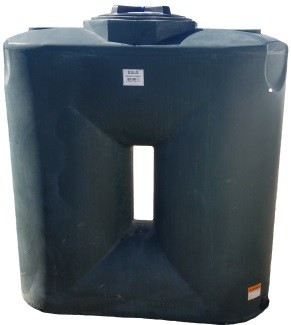
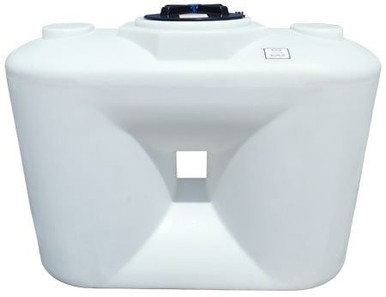
Frequently Asked Questions
How long will the 300 Gallon Doorway Water Tank - White (29" x 50") last?
Fifteen to twenty years is realistic, and indoor placement extends the practical life by removing UV and weather entirely. With a level base and routine sanitizing, the seamless rotomolded wall easily reaches the upper end of that range for a protected indoor water tank.
What chemicals can I store in this tank?
This is a potable water tank — FDA compliant for drinking water and food-grade liquids and rated to a 1.5 specific gravity, so it handles water and benign aqueous solutions with structural margin to spare. Doorway tanks are intended for water and water-based storage; never use one for fuels, solvents, or flammables, particularly indoors, and confirm compatibility before storing any chemical.
What kind of foundation does a 300-gallon tank need?
A full tank is roughly 3,882 pounds on the 66-by-29-inch footprint — a modest load most floors carry, though a questionable framed floor is still worth checking before filling. The requirement is a flat, level surface free of debris; for an indoor tank, floor capacity is the special consideration.
Does this tank come with a warranty?
Yes — Norwesco's 3-year warranty covers defects in materials and workmanship. It excludes uneven or improper installation, freezing damage, and impact damage. Keep documentation of a level install for any claim.
Can I install this tank underground?
No — this is an above-ground tank designed for interior placement, not burial; soil pressure would deform the wall. For below-grade water storage, use a purpose-built underground cistern designed for soil load.
Buying Considerations
Measure your access route against the 29-inch width, 50-inch height, and 66-inch length to confirm it reaches your space — the low height is this tank's advantage for basements and under-stair spots. Confirm the floor carries roughly 3,882 pounds full, plan for freeze protection if the space is unheated, and verify a level base. The 1.25-inch outlet suits indoor plumbing. It ships LTL on a pallet with residential and liftgate delivery available — handy since you'll move it indoors from the truck.
Related Products You May Need
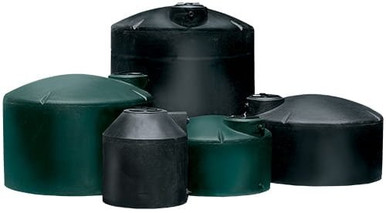
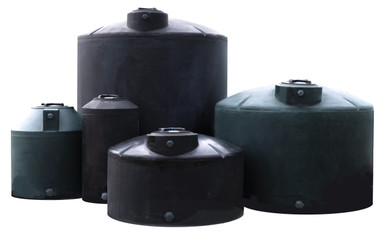
Questions? Call (866) 418-1777 — our team knows these products inside and out and can help you select the right tank for your application.
Recommended Tanks for This Guide
Live pricing, updated automatically · estimate freight to your ZIP.