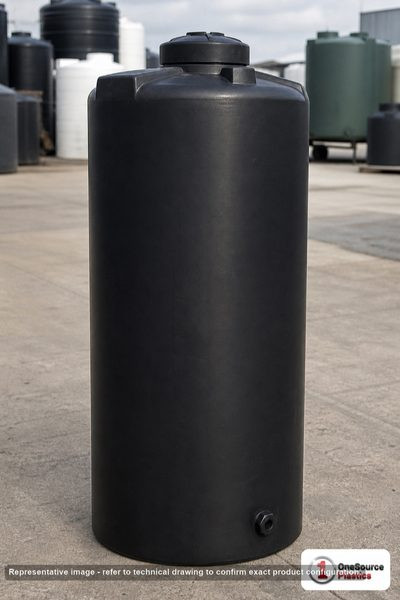
Hauling Tanks vs Stationary Tanks: When DOT 49 CFR 173 Compliance Becomes Mandatory
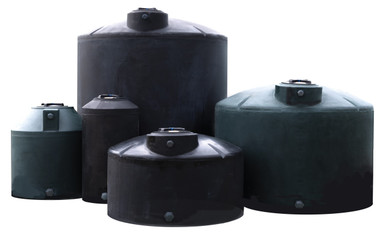
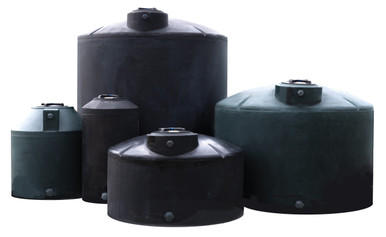
The line between a hauling tank and a stationary tank is more regulatory than physical. The same Norwesco vertical-cylinder tank that ships to a customer for stationary water-storage service can, if mounted on a trailer and used to transport a hazardous chemical, fall under DOT regulation as a transport package. The regulatory framework cares about three things: what's in the tank, where the tank goes, and how it's mounted. Get any of those wrong and you're either over-spending on a UN-rated transport package you don't need or under-complying on a transport application that needs the package.
This guide is the framework for distinguishing hauling-tank applications (DOT-regulated) from stationary-tank applications (state-regulated, NSF/ANSI/FDA-listed) and for identifying when 49 CFR 173 compliance becomes mandatory. Real Norwesco, Snyder Industries, and Chem-Tainer SKU references throughout. BC list pricing is pre-LTL freight; freight is quoted to ZIP through the Freight Cost Estimator or by phone at 866-418-1777.
The Three Regulatory Categories
Polyethylene tanks fall into three regulatory categories based on intended service:
- Stationary storage - tank lives in one place. Regulated under state and local building code, ASTM D1998 hoop-stress design, and applicable certifications (NSF/ANSI 61 for potable water, FDA approval for food contact, AWWA standards for fire-protection water).
- Mobile non-hazmat hauling - tank moves on a trailer or skid, but the contents are not DOT-classified hazmat. Most water hauling, ag spray with dilute chemistry, dust control, fire-protection mobile staging. Falls outside DOT 49 CFR but subject to state-level transport rules.
- Mobile hazmat hauling - tank moves contents that meet the DOT hazardous material definition (49 CFR 172 hazardous materials table). Subject to DOT 49 CFR Subchapter C: 49 CFR 171 General Information, 49 CFR 172 Communication Requirements (placarding, shipping papers), 49 CFR 173 Shippers - General Requirements for Shipments and Packagings, and 49 CFR 178 Specifications for Packagings.
The 49 CFR 173 Trigger
49 CFR 173 lays out general packaging requirements. Most polyethylene tanks intended for hazmat transport must be either:
- UN-marked bulk packaging (49 CFR 178 Subpart N) - polyethylene IBCs (intermediate bulk containers) up to 3,000 liter capacity, marked with UN31HA1 or similar designation. Tested per 49 CFR 178.819-820 for drop, hydrostatic, leak-proofness, and stack tests.
- UN-marked non-bulk packaging (49 CFR 178 Subparts L, M) - drums, jerricans, and similar packaging up to 119 gallons.
- Cargo tanks (49 CFR 178 Subpart J) - DOT-MC-rated tank trailers (MC-306, MC-307, MC-312, MC-331, etc.). These are typically steel or stainless and outside the polyethylene tank lineup.
The regulatory takeaway: standard rotomolded polyethylene tanks (Norwesco verticals, Snyder verticals, the low-profile hauling line) are not UN-marked for hazmat transport. They're suitable for water and non-hazmat liquid transport but cannot legally transport DOT-classified hazardous materials in commerce. For hazmat transport in polyethylene, use a UN31HA1 IBC.
What Counts as DOT Hazmat
49 CFR 172.101 publishes the Hazardous Materials Table. A material is DOT hazmat if it appears in the table. Common polyethylene-tank-relevant entries:
| Material | UN number | Hazard class | Bulk packaging note |
|---|---|---|---|
| Sulfuric acid (above 51%) | UN1830 | 8 (Corrosive) | UN31HA1 IBC required for transport |
| Sodium hydroxide (above 50%) | UN1824 | 8 (Corrosive) | UN31HA1 IBC required for transport |
| Sodium hypochlorite (above 7%) | UN1791 | 8 (Corrosive) | UN31HA1 IBC required for transport |
| Hydrochloric acid (above 1%) | UN1789 | 8 (Corrosive) | UN31HA1 IBC required for transport |
| Nitric acid (above 65%) | UN2031 | 8 (Corrosive); 5.1 (Oxidizer) at higher conc | UN31HA1 generally not approved; check SDS |
| Ferric chloride solution | UN2582 | 8 (Corrosive) | UN31HA1 IBC required for transport |
| Hydrogen peroxide (above 8%) | UN2014 (20-60%); UN2015 (>60%) | 5.1 (Oxidizer); 8 (Corrosive) | Special UN packaging - polyethylene compatible at lower conc only |
| Diesel fuel | UN1202 (DPF) or NA1993 | 3 (Combustible Liquid) | DOT-rated cargo tank or UN31HA1 for bulk; non-bulk exemptions for under 119 gal in commerce |
| Gasoline | UN1203 | 3 (Flammable Liquid) | DOT-rated cargo tank required |
| DEF (urea solution 32.5%) | UN3082 if reportable; often non-RQ | 9 (Misc) | Typically non-bulk packaging exemption applies |
| Water (potable or non-potable) | Not DOT hazmat | N/A | No DOT requirements |
| Liquid fertilizers (UAN-32, ammonium polyphosphate) | UN3082 (when applicable) | 9 (Misc) | Often non-RQ; check shipper-specific SDS |
Stationary Tank Compliance Footprint
Stationary polyethylene tanks have a different compliance picture. The relevant standards are:
- ASTM D1998 - Standard Specification for Polyethylene Upright Storage Tanks. Hoop-stress design, hydrostatic-design-stress (HDS), wall-thickness, fitting, and lid specifications. Most stationary polyethylene tanks are designed and tested per ASTM D1998.
- NSF/ANSI 61 - Drinking Water System Components, Health Effects. Required for tanks intended for potable water storage (drinking water for residential, commercial, public-supply).
- NSF/ANSI 372 - Drinking Water System Components - Lead Content. Lead-free certification for tank fittings and accessories used in potable service.
- FDA 21 CFR 177.1520 - polyethylene resin permitted for food contact. White-variant tanks using FDA-approved virgin resin can be used for food-grade liquid storage.
- AWWA D102 (steel) / AWWA D110 (concrete) / AWWA D120 (composite) - American Water Works Association standards for water storage tank construction. Polyethylene tanks for fire-protection water service often reference AWWA standards even though no D-series standard specifically covers polyethylene.
- UL 142 - Above-Ground Steel Tanks. Not applicable to polyethylene but referenced for fire-suppression and fuel storage tanks (steel only).
- State plumbing codes and building codes - vary state-by-state; reference state-specific water-tank regulation (see our State Tank Regulations hub).
Stationary tank examples
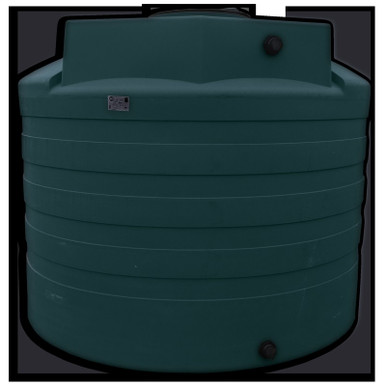
- Norwesco N-44968 - 1250 gallon vertical, FDA approved white polyethylene, ASTM D1998 compliant. Stationary water/chemical storage. Not transportable in commerce as DOT hazmat package.
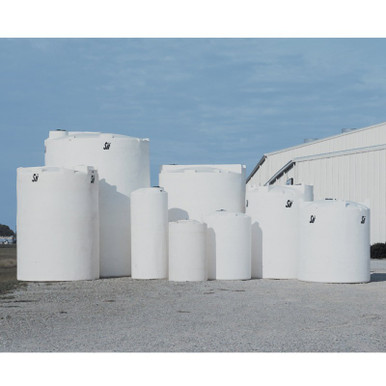
- Snyder cone-bottom verticals (multiple SKUs) - ASTM D1998 design, often NSF/ANSI 61 listed for potable water service.
- Chem-Tainer chemical storage tanks (TC- prefix SKUs) - ASTM D1998 design, FDA-approved resin, designed for stationary chemical storage. Not transportable as DOT hazmat package.
The Decision Tree
The key questions for selecting between hauling and stationary, with the regulatory implications:
Question 1: Is the tank moving in commerce with hazmat-classified contents?
If yes, you need a UN-marked transport package (UN31HA1 IBC, UN3H1 drum, or DOT cargo tank). Standard polyethylene tanks (Norwesco/Snyder verticals, low-profile hauling line) are not UN-marked and cannot legally transport hazmat.
If no (water, food-grade liquid, dilute ag chemistry below RQ, fire-suppression water), proceed to Question 2.
Question 2: Is the tank moving at all?
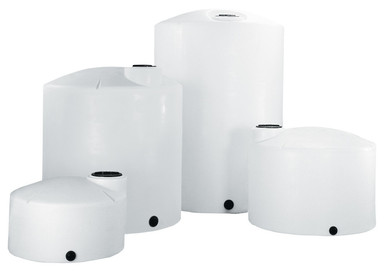
If yes, the Norwesco low-profile hauling line (N-40756, N-41392, N-43013, N-40912) and the Norwesco hauling flat bottom utility tank line (4,200 gallon white and blue HDPE variants) are the standard catalog. Designed for trailer-mount, with molded-in baffles, integrated tie-down hoops, and standard fittings.
If no, the standard vertical, horizontal, leg, doorway, and cone-bottom catalogs apply. Choose by use-case geometry per the Norwesco Geometry Selection guide.
Question 3: Is the tank for potable water service?
If yes, the SKU must be NSF/ANSI 61 listed. Many Norwesco verticals carry the listing; verify per spec sheet.
If no, NSF/ANSI 61 is not required.
Question 4: Is the tank in seismic territory and over 1,000 gallons?
If yes, ASCE 7-22 Chapter 15 seismic-design provisions apply, and the tank-stand-anchor system must be designed per IBC/ASCE seismic category. See Stand Selection Decision Tree for seismic stand options.
Ag Chemistry: A Common Edge Case
Agricultural spray operations frequently transport dilute herbicides, pesticides, and fertilizers in non-UN-rated polyethylene tanks, on trailers behind farm vehicles. The regulatory analysis:
- Diluted spray solution (the working solution applied to crops) is typically below the reportable-quantity threshold and not DOT-regulated.
- Concentrated chemistry (the pre-dilution concentrate from the chemical supplier) often is DOT-regulated and must move in UN-marked packaging or DOT cargo tanks.
- Materials of trade (49 CFR 173.6) exemption can apply to small quantities of agricultural chemicals being transported by the user (not as a commercial freight operation). The exemption has specific limits on quantity, packaging, and operational scope.
- State agricultural exemptions vary - many states provide farm-vehicle exemptions for transporting ag chemistry on the operator's own farm property. Off-farm transport often requires CDL with hazmat endorsement.
The Norwesco low-profile hauling tanks (N-40756, N-41392) are commonly used for the working-solution transport (dilute chemistry, working concentrations). For concentrate transport, use UN31HA1-marked IBCs.
Fuel: Why Polyethylene Is Limited
For diesel and DEF transport, the polyethylene tank market provides specialized SKUs:
- DEF storage tanks - non-DOT-regulated for typical commercial DEF (urea 32.5% solution, UN3082 when reportable, often non-RQ). Standard polyethylene DEF tanks suffice for stationary storage and short-haul transport in non-commerce contexts.
- Diesel fuel transport tanks - require UN-rated polyethylene IBCs (UN31HA1) for over 119 gallons in commerce. Standard rotomolded polyethylene tanks are not approved for fuel transport in commerce. Note: the 119-gallon non-bulk threshold applies; below that, non-bulk packaging exemptions may apply for specific transport contexts.
- Gasoline - generally not stored or transported in standard polyethylene tanks. Gasoline volatility and DOT classification effectively exclude polyethylene from this market segment.
For fuel transport applications, refer to the dedicated DEF/fuel storage line (multiple manufacturers including dedicated UN-IBC suppliers). Stationary fuel storage above-ground typically uses UL-142 steel tanks with secondary containment.
Recordkeeping and Compliance Documentation
For tanks falling under DOT 49 CFR (hazmat transport):
- Shipping papers (49 CFR 172 Subpart C) - required for each shipment.
- Placarding (49 CFR 172 Subpart F) - required for vehicles carrying placardable quantities.
- Hazmat employee training (49 CFR 172 Subpart H) - required for employees handling hazmat. Initial training plus 3-year refresher.
- Hazmat registration (49 CFR 107 Subpart G) - annual registration with DOT for hazmat shippers/carriers above the registration threshold.
- Emergency response information (49 CFR 172 Subpart G) - 24-hour emergency contact information accompanying shipping papers.
For stationary tanks, recordkeeping is simpler - the operator's compliance is with state building/plumbing code, fire marshal sign-off (for fire-protection water tanks), and applicable industry standards. Annual/periodic inspection per state requirements; many states require water-tank inspection on a 3-to-5 year cycle for public-water supply.
Common Compliance Mistakes
Mistake 1: Hauling concentrated chemistry in a non-UN tank
The Norwesco low-profile hauling tank is rated for SG 1.5 fluid and designed for transport. But it is not UN-marked. Hauling concentrated sulfuric acid, sodium hydroxide, or sodium hypochlorite in this tank is a 49 CFR violation. Use UN31HA1 IBCs for concentrated chemistry transport.
Mistake 2: Treating "dilute" as automatically non-hazmat
Some materials retain DOT classification even at relatively dilute concentration. Sulfuric acid above 51% is UN1830. Hydrochloric acid above 1% is UN1789. Always check the SDS and 49 CFR 172.101 for the specific concentration threshold before assuming non-hazmat.
Mistake 3: Missing the bulk vs non-bulk distinction
Non-bulk packaging exemptions (under 119 gallons) sometimes allow polyethylene tanks that would not qualify at bulk volumes. The exemption pathway is specific - reference 49 CFR 173.150-173.225 for the relevant non-bulk authorizations and ensure the operational context fits the exemption.
Mistake 4: Ignoring state-specific transport rules
Some states have specific transport rules beyond DOT minimums. California's CHP and CDTFA have additional requirements for in-state transport of certain commodities. Verify state requirements before commencing transport operations.
Internal Resources
- Norwesco Low-Profile Hauling Series Guide
- DEF Storage Tank Selection ISO 22241 Deep Dive
- Industrial Pretreatment 40 CFR 403 Compliance
- State Tank Regulations Hub
- Freight Cost Estimator
Order Process
Send the intended use (stationary vs hauling), the contents (water, food, chemistry, fuel), the transport context (in-commerce vs on-property, in-state vs interstate), and the volume to [email protected] or call 866-418-1777. We'll cross-reference your application against the regulatory framework, recommend the right SKU (stationary, low-profile hauling, or UN-IBC), and quote plus LTL freight to ZIP.
Source Citations
- 49 CFR 171 - General Information, Regulations, and Definitions
- 49 CFR 172 - Hazardous Materials Tables, Special Provisions, Hazardous Materials Communications, Emergency Response Information, Training Requirements, and Security Plans
- 49 CFR 173 - Shippers - General Requirements for Shipments and Packagings
- 49 CFR 178 - Specifications for Packagings
- ASTM D1998 - Polyethylene Upright Storage Tanks
- NSF/ANSI 61 - Drinking Water System Components, Health Effects
- NSF/ANSI 372 - Drinking Water System Components - Lead Content
- FDA 21 CFR 177.1520 - Olefin polymers permitted for food contact
- UL 142 - Above-Ground Steel Tanks (referenced for fuel storage)
- OneSource Plastics master catalog data, 2026-03-26 snapshot
Related chemical compatibility resources
For deeper engineering specifications on the chemicals discussed above, see our chemical-compatibility pillars:
- DEF (Diesel Exhaust Fluid) — storage compatibility, recommended resin grade, fittings, secondary containment.
- Sulfuric Acid — storage compatibility, recommended resin grade, fittings, secondary containment.
- Hydrochloric Acid — storage compatibility, recommended resin grade, fittings, secondary containment.
- Sodium Hydroxide — storage compatibility, recommended resin grade, fittings, secondary containment.
Recommended Tanks for This Guide
Live pricing, updated automatically · estimate freight to your ZIP.