250 Gallon Doorway Water Tank - White (29" x 44"): Complete Buyer's Guide
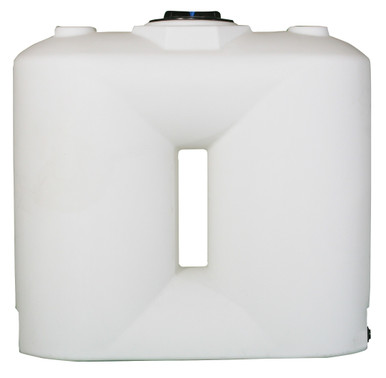
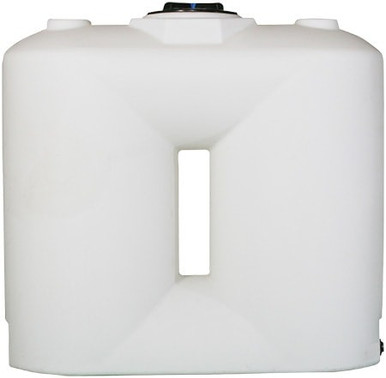
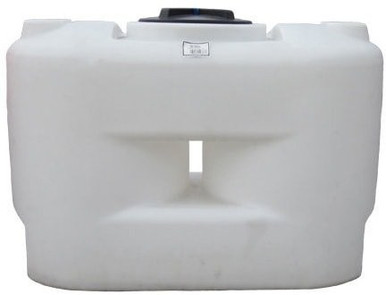
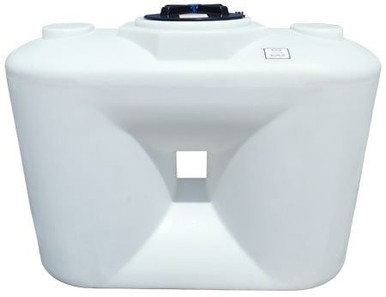
250-gallon white doorway tank built for tight-access indoor liquid storage. Manufactured by Norwesco from virgin linear polyethylene (HDPE) rated to handle liquids up to 12.5 pounds per gallon. FDA approved for contact with potable water, ensuring safe storage for drinking water and food-grade liquids.
Specifications at a Glance
Every figure below is pulled straight from the live product record for this exact tank — the same data on the product page, so what you read here and what you buy never disagree.
Standards & Materials
- ASTM D1998 — Standard Specification for Polyethylene Upright Storage Tanks. Governs wall-thickness and hydrostatic design for vertical rotomolded poly tanks of this class.
- FDA 21 CFR 177.1520 — Olefin polymers. The food-contact regulation the FDA-grade resin in this tank is compounded to meet.
- Specific gravity rating 1.5 — the tank is engineered for liquids up to 1.5× the density of water (water is about 8.34 lb/gal). Confirm your fluid’s SG before storage.
Product Overview
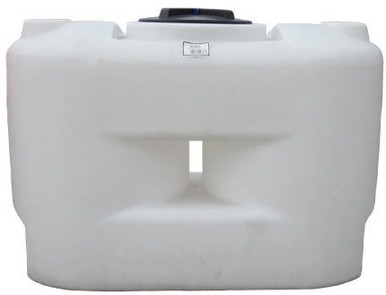
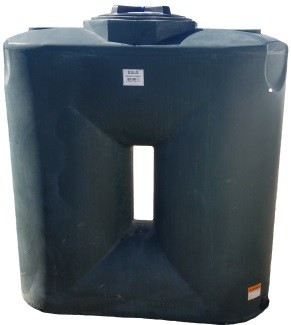
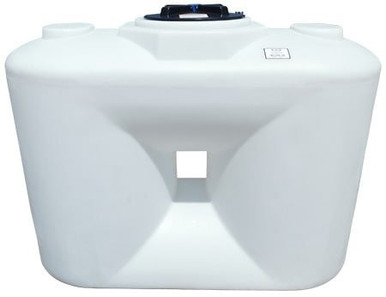
The 250 Gallon Doorway Water Tank in white is engineered around a single defining measurement — a 29-inch width that clears a standard interior doorway — so the tank can be moved into a basement, garage, utility room, or greenhouse instead of being stranded outdoors. Standing 44 inches tall, it banks a genuine 250-gallon reserve in a footprint that fits where bulk tanks never could.
It is rotationally molded as one continuous piece of virgin linear polyethylene, leaving no seam or weld in the wall to fail. The white shell is translucent enough to read the water level at a glance without opening the lid, which is a real convenience for an indoor reserve you check often. Rotomolded construction means the same proven, low-maintenance vessel as the larger tanks, simply sized and shaped to go indoors.
Empty, the tank is light enough for two people to position; the doorway form factor is built to be wheeled and maneuvered through tight interior routes. A factory NPT outlet feeds your plumbing and the lid provides access for filling, venting, and a level sensor. Like every tank we ship, it is inspected at the factory and again before it leaves our facility.
Key Features and Specifications
- 250-gallon capacity — sized for tight-access indoor liquid storage
- Constructed from virgin linear polyethylene (HDPE) with 1.5 specific gravity rating — handles liquids up to 12.5 lbs/gal
- 62" long x 29" wide x 44" tall
- 99 lbs empty, approximately 3,226 lbs when full at rated specific gravity
- 1.25 NPT outlet fitting — factory installed and leak-tested
- 16" lid opening for fill, venting, and interior access
- FDA approved for potable water and food-grade liquid contact
- 3 Year Warranty from Norwesco against manufacturing defects
- Translucent white walls allow visual level monitoring without opening the tank and reflect sunlight to keep contents cooler
- Rated for continuous service up to 120 F / 48 C
- Seamless one-piece rotational molding — no seams, no welds, no leak points
- Manufactured by Norwesco — a leading name in rotomolded polyethylene tanks
- Place on a firm, level surface free of rocks or sharp objects that could damage the tank bottom. Ensure adequate ventilation if stored chemicals produce vapors
- Ships via LTL freight on a pallet — residential delivery with lift gate available
Installation and Setup Guide
Begin this install with a tape measure, not a wrench: the 29-inch width exists to pass a standard 30-inch doorway, but the rest of the route matters just as much. Measure every door, hallway turn, and stair the tank must travel from the truck to its final indoor home, and confirm a 29-inch body and 44-inch height will clear the lowest header and tightest corner. The doorway design only pays off if the whole path passes.
Site Preparation
Set the tank on a flat surface rated for the load once it is inside. A full 250-gallon water tank is over two thousand pounds, so a concrete slab is ideal and any framed floor should be verified against that weight before filling. Level the base so the translucent 44-inch body sits true — a tank that leans loads one side of its wall unevenly, indoors or out.
Placement and Connections
Indoor plumbing is best kept short and clean. Run the discharge off the factory outlet, tie the first segment in with a flexible connector so the tank can shift slightly as it fills without straining the bulkhead, and route the line directly to what it serves. Hand-tighten the fittings a quarter turn past snug; the cramped angles of an indoor install are exactly where a wrench cracks poly threads.
Venting
An enclosed tank needs to breathe freely. Keep the lid vent open and screened so air flows in as you draw the level down and out as you fill — a sealed tank in a closed room can dish inward under a brisk pump-out. The translucent wall lets you watch the level fall, but the vent is what keeps the shell from deforming as it does.
Maintenance and Long-Term Care
Because it lives indoors, this 250-gallon doorway tank is one of the easiest reserves to keep in good order — no weather, no UV, and the translucent wall lets you monitor the water without even opening it. The routine below keeps the supply fresh and the access route ready.
Quarterly Inspection Checklist
- Level read: The translucent white wall lets you check both the water level and the body for any bulge in a single glance.
- Outlet feel: Hand-snug the factory outlet if it has crept loose, and keep wrenches away from the threads.
- Floor check: Confirm the indoor surface still fully supports the load with no sag or moisture beneath the tank.
- Vent clearance: Make sure the screened lid vent is open so the enclosed tank breathes in both directions.
Cleaning
Drain the 250 gallons through the outlet once a year, rinse, and sanitize on the refill with about a quarter cup of unscented bleach per fifteen gallons, holding two hours before flushing the chlorine away. The translucent wall makes it easy to see when the tank is fully drained and when the refill runs clear, which takes the guesswork out of the annual reset for an indoor potable supply.
UV and Weather Protection
Indoors, this tank is shielded from the sunlight that ages outdoor tanks, so UV is essentially a non-issue and the white translucent wall stays sound for years. The one thing to watch is a bright window or greenhouse spot, where prolonged direct light could reach the translucent shell; in an ordinary basement or garage, there is nothing to manage.
Alternatives and Comparisons
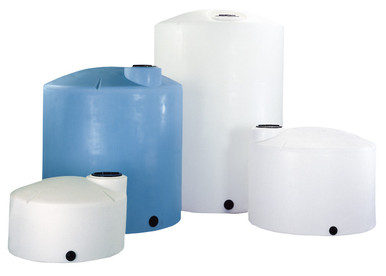
This 250-gallon doorway tank in translucent white pairs through-the-door access with at-a-glance level monitoring. If the route allows a larger tank, the 300- and 500-gallon doorway models add reserve while keeping standard-door clearance; if you can store outdoors, wider tanks hold far more. The right pick is set by your narrowest opening, then by capacity.
Doorway/Slimline vs. Standard: Doorway tanks sacrifice some structural efficiency for a narrow profile that fits through standard 32-inch doors. The rectangular footprint is less structurally efficient than a cylinder, so wall thickness is heavier for the same capacity. If you don't need to move the tank through a doorway, a standard vertical tank gives you more capacity per pound of material.
Other 250-Gallon Options
Frequently Asked Questions
How long will the 250 Gallon Doorway Water Tank - White (29" x 44") last?
Indoors and out of the weather, this 250-gallon doorway tank comfortably lasts well past fifteen years; shelter from UV and freeze is the main reason. The seamless wall has no weld to open and the translucent white resin holds up well away from direct sun. Sun exposure and incompatible contents are what shorten any tank's life, and both are easy to avoid indoors.
What chemicals can I store in this tank?
It is built for potable water and food-grade liquids — the standard role for an indoor reserve. Keep fuels, solvents, and flammables out entirely, which matters all the more in an enclosed space, and verify any other liquid on a poly compatibility chart, since most acids and bases are fine but certain oxidizers attack polyethylene.
What kind of foundation does a 250-gallon tank need?
For an indoor 250-gallon tank, the 'foundation' is simply a flat surface rated for a full load of roughly two thousand pounds. A concrete slab handles that with ease; a wood-framed floor should be checked against the weight before filling. Keep the base level so the body sits true.
Does this tank come with a warranty?
Yes — the tank carries the manufacturer's warranty against defects in materials and workmanship under normal use. The coverage is for factory faults, not chemical attack, impact, or storage on inadequate support. Tuck away your receipt and an install photo so any claim goes smoothly.
Can I install this tank underground?
No. This is an above-ground doorway tank; its flat wall cannot resist soil pressure and burying it would collapse it and void the warranty. The whole advantage of this tank is going indoors — for below-grade storage use a ribbed underground cistern designed for burial.
Buying Considerations
Measure the access route before ordering — every door, turn, and header the 29-inch body must clear — and confirm the indoor floor is rated for a full tank's weight. Place it near the plumbing it feeds, and take advantage of the translucent wall by siting it where you can see the level easily.
Related Products You May Need
Questions? Call (866) 418-1777 — our team knows these products inside and out and can help you select the right tank for your application.
Recommended Tanks for This Guide
Live pricing, updated automatically · estimate freight to your ZIP.