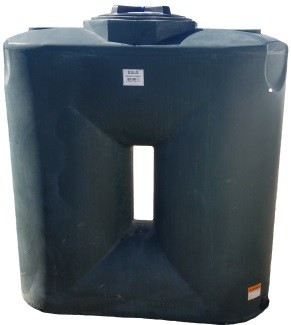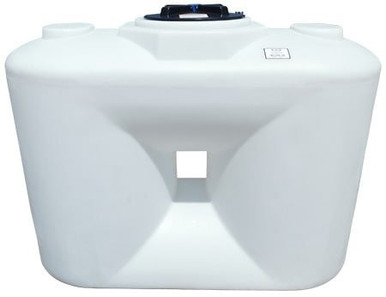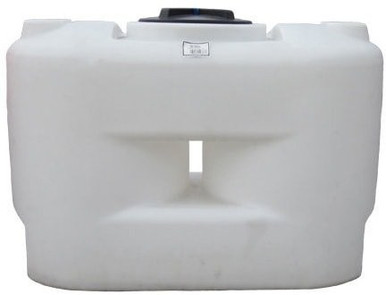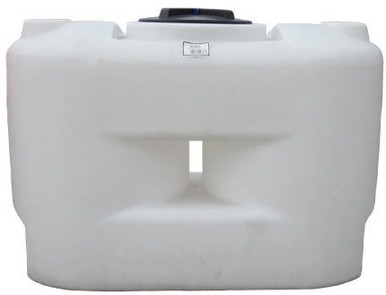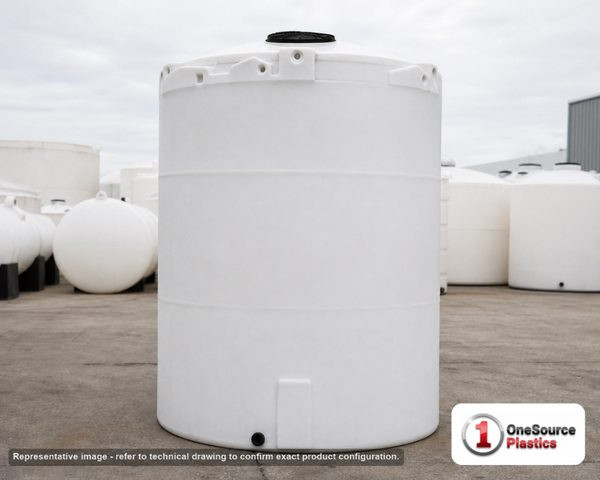
300 Gallon Doorway Water Tank - Natural White (29" x 50"): Complete Buyer's Guide
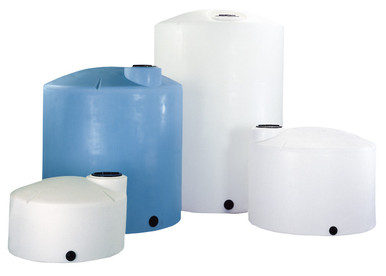
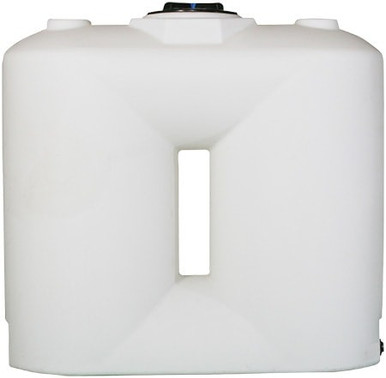
300 Gallon Doorway Water Tank - Natural White (29" x 50") from Norwesco.
Technical Drawing
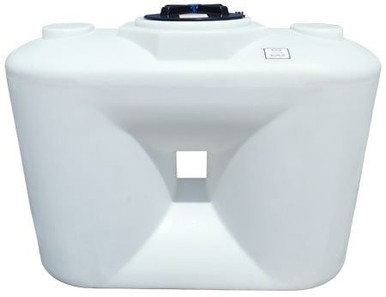
Official Norwesco technical drawing — 300 Gallon Doorway Water Tank - Natural White (29" x 50")
Specifications at a Glance
Every figure below is pulled straight from the live product record for this exact tank — the same data on the product page, so what you read here and what you buy never disagree.
Standards & Materials
- ASTM D1998 — Standard Specification for Polyethylene Upright Storage Tanks. Governs wall-thickness and hydrostatic design for vertical rotomolded poly tanks of this class.
- FDA 21 CFR 177.1520 — Olefin polymers. The food-contact regulation the FDA-grade resin in this tank is compounded to meet.
- Specific gravity rating 1.5 — the tank is engineered for liquids up to 1.5× the density of water (water is about 8.34 lb/gal). Confirm your fluid’s SG before storage.
Installation and Setup Guide
This 300-gallon doorway tank keeps the same 29-inch passing width as its smaller siblings but stands a little taller at 50 inches, banking more water without giving up the ability to roll through a standard door. As with any doorway tank, plan the move before the placement: walk the full route from truck to final spot and confirm that doors, corners, and any stairs will clear a 29-inch body — the extra height does not change the width, but it can matter for low headers and tight turns.
Site Preparation
Indoors, set the tank on a flat surface rated for the load. Three hundred gallons of water is roughly twenty-five hundred pounds, so a basement slab is ideal and any wood-framed floor should be checked against that weight before you fill. Level the base so the 50-inch body sits true; a tank that leans in a tight indoor corner loads one side of its wall harder than the rest.
Placement and Connections
Keep the plumbing compact, as indoor installs usually demand. Take the discharge off the lowest fitting, join the first run with a flexible connector so the tank can move slightly without stressing the bulkhead, and route the line cleanly to whatever it serves. Hand-tighten every fitting and add only a quarter turn — the confined space of an indoor job is where people over-torque poly threads and crack them.
Venting
Venting is especially important for an enclosed tank. Keep the lid vent open and screened so air flows in as the level drops and out as you fill; a sealed tank in a closed utility room can dish inward under a hard draw-down. The screen keeps an indoor potable supply clean from dust while letting the tank breathe freely.
Maintenance and Long-Term Care
Sheltered indoors, a 300-gallon doorway tank is among the lowest-maintenance reserves you can own — no sun, no freeze, and the tank within arm's reach. The routine is mostly about keeping the water fresh and the access path clear.
Quarterly Inspection Checklist
- Shell check: Glance over the 50-inch body for bulging or weeping; an accessible indoor tank makes this a thirty-second habit.
- Fitting feel: Hand-snug the outlet if it has crept loose, and keep wrenches away from the poly threads.
- Support check: Confirm the indoor floor or platform still carries the full load with no sagging or moisture beneath it.
- Vent clearance: Verify the screened vent is open so an enclosed tank breathes properly.
Cleaning
Empty the 300 gallons through the bottom outlet once a year, rinse, then sanitize on the refill with roughly a quarter cup of unscented bleach per fifteen gallons, two hours of contact, then flush until the chlorine note clears. Indoor cleaning is straightforward, but the sheltered tank turns over slowly, so the annual sanitize is what keeps the supply drinkable rather than flat.
UV and Weather Protection
Living indoors, this tank sidesteps the UV exposure that wears down outdoor tanks — one of the quiet advantages of the doorway design. The only caveat is a sunny window or greenhouse setting; in an ordinary basement or garage, sunlight simply is not a factor in its lifespan.
Alternatives and Comparisons
At 300 gallons, this doorway tank adds reserve over the 250-gallon model while keeping the same 29-inch access width, and the 500-gallon doorway tank pushes that further still. If you can store outdoors, a wider yard tank holds far more water; the doorway versions exist for one reason — getting real capacity into a space a bulk tank could never reach.
Doorway/Slimline vs. Standard: Doorway tanks sacrifice some structural efficiency for a narrow profile that fits through standard 32-inch doors. The rectangular footprint is less structurally efficient than a cylinder, so wall thickness is heavier for the same capacity. If you don't need to move the tank through a doorway, a standard vertical tank gives you more capacity per pound of material.
Other -Gallon Options
Frequently Asked Questions
How long will the 300 Gallon Doorway Water Tank - Natural White (29" x 50") last?
Indoors and out of the elements, a 300-gallon doorway tank comfortably lasts well past fifteen years; shelter from UV and freezing is the single biggest reason these tanks age so slowly. The seamless wall has no weld to open, and the usual life-shorteners — sun and incompatible contents — are easy to avoid in an indoor install.
What chemicals can I store in this tank?
It is built for potable water and food-grade liquids, the standard role for an indoor reserve. Keep fuels, solvents, and flammables out entirely — critical in an enclosed room — and verify any other liquid on a poly compatibility chart, since polyethylene handles most acids and bases but not certain oxidizers.
Does this tank come with a warranty?
Yes — under normal use, the manufacturer warrants it against material and workmanship defects. That protects against factory faults, not chemical attack, impact, or storing it on inadequate support. Save the receipt plus an install photo in case a claim arises.
Can I install this tank underground?
No. This is an above-ground doorway tank; its flat wall cannot take soil pressure and burying it would crush it and void the warranty. Its strength is indoor placement — for below-grade needs, choose a ribbed underground cistern engineered for burial.
Buying Considerations
Confirm the 29-inch body clears every door, turn, and header on the route in, that the indoor floor is rated for a full tank's weight, and that the spot is close to the plumbing it serves. The taller 50-inch body holds more than the 250-gallon model in the same footprint, so check overhead clearance at the final location too.
Related Products You May Need
Questions? Call (866) 418-1777 — our team knows these products inside and out and can help you select the right tank for your application.
Recommended Tanks for This Guide
Live pricing, updated automatically · estimate freight to your ZIP.