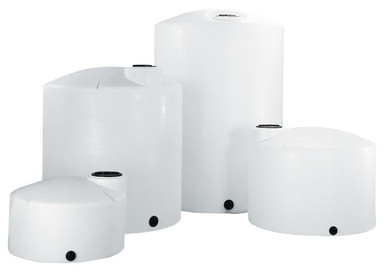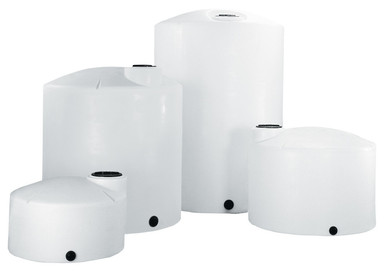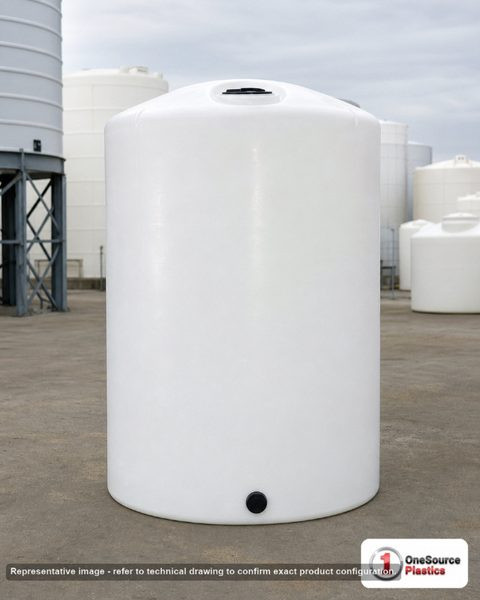
3000 Gallon Vertical Liquid Storage Tank - Natural White: Complete Buyer's Guide

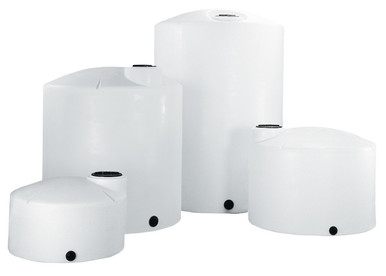

3000 Gallon Vertical Liquid Storage Tank - Natural White from Norwesco.
Specifications at a Glance
Every figure below is pulled straight from the live product record for this exact tank — the same data on the product page, so what you read here and what you buy never disagree.
Standards & Materials
- Specific gravity rating 1.5 — the tank is engineered for liquids up to 1.5× the density of water (water is about 8.34 lb/gal). Confirm your fluid’s SG before storage.
Installation and Setup Guide
A 3,000-gallon vertical liquid tank is a substantial bulk chemical vessel, and full of a heavy 1.5-density product it can weigh on the order of eighteen tons. Everything about the installation follows from that figure: this is a poured-foundation, forklift-set project, not a tank you roll into place.
The Foundation Comes First
Have a structural professional design a reinforced concrete slab for the tank's full loaded weight, brought flat across the entire base. For chemical duty the slab should serve as secondary containment, curbed to capture the volume your local regulations require. Cure it completely before the first fill, and slope the surrounding grade so that any spill or rainwater drains to containment rather than spreading across the yard.
Plumbing for Chemicals
Use schedule 80 PVC or stainless rated for your chemistry on the outlet, keep the first foot flexible so the wall can move with temperature, and fit a full-port chemical-service valve. Carry every pipe run on independent supports so its weight never loads the tank fitting, and choose connection hardware your product will not attack.
Venting
Fit a pressure/vacuum relief vent rated for your chemical and sized to the transfer rates you will run. At three thousand gallons, the volumes of air moving in and out during fills and draws are large, and an undersized or fouled vent risks both wall deformation and a vapor hazard. Match the vent to the product, not to convenience.
Maintenance and Long-Term Care
This bulk chemical tank is maintained for containment and compatibility, with structural surveillance appropriate to the many tons it carries when full.
Inspection Routine
- Containment slab: Examine the foundation for cracks and settlement on a regular cycle; under this weight a settling section reshapes the load path through the tank.
- Wall: Inspect the full height for bulging or stress whitening, focusing low on the wall where hydrostatic pressure is greatest, and watch for any swelling that points to a borderline-compatible chemical.
- Fittings and vent: Check the outlet and valve for weeping or etching, hand-snug crept threads, and confirm the relief vent is clear and rated for the stored product.
Product Changes
Drain fully, decontaminate to the incoming chemical's specification, and verify the new product on a polyethylene compatibility chart before refilling. A film of the previous chemistry can react with the next, so the compatibility check is not optional. The tank has no potable role; cleaning is about compatibility and carryover control.
UV and Heat
The compounded UV package protects the wall through years of outdoor exposure; inspect the sun-facing side annually in high-UV regions. A reflective light wall helps moderate the internal temperature of a large tank in summer sun, keeping volatile products' vapor pressure in check.
Alternatives and Comparisons
At 3,000 gallons the meaningful comparison is whether to consolidate in one large chemical tank or split storage across vessels.
One large tank vs. a pair of medium tanks: A single 3,000-gallon liquid tank offers the best cost per gallon and the simplest plumbing for a steady, high-volume chemical, but it must be drained and decontaminated whenever you switch products. Two 1,500-gallon tanks cost more per gallon and use more pad, yet they let you store two chemistries simultaneously and clean one while the other stays in service. Choose the single tank for one dominant product; choose the pair for flexibility across chemistries.
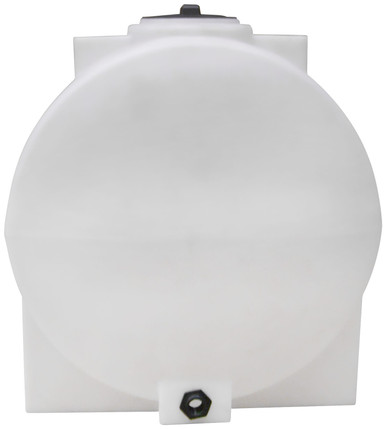
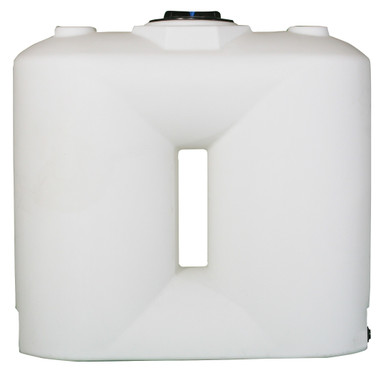
Other -Gallon Options
Frequently Asked Questions
How long will the 3000 Gallon Vertical Liquid Storage Tank - Natural White last?
On an engineered, level containment slab and within normal polyethylene density and temperature limits, this tank typically serves 15 to 20 years in bulk chemical duty. The seamless body has no weld to fail and the molded-in UV package handles sustained sun. What shortens the span is incompatible chemistry, exceeding the rated density, or a foundation that settles under the heavy load.
What chemicals can I store in this tank?
It is intended for general chemical service and handles most liquid fertilizers, crop-protection chemicals, and industrial solutions. Verify each product on a polyethylene compatibility chart before filling, as the resin resists many acids and bases but not certain solvents and oxidizers. It is not for fuels or flammables, and it is a chemical-storage tank, not a potable-water vessel.
Does this tank come with a warranty?
Norwesco backs the tank against manufacturing defects in materials and workmanship under normal use — molded-in faults rather than damage from incompatible chemicals, exceeding the rated density, an inadequate foundation, or impact. Retain your documentation and installation photos, and contact us for the specific coverage terms.
Can I install this tank underground?
No. A vertical tank of this scale is engineered for above-ground service and cannot withstand soil pressure; burying it would collapse the tank and void coverage. Below-grade storage calls for our reinforced underground cistern or septic products, built for that load.
Buying Considerations
Three things to confirm before this 3,000-gallon liquid tank ships. First, the engineered foundation: a reinforced containment slab designed by a structural professional for the tank's full loaded weight and brought level. Second, your chemistry, checked against a polyethylene compatibility chart, since the density rating covers most but not all agricultural and industrial liquids. Third, freight and access — the tank ships oversized on a dedicated carrier and needs a forklift to set, with a clear path to the pad. Listed at $3,300.00 before freight, quoted to your ZIP.
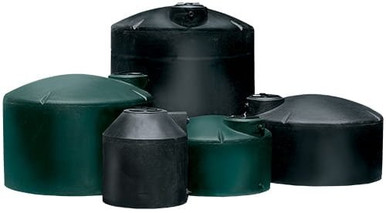
Related Products You May Need
Questions? Call (866) 418-1777 — our team knows these products inside and out and can help you select the right tank for your application.
Recommended Tanks for This Guide
Live pricing, updated automatically · estimate freight to your ZIP.