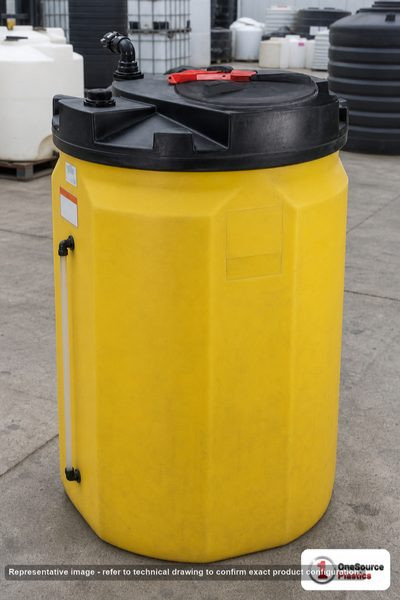
Tank Top Access Cover Engineering: Hinged Versus Gasketed Versus Latched Versus Lockable Manway Lid Selection by Service, Frequency, Tampering Risk, and the Compliance Triggers That Require Specific Closure Hardware
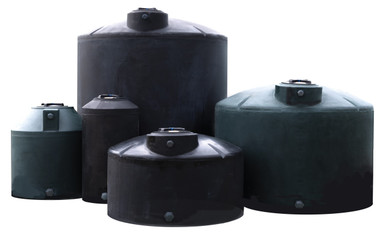
The top access cover (manway lid) on a polyethylene bulk storage tank is a deceptively important specification. Multiple lid styles span the price range from inexpensive press-fit lids on small tanks to factory-installed bolted gasketed lids with locking hardware on hazardous-chemistry installations. The lid selection determines the access frequency tolerance, the vapor and rain ingress resistance, the security against unauthorized opening, and the regulatory compliance posture for the tank. A poor lid selection produces operational headaches (slow access, leaking gaskets, water ingress) or compliance violations (unsecured chemistry, evidence of tampering). This article walks the lid type taxonomy, the selection decision tree by service, and the compliance triggers that drive specific hardware requirements.
The discussion is grounded in manufacturer literature across the 5-brand polyethylene tank catalog (Norwesco, Snyder, Chem-Tainer, Enduraplas, Bushman) and field practice for tank installations spanning agricultural, industrial, and chemical service. List pricing on each tank product page; LTL freight quoted to your ZIP via the freight estimator or by phone at 866-418-1777.
1. The Lid Type Taxonomy
Polyethylene tank manufacturers offer a defined hierarchy of top access cover designs:
- Press-fit lid (slip-on lid). The simplest and least expensive design: a polyethylene cover with an interference-fit lip that seats over the tank opening. The lid is held in place by friction; it can be removed by hand. Press-fit lids are appropriate for water service in protected installations where vapor containment, security, and weather sealing are non-issues. Typical price 15-50 dollars depending on size.
- Threaded screw-on lid. A threaded mating between the lid and the tank opening provides positive engagement and modest seal. Threaded lids resist accidental opening and allow modest pressure containment. They are common on smaller fittings (4-8 inch openings) and on transport-tank applications where the lid must stay attached during vehicle motion. Typical price 40-150 dollars.
- Hinged lid (flip-top lid). A hinged cover stays attached to the tank when opened; the operator lifts the lid against the hinge spring (or against gravity) to access the tank. Hinged lids speed access for high-frequency tasks (sampling, batch additions, cleaning) by eliminating the lid-removal step. Hinge hardware is typically stainless steel or polymer. Typical price 60-200 dollars.
- Gasketed bolted lid. A gasketed bolted lid uses a flat or formed gasket between the lid and the tank opening, with multiple bolts pulling the lid down on the gasket. The arrangement provides positive vapor seal and modest pressure containment (typically 2-15 PSI rating depending on lid size and bolt pattern). Gasketed bolted lids are the standard for chemistry-service tanks where vapor containment is required. Typical price 150-600 dollars.
- Latched lid (toggle latch closure). A latched lid uses one or more toggle latches to hold the lid against a gasket. The latches provide quick-release access (no bolts to remove) while still maintaining gasket compression for vapor sealing. Latched lids are common on agricultural tanks (fertilizer, feed) where access frequency is moderate and chemistry is not severely hazardous. Typical price 100-300 dollars.
- Lockable lid (security closure). A lockable lid includes provision for a padlock or proprietary locking mechanism that prevents unauthorized opening. The locking can be applied to gasketed bolted lids (lockable bolt covers), to latched lids (lockable latch covers), or as standalone lid designs. Lockable lids are required for tanks containing controlled chemistry, valuable inventory, or chemistry that could be tampered with for malicious purposes. Typical price 50-200 dollars premium over the base lid type.
- Reference 5000 gallon tank for typical lid options. Reference N-40164 5000 gallon Norwesco vertical as a typical mid-volume tank where multiple lid options are available. The tank ships standard with a 16-inch slip-on lid; gasketed bolted, latched, and lockable options are available as factory or field upgrades.
The lid taxonomy spans an order of magnitude in cost and a wide range of operational and compliance characteristics. The selection follows from the service requirements rather than from cost minimization.
2. Lid Selection by Service Type
The appropriate lid for a tank installation depends on the chemistry service, the access frequency, and the operational environment:
- Potable water service in protected installations. A tank serving as an indoor potable water reservoir or a protected outdoor cistern accepts a press-fit or threaded lid. The chemistry is benign, the access frequency is low (annual cleaning), and the tank is shielded from rain and wind. Cost minimization is appropriate; press-fit at 15-50 dollars meets the requirement.
- Outdoor non-potable water service. A tank used for outdoor irrigation water, livestock watering, or rainwater harvesting requires a lid that resists rain ingress and provides debris exclusion. A threaded screw-on lid or a gasketed bolted lid is appropriate. Hinged lids work but require the hinge hardware to handle the outdoor environment for the tank service life.
- Agricultural fertilizer storage. Bulk fertilizer storage (UAN, ammonium hydroxide, urea solution) requires vapor sealing to control fume emissions and a positive closure to prevent rain dilution. Gasketed bolted lids are the standard. Latched lids work for moderate access frequency operations (weekly batch transfers, monthly testing). Lid material should match the chemistry compatibility chart of the tank wall.
- Industrial chemistry storage. Hazardous chemistry (acids, oxidizers, hypochlorite, hydrogen peroxide, methanol) requires gasketed bolted lids with positive vapor seal and security closures. The lid material is typically the same polyethylene as the tank wall; the gasket is selected from the chemistry compatibility chart (EPDM for hypochlorite, Viton for acids, FFKM for severe service).
- Outdoor unsecured tank locations. A tank installed at an unsecured outdoor location (remote pumping station, agricultural field tank, construction water tank) typically requires lockable closures to prevent vandalism, theft, and tampering. Lockable hardware is added to gasketed bolted or latched designs.
- Indoor secured tank locations. A tank installed inside a secured production facility may not require lockable closures; the facility security perimeter handles unauthorized access. Latched or gasketed bolted lids without locks are appropriate, simplifying access for routine operations.
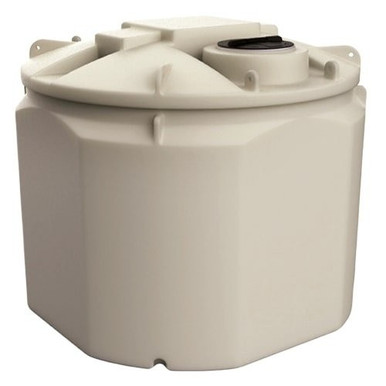
- Reference 100 gallon doorway tank for small portable applications. Reference N-44800 100 gallon Norwesco doorway tank as a small-tank application where the lid selection is typically simpler. The smaller scale tolerates threaded screw-on or press-fit lids; the chemistry is typically water or similar benign service.
The lid selection by service produces a clear decision matrix. Most installations land on gasketed bolted with appropriate gasket material; the press-fit and lockable extremes are reserved for specific service profiles.
3. Access Frequency and Operator Ergonomics
The frequency of operator access through the manway lid drives the selection toward designs that minimize access labor:
- Annual access (inspection only). Tanks accessed only for annual inspection accept any lid type. The labor savings of a quick-release design are not material at one access per year. Cost minimization (press-fit, threaded) is appropriate.
- Quarterly access (sampling, calibration). Quarterly access tolerates moderate lid complexity. Latched lids provide fast access without sacrificing closure quality. Gasketed bolted lids are workable but each access requires bolt-loosening labor; for dispersed tank fleets the labor adds up.
- Monthly access (chemistry additions, level verification). Monthly access strongly favors latched or hinged lids over bolted designs. The labor savings across a year (10-12 access events versus annual) compound with the operator time per event. Hinged lids require no detachment; latched lids release in seconds.
- Weekly or daily access (production batch operations). High-frequency access requires hinged or quick-release designs. Bolted lids on high-frequency tanks become operational pain points; operators frequently neglect re-bolting after access, resulting in unsealed lids in service. The lid design should match the operational reality.
- Operator ergonomics on overhead access. Tank-top access typically requires the operator to climb a ladder or platform. The lid must be operable from the platform without specialized tools or excessive force. Bolted lids with 8 or more bolts on a 16-inch lid require 5-10 minutes of operator time per access; the ergonomic burden is real on high-frequency tanks.
- Confined-space considerations. Some installations require operator entry through the manway for inspection or cleaning. The lid opening size must accommodate the entry; 24-inch lids are the practical minimum for confined-space entry, and 30-inch lids are preferred for full personnel access with PPE. The lid hinge or lift mechanism should support the larger lid weight (50-150 pounds for a 30-inch polyethylene lid).
- Reference 1000 gallon tank for typical access frequency selection. Reference N-40152 1000 gallon Norwesco vertical as a typical mid-volume tank where the access frequency analysis applies. A 1000 gallon water tank in irrigation service may be accessed quarterly; a 1000 gallon chemistry feed tank may be accessed weekly.
The access frequency consideration drives total cost of ownership comparisons across lid types. The labor savings of a hinged or latched lid easily justify the price premium on high-frequency installations.
4. Tampering Risk and Security Closures
The security closure decision is driven by the consequence of unauthorized opening rather than the probability:
- Theft of valuable inventory. Tanks containing valuable chemistry (specialty solvents, food-grade additives, agricultural fertilizers worth thousands per ton) are theft targets in unsecured locations. Lockable closures prevent unauthorized inventory removal. The padlock cost is small compared to the inventory at risk.
- Tampering with hazardous chemistry. A bad actor can introduce contamination into an unsecured tank (organic matter into a chlorine solution, corrosive into a process water tank, malicious additives into food-grade chemistry). The downstream consequences range from process disruption to product recall to public safety incidents. Lockable closures are required for any hazardous tank in unsecured locations.
- DHS Chemical Facility Anti-Terrorism Standards (CFATS) compliance. Sites covered by CFATS regulations (handling certain quantities of certain chemicals) face explicit tank security requirements including locked closures, access controls, and inventory monitoring. The CFATS Appendix A list includes specific tank-stored chemistries; sites should verify their inventories against the screening threshold quantities and apply appropriate security measures.
- EPA Spill Prevention Control and Countermeasure (SPCC) plan tank security. SPCC plans for oil-storage facilities require tank security against unauthorized access. The implementation includes locked manway closures, fenced perimeters, and access logging. The SPCC plan is reviewed by EPA inspectors during facility audits.
- OSHA Process Safety Management (PSM) tank security. Sites covered by PSM regulations face mechanical integrity requirements that include closure verification. The closure verification is typically procedural (confirmation that lids are closed and secure between operations) rather than physical (locked) but locked closures simplify the procedural verification.
- Insurance company tank security requirements. Property and liability insurance carriers may require lockable closures as a condition of coverage on hazardous-chemistry tanks. The insurance specification typically follows industry best practice.
- Reference 2500 gallon for typical secured installation. Reference N-41524 2500 gallon Norwesco as a typical mid-volume tank where lockable closures are appropriate for hazardous chemistry service. The 16-inch lid accepts standard lockable hardware; the 30-inch lid is available with proprietary locking systems.
The tampering risk analysis produces clear decisions on security closure requirements. Most chemistry installations end up with lockable closures; water installations typically do not require them.
5. Vapor Sealing Performance and Gasket Selection
The lid gasket determines the vapor sealing performance and the chemistry compatibility:
- Buna-N gasket. Standard for water service and mild chemistry. Buna-N handles temperatures from -20 F to +200 F and is compatible with most non-oxidizing chemistry. Cost is the lowest among elastomer options. Compression set characteristics are moderate; gasket replacement at 5-10 year intervals is typical.
- EPDM gasket. Standard for hypochlorite and oxidizer service. EPDM handles chlorine compounds, dilute acids, and most aqueous chemistries. Temperature range is similar to Buna-N. Cost is approximately 30 percent above Buna-N. EPDM is the default choice for water-treatment chemistry storage.
- Viton (FKM) gasket. Standard for acid and hydrocarbon service. Viton handles concentrated mineral acids, organic acids, hydrocarbons, and most solvents. Cost is 3-5x Buna-N. Compression set is excellent; gasket service life is longer than Buna-N or EPDM.
- FFKM (Kalrez or Chemraz) gasket. Premium elastomer for severe chemistry. FFKM handles concentrated acids, severe oxidizers, ketones, esters, and aggressive solvents that defeat all other elastomers. Cost is 10-30x Buna-N. Reserved for severe service where chemistry compatibility eliminates alternatives.
- PTFE-enveloped gasket. A PTFE jacket around an elastomer core combines PTFE chemistry compatibility with elastomer compressive resilience. Cost is 5-10x Buna-N. Appropriate for aggressive chemistry where standard elastomers fail.
- Compression specification by gasket type. Each gasket type has a recommended compression range. Under-compression produces leaks; over-compression damages the gasket and produces accelerated cold flow on the polyethylene tank wall. The bolt torque is calibrated against the gasket compression specification and the polyethylene wall material strain limit. Manufacturer torque tables specify the appropriate values.
- Annual gasket inspection and replacement. The gasket is inspected at each lid open-and-close event for compression set, chemistry attack, and surface degradation. Aged gaskets (typically 5+ years for Buna-N, 7+ years for EPDM, 10+ years for Viton) are replaced at the next access event regardless of visible condition. Spare gaskets are stocked in inventory matched to each tank installation.
The gasket selection is a chemistry compatibility decision driven by the tank service. The compression specification and the maintenance cadence sustain the gasket performance across the tank service life.
6. Compliance Triggers That Require Specific Hardware
Several regulatory regimes specify lid and closure requirements that override base lid selection:
- UN/DOT certified packaging for transport tanks. Tanks used for chemistry transport (IBCs, totes, mounted tanks on trailers) must comply with 49 CFR 178 Subpart N for IBCs or comparable Subpart for other packaging types. The lid certification includes drop-test and vibration-test requirements; only factory-certified lid combinations meet the regulation. Field-modification of lid hardware on certified tanks voids the certification.
- FDA food-contact certification. Tanks storing food, beverage, or food-grade chemistry must use FDA-compliant materials (21 CFR 177.1520 polyethylene grades) with FDA-compliant gasket materials (specific Buna-N, EPDM, or silicone formulations). The lid hardware must include the same compliance.
- NSF/ANSI 61 certification for potable water. Drinking water service tanks require NSF/ANSI 61 certification on the tank materials, including the lid and gasket. The certification covers leaching of contaminants into the water. Non-NSF lids on a certified tank degrade the system certification.
- Pressure-rated lids for elevated service pressure. Tanks operating above atmospheric pressure (2 PSI to 15 PSI typical for closed-top polyethylene tanks) require lid designs rated for the operating pressure. Press-fit and threaded lids do not provide pressure rating; gasketed bolted lids with appropriate bolt pattern provide rated capacity. The pressure rating is published by the manufacturer.
- State health department drinking-water regulations. State health departments may impose specific tank closure requirements for public-water-supply storage. The requirements typically include locked closures, vermin-proof venting, and inspection access. State requirements override or augment federal rules.
- Local fire code venting and closure rules. Local fire codes (NFPA 30 for flammable liquids, NFPA 1 for general fire prevention) impose specific tank venting and closure rules for hazardous chemistry. The lid must accommodate the required vent provisions; some lid designs do not include vent ports and require modification or replacement for fire-code compliance.
- Reference 325 gallon mobile tank for transport-rated installations. Reference N-40160 325 gallon Norwesco pickup truck tank as a mobile installation where transport-tank lid requirements apply. Vehicle-motion-rated lids must remain closed and sealed under the vibration and tilt forces typical of pickup truck and trailer transport.
The compliance trigger analysis produces specific hardware requirements that override the base lid selection. A site that ignores compliance requirements faces enforcement actions, certification voids, or insurance gaps that exceed the cost of compliant hardware.
7. Procurement Discipline and Field Upgrades
The lid procurement process spans factory specification, field installation, and replacement parts:
- Factory-installed versus field-installed lids. A factory-installed lid arrives on the tank with proper alignment, gasket seating, and bolt torque. Field installation introduces variability and cost. Where the lid specification can be set at procurement, factory installation is preferred; where the application requires field decision (chemistry change, security upgrade, operational change), field installation is the only option.
- Lid retrofit on existing tanks. An existing tank with a press-fit or threaded lid can usually be retrofitted with a gasketed bolted lid. The retrofit involves drilling the bolt pattern in the tank top, installing a flange ring, and bolting the new lid through the gasket. Some tank designs include pre-molded bolt patterns that accept aftermarket lid kits; others require field drilling.
- Spare lid and gasket inventory. A site with multiple tanks should stock spare lids and gaskets matched to each tank. Lid replacement at end-of-life or after damage is faster with on-hand inventory. Gasket replacement at scheduled intervals is supported by the inventory.
- Lid hardware standardization across tank fleet. Where possible, standardize lid type across multiple tanks at a site. Standardization reduces inventory complexity, simplifies operator training, and consolidates spare-parts purchasing. The standardization decision balances against the per-tank service requirements.
- Vendor qualification for lid supply. Lid suppliers vary in quality. Reference the tank manufacturer (Norwesco, Snyder, Chem-Tainer, Enduraplas, Bushman) for original-equipment lids matched to their tanks. Aftermarket lid suppliers may offer cost savings but with quality variability that affects gasket sealing and bolt thread alignment.
- Annual lid inspection program. An annual lid inspection program covers visual condition (cracks, UV degradation, hardware corrosion), gasket condition (compression set, chemistry attack), bolt torque (re-torque to specification), and security hardware (lock function, key inventory). The annual program catches developing issues before they produce operational failures.
- Reference small-tank lid procurement for portable tanks. Reference N-44800 100 gallon Norwesco doorway tank as a small-scale portable tank where standard lid options ship with the tank. Field upgrades to lockable or gasketed designs are uncommon at this scale; the application typically suits the standard configuration.
The procurement discipline supports the operational discipline. A site that invests in lid specification quality, spare inventory, and annual inspection produces tank installations that operate reliably across service life.
8. The Top Access Cover Engineering Conclusion
Tank top access cover engineering spans a wide range of designs from inexpensive press-fit lids to certified pressure-rated lockable bolted lids. The selection is driven by service chemistry, access frequency, tampering risk, and compliance requirements. A correct lid selection produces an installation that operates reliably with appropriate access ergonomics and adequate security and compliance posture; a poor selection produces operational headaches or compliance gaps. The engineering decision is small in dollar terms (the lid is a fraction of tank cost) but large in operational consequence.
OneSource Plastics ships polyethylene tanks across the 5-brand catalog (Norwesco, Snyder, Chem-Tainer, Enduraplas, Bushman) with lid options spanning the design hierarchy described in this article. Tank selection for any specific application is performed by the customer site engineer with reference to chemistry, access frequency, and regulatory requirements. List pricing on each product page; LTL freight to your ZIP via the freight estimator or by phone at 866-418-1777. For related engineering see tank top fitting placement strategy and fitting and bulkhead sizing.
Recommended Tanks for This Guide
Live pricing, updated automatically · estimate freight to your ZIP.