
Anaerobic Digesters
Anaerobic Digesters
An anaerobic digester is a sealed, oxygen-free vessel where microbes turn waste into energy. Get the temperature, mixing, and retention time right, and organic matter becomes biogas.
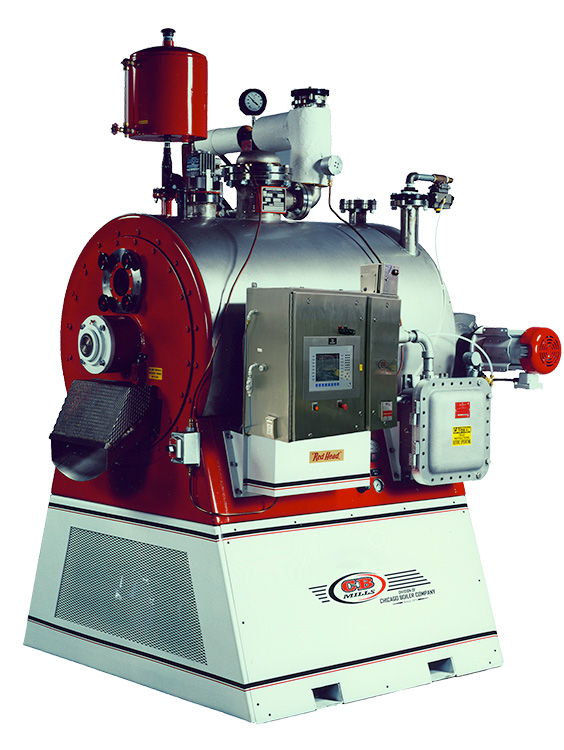
What Anaerobic Digestion Actually Is
Anaerobic digestion is the controlled breakdown of organic material by microorganisms in the complete absence of oxygen. Inside a sealed digester, a consortium of bacteria and archaea consumes the carbon and nutrients in feedstock such as livestock manure, food and beverage waste, crop residue, or municipal sewage sludge, and releases the energy locked in that material as biogas. Unlike composting, which is an aerobic process that produces mainly carbon dioxide and heat, anaerobic digestion conserves much of the feedstock's energy in the form of methane — a combustible gas that can be burned for heat and power or upgraded to pipeline-quality fuel. What remains after digestion, the digestate, is a stabilized, nutrient-rich material that can serve as fertilizer.
The appeal of digestion is that it accomplishes three things at once: it reduces the volume and odor of organic waste, it captures methane that would otherwise escape to the atmosphere from open lagoons or landfills, and it produces a renewable fuel. Because the entire process must be kept airtight, the digester vessel and its mixing, heating, and gas-handling systems form an integrated system in which every element affects the others. A poorly mixed or temperature-swung digester will underperform no matter how good its feedstock.
The Four Stages of Digestion
Digestion is not a single reaction but a chain of four microbial steps, each carried out by different organisms that depend on the products of the step before.
- Hydrolysis. Complex insoluble polymers — carbohydrates, proteins, and fats — are broken by enzymes into soluble sugars, amino acids, and fatty acids. For fibrous or particulate feedstocks this is often the rate-limiting step, which is why pretreatment and particle-size reduction can speed the whole process.
- Acidogenesis. Acid-forming bacteria ferment those soluble molecules into volatile fatty acids, along with hydrogen, carbon dioxide, and alcohols.
- Acetogenesis. Other bacteria convert the volatile fatty acids and alcohols into acetic acid, hydrogen, and carbon dioxide — the direct precursors of methane.
- Methanogenesis. Methanogenic archaea produce methane, either by splitting acetic acid or by combining hydrogen with carbon dioxide. These organisms are the slowest-growing and most sensitive members of the community, and protecting them governs the stability of the whole digester.
The critical insight is balance. Acid formers grow quickly and are robust; methanogens grow slowly and are easily inhibited by sudden temperature shifts, oxygen intrusion, pH drops, or ammonia buildup. If feeding outpaces the methanogens, volatile fatty acids accumulate, pH falls, and the digester can sour and stall. Stable operation means feeding at a rate the slowest organisms can keep up with and holding conditions steady.
Mesophilic vs Thermophilic Operation
Digesters are run in one of two temperature regimes, chosen for the microbial communities that thrive in each. Mesophilic digestion operates in a moderate range centered around body temperature; thermophilic digestion runs considerably hotter. The two represent a tradeoff between speed and stability.
| Attribute | Mesophilic | Thermophilic |
|---|---|---|
| Temperature range | Moderate, around 35 °C | Hot, around 55 °C |
| Reaction rate | Slower | Faster |
| Retention time needed | Longer | Shorter |
| Pathogen reduction | Moderate | High |
| Process stability | More forgiving | More sensitive to upset |
| Heating energy | Lower | Higher |
Mesophilic systems are the workhorses of the industry because they tolerate variability in feedstock and temperature and recover more gracefully from upsets. Thermophilic systems digest faster, allow a smaller vessel for the same throughput, and achieve greater pathogen kill, which matters when the digestate will be land-applied. The cost is sensitivity: thermophilic communities are less diverse and more easily destabilized by changes, and they demand more heating energy to maintain the higher temperature. Whichever regime is chosen, the digester must hold temperature within a narrow band, which is why heating — usually through hot-water coils, an external heat exchanger on the recirculation loop, or a jacket — is a core part of the design.
Hydraulic Retention Time and Loading
Hydraulic retention time, or HRT, is the average time the feedstock spends inside the digester — effectively the working volume divided by the daily feed rate. HRT must be long enough for the slow methanogens to do their work; too short and undigested material washes out before its energy is captured, reducing gas yield. Mesophilic digesters typically require a longer HRT than thermophilic ones because their reactions run more slowly. Alongside HRT, operators watch the organic loading rate — the mass of volatile solids fed per unit of digester volume per day. Loading too aggressively floods the system with acid-forming activity and risks souring; loading too lightly leaves capacity unused. Tuning HRT and loading to the feedstock and temperature regime is the central operational discipline of running a digester.
Mixing: Why It Matters
A digester is not a still pond. Mixing keeps the microbial population in contact with fresh substrate, distributes heat evenly so there are no cold or hot pockets, prevents the heavier solids from settling into a dead layer at the bottom, and breaks up the floating crust or scum layer that fibrous feedstocks tend to form on the surface. Without adequate mixing, the active volume of the vessel shrinks as inert layers build up, gas yield falls, and temperature control becomes uneven.
Several mixing approaches are common: mechanical agitators with submerged impellers, pumped recirculation of the digester contents, and gas recirculation, in which captured biogas is reinjected at the base to stir the liquid as it rises. Each has tradeoffs in energy use, maintenance, and how aggressively it can break up crust. Mixing must be vigorous enough to homogenize the vessel but not so violent that it shears apart the granular flocs and microbial structures that the slow organisms depend on. Continuous gentle mixing or intermittent mixing cycles are both used, tuned to the feedstock's tendency to settle or crust.
Feedstocks and Co-Digestion
Digesters run on a wide range of organic streams. Dairy and livestock operations digest manure, often the foundational feedstock for on-farm systems. Municipal facilities digest sewage sludge and biosolids. Food and beverage processors digest high-strength organic waste that would otherwise be costly to discharge. Many of the best-performing digesters practice co-digestion, blending a base feedstock such as manure with energy-dense additions such as food waste or fats, oils, and greases. The added material boosts gas production substantially, but it also raises the risk of overloading or of inhibitory compounds, so co-digestion demands careful balancing of the recipe. Consistency in feedstock characteristics — solids content, nutrient balance, and the absence of toxins or excess ammonia — is what allows a digester to run stably day after day.
The Digester Vessel Itself
Because digestion is anaerobic, the vessel must be gas-tight: air intrusion both inhibits the methanogens and creates an explosion risk when oxygen meets methane. The vessel must withstand the corrosive, sometimes abrasive interior environment — digestate can be acidic, laden with hydrogen sulfide, and full of grit — and it must integrate heating surfaces, mixing equipment, feed and digestate ports, and a gas-collection space or membrane at the top. Materials and linings are chosen for resistance to that environment over a long service life. Insulation conserves the heat that keeps the microbes at temperature. Sizing the vessel is a direct consequence of the chosen HRT, loading rate, and feed volume, and like any process system, a digester performs best when its volume, mixing, heating, and gas handling are matched to one another and to the feedstock it will actually receive.
Digestate: The Other Product
Biogas is the headline product of digestion, but the liquid and solid material left behind — the digestate — is valuable in its own right and is a major reason the process makes sense for agriculture and municipalities. During digestion the organic nitrogen in the feedstock is partly converted to a more plant-available mineral form, and much of the odor and many of the pathogens present in raw manure or sludge are reduced. The result is a stabilized, nutrient-rich material that can be applied to land as fertilizer, returning nitrogen, phosphorus, and potassium to the soil and closing the nutrient loop. Many operations separate the digestate into a liquid fraction, which is easy to spread or recirculate, and a fibrous solid fraction that can be used as bedding or further composted.
Handling digestate is itself a design consideration. It must be removed from the digester at the same rate feedstock is added to hold the working volume and retention time steady, and it must be stored before it can be land-applied, often seasonally, because nutrients cannot be spread on frozen or saturated ground. Storage volume, pumping of a still-active material, and continued odor and gas management are all part of completing the digestion cycle rather than afterthoughts to it.
Monitoring a Healthy Digester
Because the microbial community is sensitive and slow to recover from upset, operators watch a handful of indicators that reveal whether the digester is balanced. The ratio of volatile fatty acids to the alkalinity of the contents is one of the most telling: rising acids against falling buffering capacity is an early warning that the acid formers are pulling ahead of the methanogens. Gas production rate and the methane fraction of the biogas show how much energy is actually being captured and whether digestion is proceeding normally. Temperature and pH are tracked continuously, and a drift in either is acted on quickly because methanogens tolerate change poorly. Watching these signals lets an operator slow the feed, adjust temperature, or add buffering before a minor imbalance becomes a stalled vessel that may take weeks to bring back to full production.
Frequently asked questions
- What is the difference between mesophilic and thermophilic digestion?
- Mesophilic digestion runs at a moderate temperature around body heat, while thermophilic digestion runs considerably hotter, near 55 degrees Celsius. Thermophilic systems digest faster, need a smaller vessel for the same throughput, and kill more pathogens, but they are more sensitive to upset and use more heating energy. Mesophilic systems are slower but more forgiving and tolerant of variable feedstock, which is why they are the most common choice.
- Why can a digester go sour or stall?
- Souring happens when the fast-growing acid-forming bacteria outrun the slow methanogens, usually because of overfeeding, a temperature swing, oxygen intrusion, or a toxic component in the feedstock. Volatile fatty acids accumulate, the pH drops, and the methane producers are inhibited further, which can spiral the whole vessel into failure. Steady feeding, stable temperature, and consistent feedstock prevent it.
- Why does a digester need mixing if it is sealed?
- Mixing keeps microbes in contact with fresh feedstock, distributes heat evenly, prevents solids from settling into dead layers, and breaks up the floating crust that fibrous feedstocks form. Without it, the effective working volume shrinks and gas yield falls. Mixing must be vigorous enough to homogenize the vessel but gentle enough not to destroy the microbial structures the process relies on.
- What is hydraulic retention time and why does it matter?
- Hydraulic retention time is the average time feedstock spends inside the digester, roughly the working volume divided by the daily feed rate. It must be long enough for the slow methanogens to capture the feedstock's energy before it washes out; too short and gas yield drops because undigested material leaves the vessel. Mesophilic digesters generally need a longer retention time than thermophilic ones because their reactions run more slowly.
Scope your custom build
Send us your volume, service chemistry, dimensions, and finish or code requirements. We return a full engineering package, firm lead time, and a fixed quote — freight quoted separately to your ZIP.
Request a Custom QuoteCall 866-418-1777