300 Gallon Vertical Liquid Storage Tank - Natural White: Complete Buyer's Guide
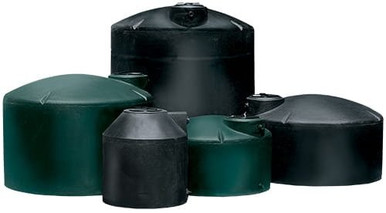
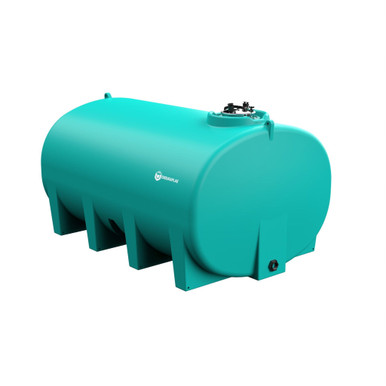
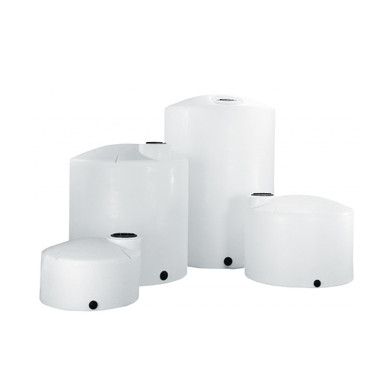
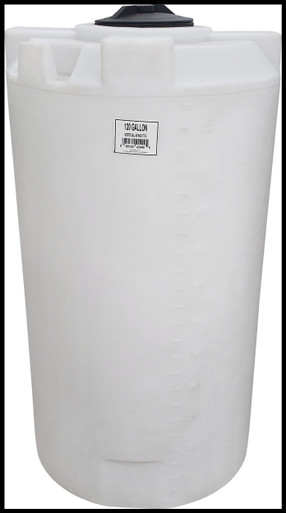
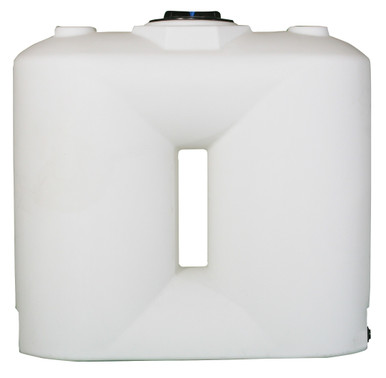
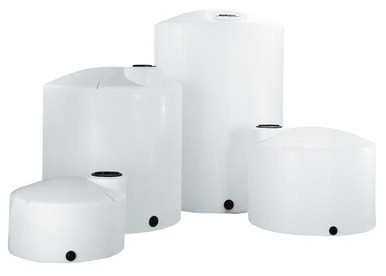
300 Gallon Vertical Liquid Storage Tank - Natural White from Norwesco.
Specifications at a Glance
Every figure below is pulled straight from the live product record for this exact tank — the same data on the product page, so what you read here and what you buy never disagree.
Standards & Materials
- FDA 21 CFR 177.1520 — Olefin polymers. The food-contact regulation the FDA-grade resin in this tank is compounded to meet.
- Specific gravity rating 1.5 — the tank is engineered for liquids up to 1.5× the density of water (water is about 8.34 lb/gal). Confirm your fluid’s SG before storage.
Installation and Setup Guide
A 300-gallon vertical liquid tank is a mid-size chemical reservoir for sprayer fills, treatment-chemical storage, and small bulk supply. Installing it well is mostly about giving the flat bottom firm, level support and setting it up for safe chemical service rather than wrestling with the kind of engineered foundation a multi-thousand-gallon tank demands.
The Base
Set the tank on a firm, level surface free of rocks and sharp debris — a concrete pad is ideal, and for chemical duty it should serve as secondary containment so any leak or overflow is captured rather than spread. Bring the surface flat so the bottom is evenly supported, since a high spot under a loaded poly tank concentrates stress into the wall over repeated fill cycles.
Plumbing for Chemicals
Plumb the outlet in piping rated for your specific chemistry, keeping the first foot flexible so the polyethylene can expand and contract with temperature without cracking the fitting. Add a chemical-service shutoff valve, and avoid metals your product can attack. Position the outlet where your transfer run is shortest to minimize friction loss and leak points.
Venting for Vapors
Many stored chemicals give off vapor, so fit a vent rated for the product rather than a plain breather. The vent must let air in as you draw the tank down and release pressure as you fill, protecting both the tank wall and anyone working nearby from vapor buildup.
Maintenance and Long-Term Care
This is chemical-storage equipment, so its upkeep centers on containment integrity and chemical compatibility — not a potable-water cleaning routine.
Routine Inspection
- Wall: Look the wall over regularly for bulging, stress whitening, or any swelling where it contacts the product, which can signal a borderline-compatible chemical attacking the resin.
- Fittings: Check the outlet and valve for weeping or chemical etching and hand-snug threads that have loosened; replace any gasket the product has degraded.
- Vent: Confirm the vent is clear and rated for the current chemical, since a fouled vent is both a deformation risk and a vapor hazard.
Switching Chemistries
Before changing products, drain completely and decontaminate following the incoming chemical manufacturer's procedure, then verify the new product against a polyethylene compatibility chart. Never assume a residual film from one chemical is safe with the next. This tank carries no drinking-water role, so cleaning is strictly about compatibility and cross-contamination.
Weather
For an outdoor tank, the molded-in UV stabilizers protect the resin through years of sun; inspect the sun-facing side annually for chalking in high-UV regions. A reflective light-colored wall also helps keep volatile chemistry cooler during summer heat.
Alternatives and Comparisons
At 300 gallons this tank sits in the sweet spot between a benchtop day tank and a large bulk vessel, useful for operations that need real working stock without a major foundation.
Where it fits: A 300-gallon vertical liquid tank holds enough to fill a sprayer or feed a metering system through a shift, while staying light enough that it sets on a containment pad rather than an engineered slab. If your demand outgrows it, stepping up to a 500-gallon or larger liquid tank adds capacity at the cost of footprint and freight handling. Against a portable tote, a fixed vertical tank gives a cleaner plumbed connection and easier level monitoring for permanent chemical service.
Other -Gallon Options
Frequently Asked Questions
How long will the 300 Gallon Vertical Liquid Storage Tank - Natural White last?
On a sound, level base and used within normal polyethylene density and temperature limits, a 300-gallon chemical tank typically delivers 15 to 20 years. The seamless rotomolded body has no weld to fail, and the molded-in UV package protects it outdoors. Storing a chemical outside the polyethylene compatibility window, exceeding the rated density, or an uneven pad are what cut that life short.
What chemicals can I store in this tank?
It is rated for general chemical service and handles most liquid fertilizers, crop-protection chemicals, and industrial solutions. Always confirm a specific product on a polyethylene compatibility chart first, because the resin resists many acids and bases but can be damaged by certain solvents and oxidizers. It is not for fuels or flammables. This is chemical-storage equipment, not a drinking-water tank.
Does this tank come with a warranty?
Norwesco backs this tank against manufacturing defects in materials and workmanship under normal use, covering molded-in faults rather than damage from incompatible chemicals, exceeding the rated density, a poor base, or impact. Keep your receipt and a photo of the installation, and contact us for the specific coverage terms.
Can I install this tank underground?
No. This is an above-ground vertical tank whose walls cannot resist soil pressure; burying it would risk collapse and void coverage. For below-grade storage, our underground cistern and septic products are reinforced specifically for burial loads.
Buying Considerations
Three things to verify before this 300-gallon liquid tank ships. First, the pad: a level surface, ideally a containment slab for chemical duty, flat and clear of debris. Second, your chemistry, confirmed against a polyethylene compatibility chart, since the tank's rating covers most but not all agricultural and industrial liquids. Third, freight: a tank this size palletizes for standard LTL and a lift gate or a couple of helpers can set it. Listed at $650.00 before freight, with delivery quoted to your ZIP.
Related Products You May Need
Questions? Call (866) 418-1777 — our team knows these products inside and out and can help you select the right tank for your application.
Recommended Tanks for This Guide
Live pricing, updated automatically · estimate freight to your ZIP.