1500 Gallon Plastic Water Storage Tank: Complete Buyer's Guide
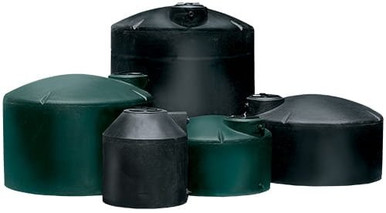

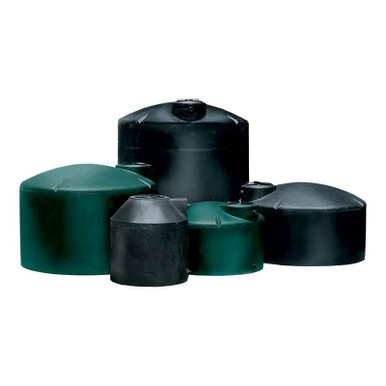
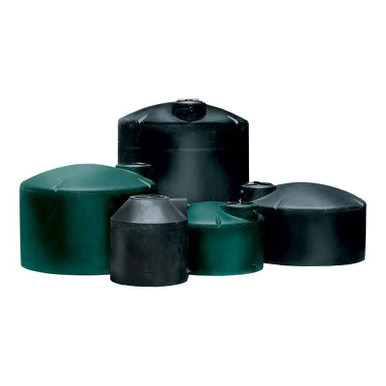
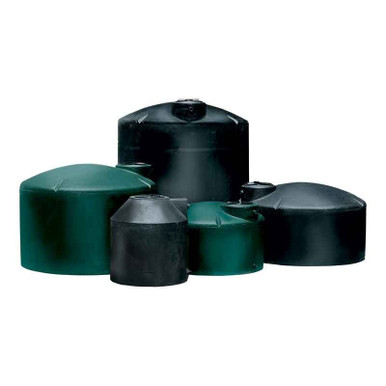
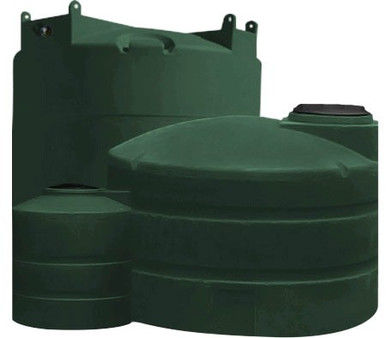
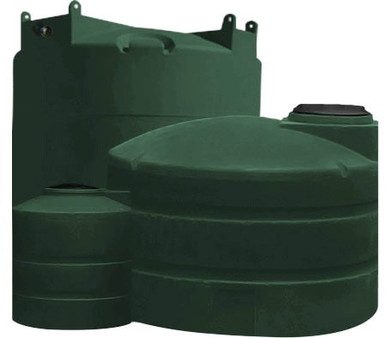
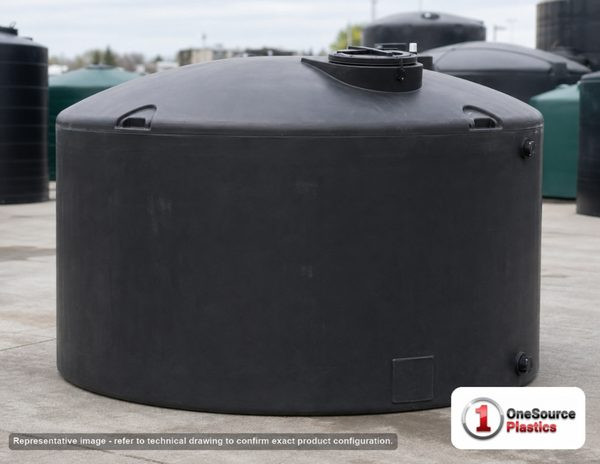
1500 Gallon Plastic Water Storage Tank from Norwesco.
Specifications at a Glance
Every figure below is pulled straight from the live product record for this exact tank — the same data on the product page, so what you read here and what you buy never disagree.
Standards & Materials
- ASTM D1998 — Standard Specification for Polyethylene Upright Storage Tanks. Governs wall-thickness and hydrostatic design for vertical rotomolded poly tanks of this class.
- FDA 21 CFR 177.1520 — Olefin polymers. The food-contact regulation the FDA-grade resin in this tank is compounded to meet.
- Specific gravity rating 1.0 — the tank is engineered for liquids up to 1.0× the density of water (water is about 8.34 lb/gal). Confirm your fluid’s SG before storage.
Installation and Setup Guide
Fifteen hundred gallons of water is a little over twelve thousand pounds the moment the tank is full, and a poly shell does nothing to redistribute that weight — it hands every pound straight down to whatever you set it on. That single fact is why the pad outranks the plumbing, the fittings, and the tank itself in determining how long this 1500-gallon Norwesco lasts. Get the ground right and the tank becomes a fixture; get it wrong and the lower wall fatigues years before its time.
Site Preparation
The bearing surface has to be larger than the tank's flat bottom, level to within a quarter inch corner to corner, and stable enough that it will not creep after the first few fill-and-draw cycles. A four-inch reinforced concrete slab is the surest option; a deep ring of compacted, screeded crushed stone is the field-proven alternative. What you cannot use is bare graded dirt or loose pea gravel, both of which rut and tilt under repeated loading and put one edge of the shell into permanent overstress.
Placement and Connections
Run the discharge from the lowest point and keep it short — horizontal pipe is just friction and leak risk waiting to happen. Tie the first foot off the tank with a flexible coupling rather than hard pipe, because the wall of a full 1500-gallon tank flexes measurably between empty and brimming, and a rigid line simply transmits that motion into the bulkhead until the threads weep. Thread everything by hand and stop a quarter turn past snug; a wrench is how a poly fitting cracks.
Venting
A tank breathes in proportion to how fast you move water, and a 1500-gallon draw moves a lot of air. Leave the lid vent open and screened so the shell can pull replacement air in as the level drops; a plugged vent pulls a partial vacuum instead and dimples the top or caves a sidewall during the very first hard pump-down. On the fill side, the same screen lets displaced air escape so pressure never builds against the lid.
Maintenance and Long-Term Care
A potable-water tank earns its keep by keeping the water as drinkable as the day you filled it, and at 1500 gallons the volume is large enough that neglect shows up as taste and biofilm long before it shows up as a structural problem. The routine below is light, but skipping it is how a clean tank quietly turns into a cistern of stale water.
Quarterly Inspection Checklist
- Wall and base sweep: Circle the tank and look for any outward swell low on the sidewall — on a 1500-gallon shell that is the telltale of a pad that has settled on one side or a load heavier than rated water.
- Fitting tug: Check the outlet and any inlet by hand; poly relaxes around threads over months, so re-snug what has loosened and never reach for a pipe wrench.
- Pad audit: Confirm the slab or stone ring is still flat and that no washout or erosion has undercut an edge after heavy rain.
- Vent clearance: Make sure the screened vent is open and free of nests or grit, since a blocked vent is the most common reason a healthy poly tank deforms.
Cleaning
Drain the full 1500 gallons through the bottom outlet once a year, rinse the interior down, then sanitize with roughly a quarter cup of unscented household bleach for every fifteen gallons you refill, holding that solution about two hours before flushing until the chlorine note is gone. The annual reset clears the fine sediment that always collects on a flat floor and resets the biofilm clock before it ever becomes a taste problem.
UV and Weather Protection
Norwesco compounds UV stabilizer into the resin, but stabilizer is consumed by sunlight rather than permanent. In high-exposure sites — think open Western acreage with eight-plus hours of direct sun — check the sun-facing arc each year for chalk or fading, and consider a simple shade screen, which buys this tank years of additional service in punishing UV.
Alternatives and Comparisons
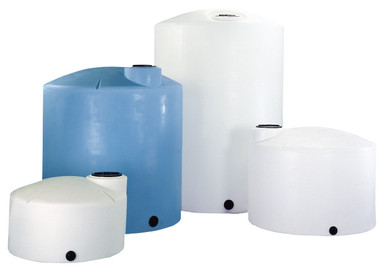
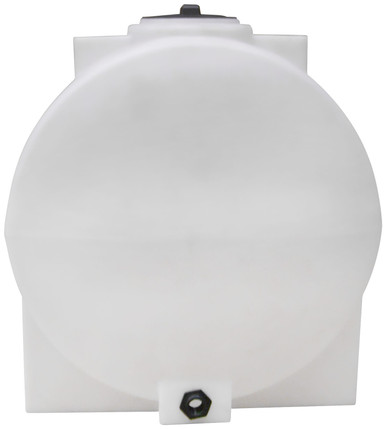
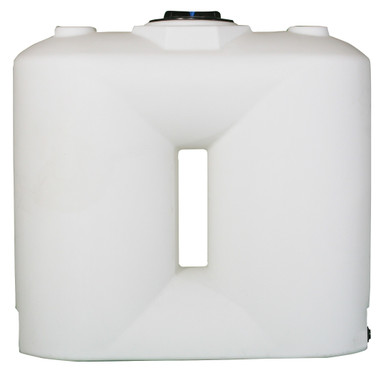
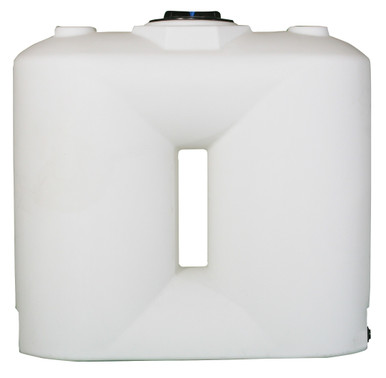
The 1500-gallon size sits at the threshold where buyers stop thinking in terms of a household reserve and start thinking in terms of a true bulk supply. Stepping down trades capacity for an easier pad and lower freight; stepping up to a multi-thousand-gallon tank changes the foundation conversation entirely. The options below let you weigh footprint against reserve before you commit.
Other -Gallon Options
Frequently Asked Questions
How long will the 1500 Gallon Plastic Water Storage Tank last?
With a sound pad, sane fill cycles, and the light annual cleaning above, this 1500-gallon Norwesco runs comfortably into the fifteen-to-twenty-year band. The seamless rotomolded wall has no welds to open and the UV package holds up well; what actually ends a tank's life early is a foundation that was never level or water left to stagnate, not the polyethylene itself.
What chemicals can I store in this tank?
As a water tank it is built for potable water and food-grade liquids, and within reason it will hold the lighter agricultural solutions too. It is not for fuels, solvents, or anything flammable, and before you store any chemical you should check it against a polyethylene compatibility chart — poly shrugs off most acids and bases but a few aggressive oxidizers and hydrocarbons attack it.
Does this tank come with a warranty?
Yes — Norwesco warrants the tank against defects in materials and workmanship under normal use. That covers faults baked in at the factory; it does not cover a tank overloaded past its rating, set on a bad pad, or filled with an incompatible chemical. Keep your receipt and a couple of install photos so any claim is straightforward.
Can I install this tank underground?
No. This is an above-ground vertical tank and the flat wall has no engineering to resist soil pressure; bury it and it will collapse and void the warranty. For below-grade storage, use a purpose-built underground cistern with the ribbed, reinforced wall designed for that load.
Buying Considerations
Three checks before you order this 1500-gallon tank: confirm the pad area and overhead clearance for the lid actually exist where you intend to set it, verify the surface can be brought flat to a quarter inch since a tank this heavy is unforgiving of slope, and plan delivery — a tank this size moves by LTL freight, so arrange for offload and access before the truck arrives.
Related Products You May Need
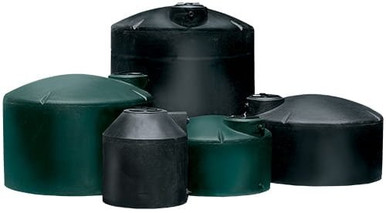
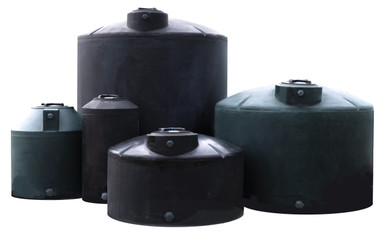
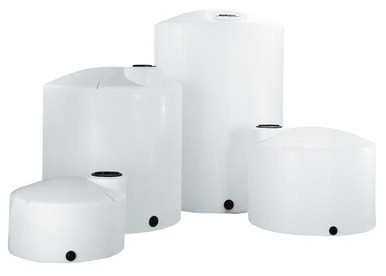
Questions? Call (866) 418-1777 — our team knows these products inside and out and can help you select the right tank for your application.
Recommended Tanks for This Guide
Live pricing, updated automatically · estimate freight to your ZIP.