2000 Gallon Vertical Liquid Storage Tank - Natural White (90" x 84"): Complete Buyer's Guide
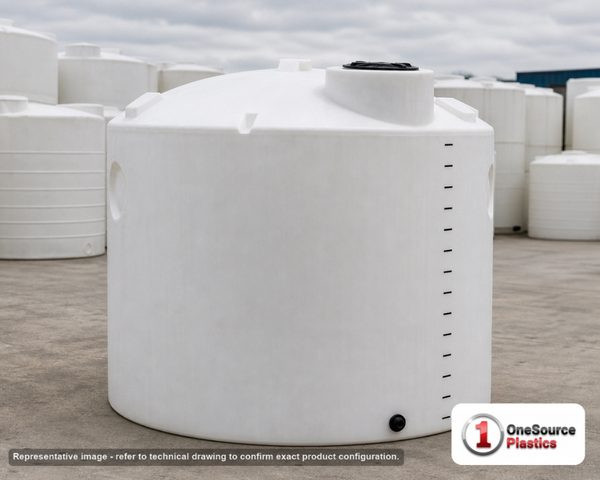
The 2,000-gallon vertical (Norwesco, 90" x 84") doubles the classic thousand-gallon size while keeping a balanced seven-and-a-half-foot-wide, seven-foot-tall stance. Rated to a 1.5 specific gravity, it's a substantial agricultural and industrial liquid tank for operations consolidating their chemical storage.
Technical Drawing
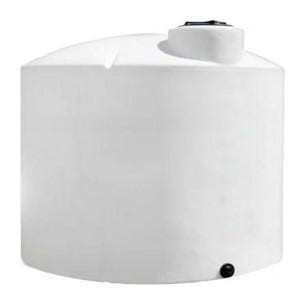
Official Norwesco technical drawing — 2000 Gallon Vertical Liquid Storage Tank - Natural White (90" x 84")
Specifications at a Glance
Every figure below is pulled straight from the live product record for this exact tank — the same data on the product page, so what you read here and what you buy never disagree.
Standards & Materials
- ASTM D1998 — Standard Specification for Polyethylene Upright Storage Tanks. Governs wall-thickness and hydrostatic design for vertical rotomolded poly tanks of this class.
- FDA 21 CFR 177.1520 — Olefin polymers. The food-contact regulation the FDA-grade resin in this tank is compounded to meet.
- Specific gravity rating 1.5 — the tank is engineered for liquids up to 1.5× the density of water (water is about 8.34 lb/gal). Confirm your fluid’s SG before storage.
Installation and Setup Guide
Two thousand gallons is where a tank starts to feel like infrastructure. The 84-inch diameter and 90-inch height keep the proportions stable and accessible, but the full load is heavy enough that the foundation moves from important to critical.
Site Preparation
Provide an engineered or substantial concrete pad sized for a full two-thousand-gallon load across the 84-inch base. The seven-and-a-half-foot footprint distributes the weight, but the mass is large, so the slab and its subgrade must be specified to carry it without settling. Level within an inch across the diameter, on uniformly compacted subgrade. Give the perimeter generous clearance for the freight set, plumbing, and inspection access.
Placement and Connections
Route the outlet for the shortest, cleanest run to your pump, and install a flexible coupling at the bulkhead — a tank this size flexes with thermal cycling and a rigid line on a heavily loaded fitting will eventually fail. The 90-inch height puts the lid seven and a half feet up, so plan a short platform or sturdy ladder for filling and inspection rather than improvising at fill time. Match all valve and fitting materials to the stored chemical.
Venting
Size the lid vent to your maximum draw rate. A two-thousand-gallon tank pulled down quickly without an adequate air path can develop damaging vacuum, and the wall is tall enough to buckle if it can't breathe. For off-gassing agricultural products, use a pressure/vacuum relief vent rated to the vapor instead of a plain screened vent.
Maintenance and Long-Term Care
Maintaining a two-thousand-gallon tank is about catching settlement under the broad base and the usual chemical-service hygiene — with a bit of platform discipline since the lid is up high.
Quarterly Inspection Checklist
- Base and plumb: Check that the 84-inch base sits evenly with no low edge and that the column stands true. On a tank this size, uneven settlement loads one side of the wall harder than design intends — correct the pad before refilling.
- Lower wall: Inspect the bottom third where hydrostatic load concentrates, looking for bulging or distortion, particularly after a denser product.
- Fittings: Check the outlet for weeping or dried residue; hand-tighten only to avoid stripping poly threads.
- Vent: Confirm the vent is open and matched to the draw rate — the classic cause of a deformed tall tank.
Cleaning and Changeover
Before switching chemicals, drain and flush per the outgoing product's procedure — at two thousand gallons the residual left by a lazy rinse is a meaningful volume that can react with or contaminate the next load. Use the lid for access to confirm the floor is clear of settled solids, verify polyethylene compatibility with the incoming chemistry, and manage rinsate per the label and your permits.
UV and Weather
The seven-foot wall takes substantial sun. Inspect the exposed side annually for chalking, and recognize that a large stored volume buffers temperature swings — helpful for product stability but a reason to manage extreme heat for sensitive chemistry. A shade structure extends service life meaningfully in a harsh-UV climate.
Alternatives and Comparisons
Two thousand gallons invites two practical comparisons:
This balanced 90" x 84" tank versus a taller, narrower 2,000-gallon: the balanced wide-ish stance here is stable and reasonably accessible while still being more floor-efficient than a true wide bulk body. A taller version would save floor space but demand more height and a more demanding point-load pad. This proportion is the comfortable middle for most sites.
One 2,000 versus two 1,000s: a single tank means one foundation, one set of fittings, and lower per-gallon cost; a pair of thousand-gallon tanks lets you store two chemistries and contain a failure to a smaller volume. Match the choice to your product mix and risk tolerance.
Other -Gallon Options
Frequently Asked Questions
How long will the 2000 Gallon Vertical Liquid Storage Tank - Natural White (90" x 84") last?
Fifteen to twenty years is realistic with an engineered, level pad and use within the 1.5-SG and standard temperature ratings. On a tank this size, foundation performance and chemical compatibility are the dominant life factors — the seamless rotomolded wall has no joints to fail, so a non-settling base and a compatible product reach the upper end of the range.
What chemicals can I store in this tank?
Rated to a 1.5 specific gravity, it handles agricultural chemicals, liquid fertilizers, herbicides, pesticides, and industrial and treatment solutions up to 12.5 pounds per gallon. It is not for fuels, solvents, or flammables. Confirm the specific chemical against a compatibility chart before committing two thousand gallons — polyethylene resists most acids and bases but is attacked by certain hydrocarbons and strong oxidizers.
Does this tank come with a warranty?
Yes — Norwesco's 3-year warranty covers defects in materials and workmanship: factory cracks, pinholes, fitting flaws, and material failures. It excludes over-spec products, uneven or improper installation, chemical attack from incompatible liquids, and impact damage. Keep your receipt and documentation of the engineered, level pad.
Can I install this tank underground?
No — this is an above-ground vertical not engineered to resist soil pressure; burying it would collapse the wall and void the warranty. For below-grade storage, use a purpose-built underground cistern with a reinforced wall designed for soil load.
Buying Considerations
Three checks before ordering. Confirm the footprint and height fit — seven and a half feet wide, seven and a half feet tall, plus room to access the lid. Make sure a substantial level slab for a full two-thousand-gallon load is in your project scope. And verify your product is at or under 1.5 SG. This is the consolidation tank that replaces a cluster of smaller vessels; the foundation is the part to get right. It ships by LTL or dedicated freight depending on access — call us to coordinate delivery and unloading.
Related Products You May Need
Questions? Call (866) 418-1777 — our team knows these products inside and out and can help you select the right tank for your application.
Recommended Tanks for This Guide
Live pricing, updated automatically · estimate freight to your ZIP.