A 1450 gallon underground cistern for water you want kept cool, dark and out of the frost
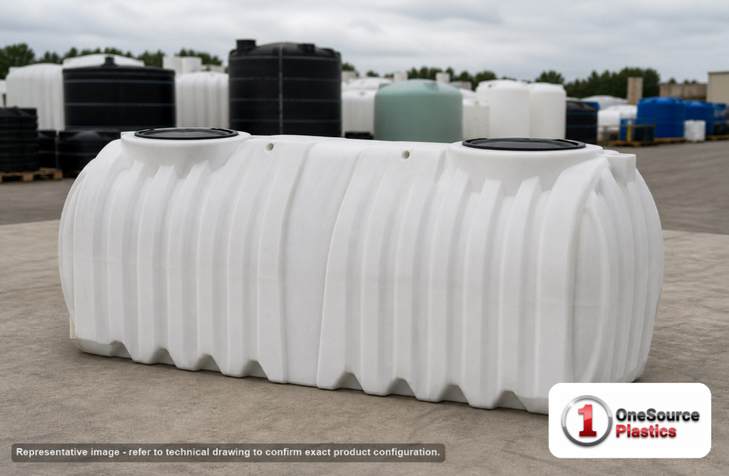
Part number 43549 is Norwesco's 1450 gallon underground water storage cistern, moulded in white polyethylene for burial. It is 157 inches long, 60 inches wide and 51 inches tall, and weighs 384 lb empty. The low 51 inch height keeps the excavation shallow, which is what you want where rock or a high water table stops you digging deep. Access is through a 20 inch manway. The tank is rated for liquids up to 1.9 specific gravity with a service limit of 130 F, the resin is FDA compliant per Norwesco, and Norwesco backs it with a 5 year warranty. 1450 gallons of water weighs 12093 lb. It ships from Norwesco's Griffin, Georgia plant.
Sizing a cistern for a house or a cabin? Call 866-418-1777 with the daily draw and the fill source, or get freight to your ZIP and add it to your cart above.
Where an underground cistern earns its place
A buried cistern stores water out of the sun and out of the frost, which keeps it cool, dark and clear and carries it through a hard winter. Rainwater collection, a hauled-water supply where there is no well, a reserve on a slow well, and a fire protection reserve for a rural property are the common jobs. Our guide to fire water reserves and freeze protection for rural sites covers the reserve case, and the guide to rainwater and reuse storage trains covers collection systems. Work out the volume with the tank sizing calculator and the tank sizing guide; a cistern is sized to days of supply between fills, not to the biggest tank that fits the hole.
Polyethylene does not rust, crack like concrete or taint the water. Like every buried polyethylene tank it is backfilled with care: a flat, compacted base the full 157 inch length, clean fill worked under the curve of the walls, and water in the tank as the fill goes up so the walls are supported from both sides. This tank arrives as a plain shell with no fittings listed, which suits a buyer who wants to put the inlet and the outlet exactly where the site needs them.
Openings and fittings: what to check before you buy
- Manway. A 20 inch manway with a 20 inch lid. Keep the lid seat clean during installation; it is what keeps surface water and insects out of your supply.
- Inlet and outlet. No fittings are listed with the tank. Tell us the pipe sizes and where the lines arrive and we put the right bulkhead fittings on the order. Most cisterns are drawn down by a submersible pump or a suction line dropped through the manway or a riser; decide that before the tank is buried.
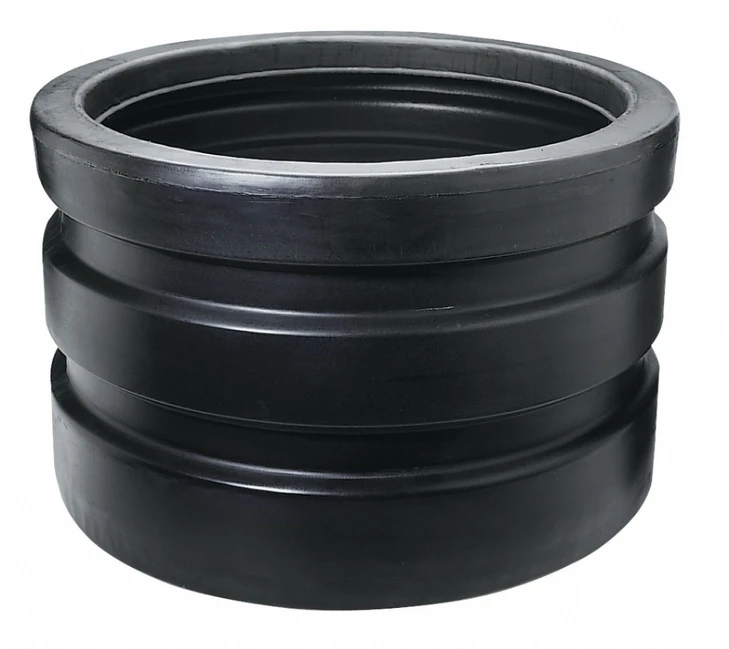
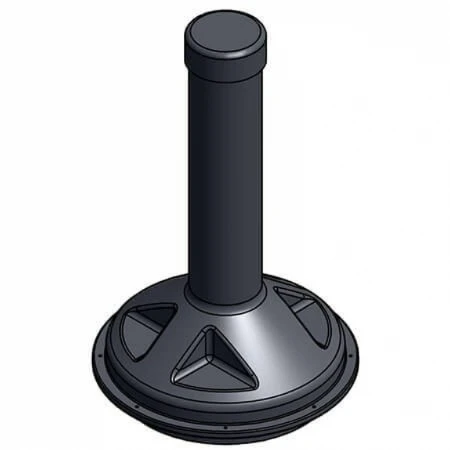
- Risers. If the manway will sit below finished grade, Norwesco's risers and extensions for this tank are N-63832 (6 inch extension), N-63833 (15 inch), N-63834 (24 inch), N-63831 (23 inch riser with a 12 inch lid) and N-63830 (36 inch riser with a 6 inch lid); order two of each because the tank has two manholes. Put them on the same order so they arrive with the tank.
- Depth of cover. Norwesco's drawing for this tank, linked under Technical Drawing on this page, is where the burial details live. Read it before the excavator arrives.
Before the tank is covered, test it: our method for hydrostatic acceptance testing a new tank gives the fill, hold and inspection sequence that catches a leaking fitting while it can still be reached.
Sizes nearby
If the supply line comes in from the side, the 1425 gallon underground cistern with side inlet flats, part 43573 has flat spots moulded into the walls for an inlet bulkhead fitting. The next size up is the 1700 gallon underground cistern, part 41330. Each page carries its own dimensions.
Shipping and receiving
At 157 inches long the tank ships as an oversize load from Norwesco's Griffin, Georgia plant, 157 by 60 by 51 inches and 384 lb. The listed price is before freight; the freight cost estimator gives the lane cost to your ZIP, or request a written quote. Two people can walk an empty 384 lb tank with straps, but plan a machine for setting it in the hole. At the tailgate, check the part number against 43549, look at the manway rim for transit damage, and keep the lid seat clean until the lid goes on for the last time.
Questions before you order? Call 866-418-1777.
Freight and documents
Ships from: Griffin, GA. LTL freight is quoted to your ZIP with the freight cost estimator or by phone at 866-418-1777. The listed price is before freight.
Technical drawing (PDF) for Norwesco 43549.
See this tank
Product video. Watch the Norwesco 1450 Gallon Underground Water Storage Cistern Tank video (72 seconds) with dimensions, fittings and shipping notes.
Ready to order?
Add it to your cart at the top of this page, get LTL freight to your ZIP, request a written quote, or call 866-418-1777. The listed price is before freight.