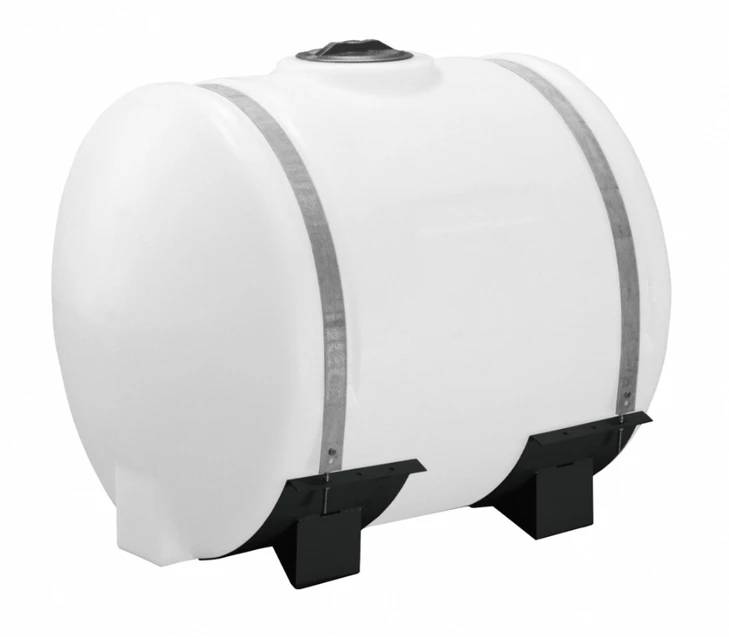
A twenty by nineteen inch painted steel cradle
Part number 60321 is the Norwesco saddle sold against a 30 gallon tank. The material cell reads Painted Steel and the colour cell reads Black. The sheet gives the cradle as 20 by 19 by 6 inches, weighing 16 lb, with the shipment printed at those same 20 by 19 by 6 inches. Norwesco files it under Flat Bottom Cradles. The record is hardware: no capacity cell, no specific gravity, no water weight, no temperature ceiling, no warranty and no related part numbers appear on it, and this page does not fill any of those gaps with figures taken from a tank.
Two ways to buy. Add it to your cart above with freight quoted to your ZIP, or request a written quote for a job that needs paperwork.
Flat bottom cradles, and nothing else on the row
The family column on this record is empty. Norwesco prints no companion part numbers against 60321, which means the comparison this page can honestly make is not between two saddles but between a saddle and the alternative of setting a tank down on whatever surface is already there. The classification Norwesco does print is Flat Bottom Cradles, and that phrase carries a real distinction. A cradle for a flat-bottomed tank is a frame that gives a flat base something level and continuous to sit on; it is a different object from a cradle shaped to carry a round tank on its side, and the two are not interchangeable. So the family question here resolves to a shape question, and the shape is settled by the classification line and by the 20 by 19 inch plan footprint. If your tank does not have a flat bottom, this row in the catalogue is not the one you are reading.
Hardware and the tank it cradles
- Painted steel frame, colour cell Black, 16 lb on the weight cell.
- Plan footprint 20 by 19 inches; overall height 6 inches.
- Shipment printed at the part's own dimensions, 20 by 19 by 6 inches.
- Classification Flat Bottom Cradles; NMFC cell 95190-03.
- Not on the sheet: no fastener list, no mounting hole pattern, no figure for what the frame carries, no coating specification beyond the word painted, and no tank part number it is tied to.
The opening that a cradle serves is the bottom of the tank, and that is worth saying because it is the half of the arrangement people forget when they set a small tank on a flat surface. A tank with a bottom draw needs its outlet to have somewhere to go, and a frame that lifts the base clear is what makes the drain line possible and the valve reachable. This record does not name an outlet, a clearance or a cut-out, so whether the shape suits the plumbing on your tank is something to confirm against the tank and not something to assume from the 6 inch height. The install specific worth writing down: run the drain line and the valve in your head before the tank goes into the cradle, because a valve that ends up pointing into a frame member is a job you do twice.
Thirty gallons is the tank's number, not the saddle's
The 30 gallon figure in this name describes the vessel this cradle is sold against. It is not a volume the cradle holds, not a weight it is stated to carry and not a capacity of any kind belonging to this part number, and no figure from a thirty gallon tank has been carried onto this page. The saddle's own numbers are the four on its sheet: 20 inches, 19 inches, 6 inches and 16 lb. Those are what you check against the space, and the footprint is the one that decides. Twenty by nineteen inches is a small enough plan to live on a bench, in the bed of a truck, on a skid or in the corner of a shed, which is exactly the class of installation a thirty gallon tank belongs to. The choice you are really making is whether the tank sits in a purpose-made steel cradle or on something improvised, and the cradle wins on two counts that have nothing to do with any rating: the base is supported evenly across a known footprint, and the arrangement is repeatable when the tank comes out for cleaning and goes back in.
Under a tank on a truck bed or a bench
Small tanks lead hard lives. They get moved, they get emptied and refilled, and they spend time in places where the floor is neither flat nor clean. A steel cradle is bought when somebody has decided the tank is staying put and wants the base carried evenly instead of resting on two high spots, and it is bought again when a first attempt at improvising a mount has gone the way improvised mounts go. Where it sits determines how long the paint lasts, which is the one genuine wear point on this part: painted steel outdoors and painted steel in a wash bay are two different lifespans. Keep the frame off ground that stays wet, touch up bare metal when you see it rather than at the annual shutdown, and check the underside when the tank comes out for cleaning, because that is the only time you can see it. Where you are still working out how much storage the job actually needs, the tank sizing calculator and the tank sizing guide answer that before the mounting question arises, and our guide to concrete pad sizing for above-ground polyethylene tanks covers what goes under the whole arrangement when the surface itself is the question.
Sixteen pounds and a UPS class on an LTL line
Six plants are printed against this record: Hanford in California, Griffin in Georgia, Sheldon in Iowa, St. Bonifacius in Minnesota, Owego in New York and Washington Court House in Ohio, with a ship-from list of ten states. The cradle weighs 16 lb, the ship weight cell reads the same 16 lb, and the shipping size is printed at 20 by 19 by 6 inches. The freight class cell carries the carrier name UPS while the ship mode cell reads LTL, and the NMFC cell reads 95190-03; all three are printed exactly as the sheet has them and none of them is interpreted here. The listed price is before freight, so run the lane with your ZIP through the freight cost estimator before the number goes into a quote. On receipt, lay a straightedge along the 20 inch length of the cradle and then across the 19 inch width; a frame that has been racked on the truck shows as daylight under the straightedge, and a frame that is out of flat will hold the tank out of flat for as long as it is in service. Do that on the floor, in daylight, with the packaging still to hand. The first fill is the only cheap time to find a problem, so do it in daylight with someone watching the base.
Ships from: Ships with your tank, from the same Norwesco plant.
Freight and documents
LTL freight is quoted to your ZIP with the freight cost estimator or by phone at 866-418-1777. The listed price is before freight.
Technical drawing (PDF) for Norwesco 60321.
See this tank
Product video. Watch the Norwesco Saddle 30 Gallon video (60 seconds) with dimensions, fittings and shipping notes.
Ready to order?
Add it to your cart at the top of this page, get LTL freight to your ZIP, request a written quote, or call 866-418-1777. The listed price is before freight.