Four hundred gallons through a one and a quarter inch outlet
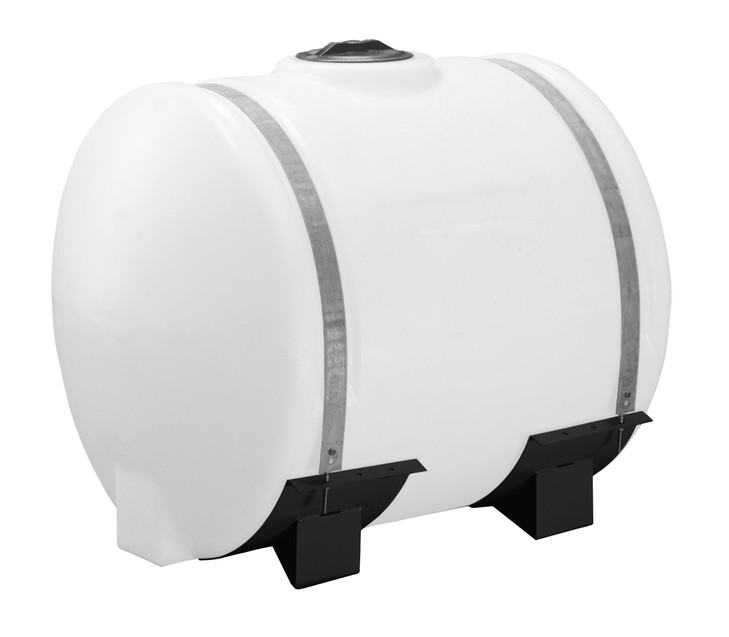
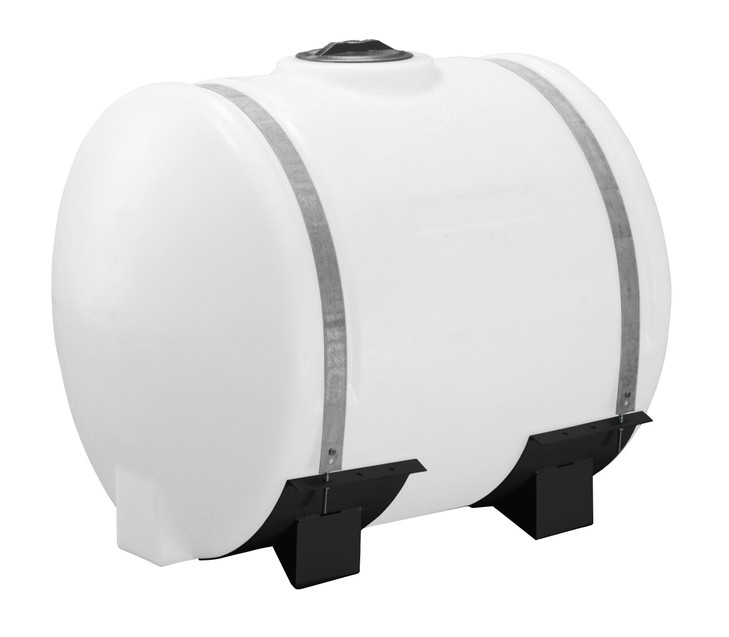
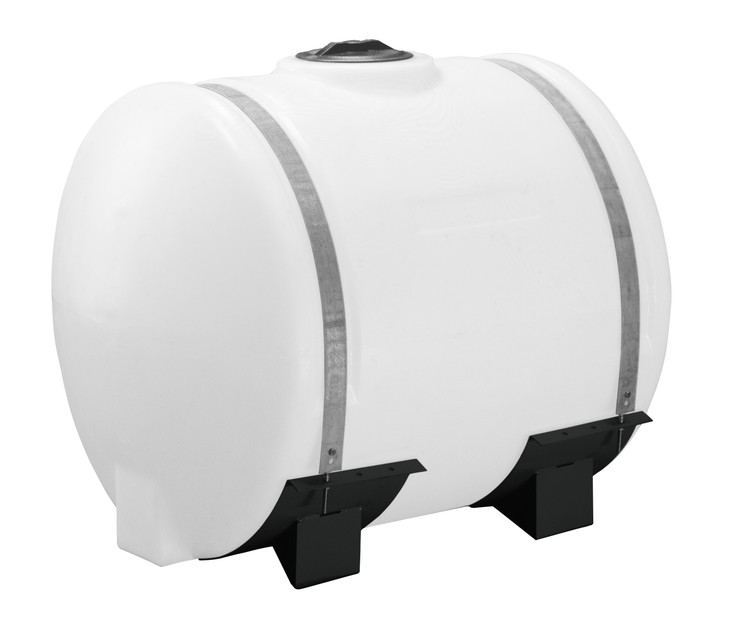
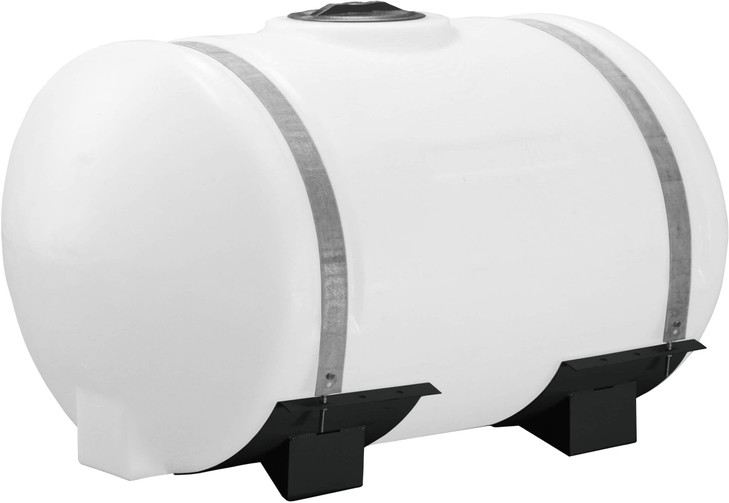
The Norwesco N-40137 holds 400 gallons in a white polyethylene shell the sheet gives as 74 inches long, 42 inches wide and 45 inches tall, and it is the only record in this group with a product application field, which reads Applicator Tanks. Empty weight is 101 lb and the ship weight is the same 101 lb. The specific gravity rating field reads 1.5, quoted as a maximum of 12.52 lb per gallon, with a maximum contents figure of 5004 lb; 400 gallons of water at 8.34 pounds per gallon weighs 3336 lb. The outlet field reads 1-1/4 inch PP female NPT bulkhead fitting, the smallest on any record in this batch. Access is an 8 inch threaded vented lid and the lid size field is the same 8 inches. There is a dash where an inlet would be. The service limit is 120 F / 48 C and the warranty field reads 3 Year Warranty. The freight class field and the ship mode field both read LTL and the NMFC field is 156600-02. Three plants are named.
Spec sheet in hand? Call 866-418-1777 and read us the liquid and the pad; or get freight to your ZIP and add it to your cart above.
Minnesota, Ohio, Utah, and the frame this shell needs under it
Three plants carry this record and they are spread thin: St. Bonifacius, Minnesota; Lancaster, Ohio; and Tooele, Utah. The ships-from field on this sheet is a plain string rather than a list, and it reads Minnesota, Ohio, Utah, so the origins and the plants agree. What that spread means is an easy lane through the upper midwest, the Ohio valley and the mountain west, and a noticeably longer one into the southeast, the southwest and either coast, so get the number from the estimator before you assume anything about the total cost. The class field and the ship mode field both read LTL and the NMFC field is 156600-02, which is the standard pallet network and a liftgate question at the far end. With the lane understood, the second question is what the shell lies on. The body is 74 inches long, 42 inches wide and 45 inches tall, so it is long, narrow and taller than the low profile shells elsewhere in this batch, and that combination puts a premium on getting the support right. Applicator and saddle are words from the record's own name and the sheet supports nothing beyond them: there is no structural field, so no saddle dimension, no cradle, no band, no hoop, no strap, no tie-down, no frame and no equipment fit is described here, and nothing of the kind should be inferred from the name. Whatever this tank is carried and restrained by is engineering you specify to your own loads. The loads are on the sheet: 101 lb empty, 3336 lb of water, and a maximum contents figure of 5004 lb against a rating field of 1.5 quoted as a maximum of 12.52 lb per gallon. Design to 5004 lb. Support the moulded bottom continuously across its whole 74 by 42 inch area rather than at the ends or along two rails, level it along the length as carefully as across the width, and check it again after it has stood full for a day. A narrow body that is 45 inches tall is less forgiving of a surface that settles than a wide flat one is, because the same movement shows up as a lean. Size the volume against the actual work first with the tank sizing calculator, and take the freeboard and reserve practice from the tank sizing guide.
A saddle tank between a chemical injection shell and a truck tank
| Part | Gallons | Dimensions | Weight |
|---|---|---|---|
| N-40137 (this tank, white, application field Applicator Tanks) | 400 | 74 x 42 x 45 in | 101 lb |
| N-63890 (named a chemical injection tank) | 335 | 56 x 44 x 49 in | 338 lb |
| N-40103 (named a pick up truck water storage tank without fitting) | 425 | 65 x 65 x 39 in | 97 lb |
Three records within ninety gallons of each other and nothing else in common: that is the useful thing about this table. Start with the weight column, because it is startling. The N-63890 holds 335 gallons and weighs 338 lb empty, more than three times this shell, in a shorter, narrower and taller 56 by 44 by 49 inch body that the sheet names a chemical injection tank. The record does not say why it is built that heavy and this page will not guess, but a weight difference of that size is never cosmetic and it is the first thing to ask us about if that row is what you are actually considering. At the other end the N-40103 is 425 gallons in a 65 by 65 by 39 inch square at 97 lb, the widest and lightest of the three, with the words without fitting in its name, which is a point to confirm rather than assume. This tank sits between them at 400 gallons and 101 lb in the longest and narrowest body of the three, 74 inches by 42, standing 45 inches tall. Reading across, the choice is a shape choice rather than a volume choice: a long narrow shell where the length is available and the width is not, a wide square shell where the opposite is true, or a heavy purpose-built body where what goes inside is the deciding factor. Measure first, then decide, and call us with the liquid if the third column is what matters to you. For the wider context on this end of the Norwesco range, the applicator and leg tank scope article is the background piece, and the small portable bodies below this family are covered in the loaf-style portable utility tank guide.
Two rows look the same? The difference is the wall; call 866-418-1777 with the liquid and we will say which, or ask for a quote on both.
The eight inch vented lid, and the smallest outlet in this group
- The top comes first because it is where the tank is filled and cleaned: an 8 inch threaded vented lid, with the lid size field reading the same 8 inches. Eight inches on a shell 45 inches deep is a reach-in opening, so plan cleaning around a long-handled brush and a proper rinse rather than around getting inside.
- The vent is in that lid and it is the only air path the shell has. Draw 400 gallons down against a sealed top and the roof follows the liquid in and stays there. Check it every time the lid comes off and give the air another route before you ever restrict this one.
- Make the threaded lid up on a clean seat. Grit on the thread is the usual cause of the weep that nobody can find, and a rag before the lid goes back on prevents it.
- There is a dash where an inlet would be, so the 8 inch lid is also the fill point. Bring the fill line to a fixed coupling and run it down inside the shell instead of balancing a hose on the rim.
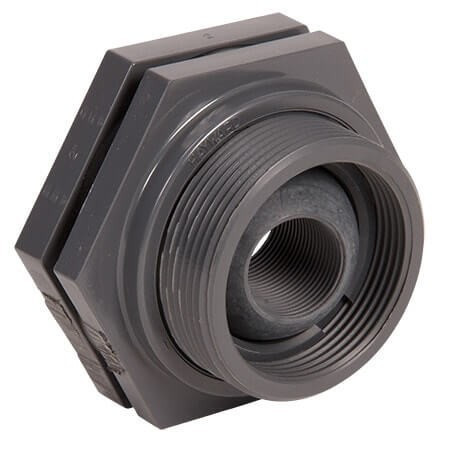
- The outlet field reads 1-1/4 inch PP female NPT bulkhead fitting, and this is the number that separates this record from everything else in its batch, where the rest carry 2 inches. A smaller port is a lower flow through the same pressure drop, so size the pump and the suction line to the port you actually have rather than to the one you are used to.
- That smaller port is also a stronger argument for keeping the suction run short and straight. Every elbow and every foot of hose costs you more on a narrow port than on a wide one.
- Make the thread up once and put a union immediately downstream. All future changes of valve, strainer or hose tail then happen at the union, with no tool load reaching the moulded boss.
- Support the first valve independently and keep the first joint flexible; a 74 inch body works through every cycle. Keep a spare bulkhead gasket where the tank lives, because it is the cheap part that stops a day.
The published limits stop at two: the service limit is 120 F / 48 C and the warranty field reads 3 Year Warranty. Ask us and we will get Norwesco's current terms in writing rather than reading a guarantee into three words. On density the record gives a rating field of 1.5, quoted as a maximum of 12.52 lb per gallon, with a maximum contents figure of 5004 lb against 3336 lb of water.
Why the outlet size decides this one
Most tanks in this size band are chosen on volume and footprint. This one should be chosen on the outlet, because at 1-1/4 inch it is the narrowest connection in the batch and that single field shapes the work it suits. A narrower port points at metered, controlled, lower-rate withdrawal rather than at dumping a tank into a truck in four minutes, and the product application field on this record, which reads Applicator Tanks, sits comfortably with that reading. Typical duty is supply to a metering or dosing arrangement, a feed body for equipment that draws steadily rather than in surges, holding between a bulk drop and the point of use, and any service where the contents are worked down over an hour rather than emptied in one pull. If what you need is fast bulk transfer, look at the 2 inch records elsewhere in this family instead and save yourself an argument with the pump curve. The honest limitation is exactly that: 400 gallons through 1-1/4 inch is a slow empty by design, and no pump will fix a port. Everything that carries and restrains this shell is site or equipment work the sheet does not describe, so treat that as a separate engineering job with its own drawing. Check the contents against polyethylene in our chemical compatibility reference before you order, and talk to us about the fitting arrangement before you commit to a pump.
Which liquids, at what concentration, with which fitting
Each entry pairs a rated liquid with its concentration limit and the fitting and gasket to order alongside the tank. The full rating sits on the linked page and in the chemical compatibility database before ordering.
- Acetic Acid (60%)
- Aluminum Sulfate (50%)
- Calcium Chloride (40%)
- DEF (32.5%)
- Ferrous Sulfate (20%)
- Magnesium Chloride (30%)
- Sodium Carbonate (30%)
- Urea Solution (50%), and Ozonated Water (up to 10 PPM).Most call for PVC or PP fittings with EPDM gaskets; DEF wants 316SS fittings with EPDM.Some liquid
- Sulfuric Acid (98%)
- Hydrochloric Acid (37%)
- Phosphoric Acid (85%)
- Sodium Hypochlorite (under 16.5%)
- Potassium Hydroxide (saturated)
- Ferric Chloride (50%), and
- Ethylene Glycol all require a 1.5 SG tank.Note that these aggressive acids and oxidizers do not run on EPDM - Sulfuric, Hydrochloric, Phosphoric, Sodium Hy
Three plants, one hundred and one pounds, seventy-four inches long
St. Bonifacius, Minnesota; Lancaster, Ohio; and Tooele, Utah are the three plants on this record, and the ships-from field names the same three states. Three origins is a narrower spread than most sheets in this family carry, and on a 74 inch item that is worth knowing before you assume a short lane. The freight class field and the ship mode field both read LTL, the NMFC field is 156600-02, and the shipping weight is 101 lb against the same 101 lb empty. That makes this bulky light freight, priced on the trailer space and the distance rather than the scale, and the quote is the only place the real number lives. The freight cost estimator prices the lane to your ZIP, and the listed price is before freight. At the receiving end, plan for a long item rather than a heavy one: room for the truck to pull clear, a machine or two people, a flat landing area chosen in advance, slings under the body rather than a chain through the lid, and nothing bearing on the bulkhead. Inspect before the paperwork is signed. Run a hand the full 74 inches of the base seam, check both narrow ends where a long shell takes a knock, look at the 1-1/4 inch bulkhead from below, and confirm the lid threads and seat are clean. Commission it with clean water in its final position and leave it standing full overnight before anything is connected. Time the first full drain with a stopwatch and write the figure down; on a narrow outlet, that number is the one that tells you whether the pump you chose was the right one. Mark the vent and the outlet on the outside of the shell so nobody caps the wrong one in the dark.
Freight and documents
Ships from: St. Bonifacius, MN; Lancaster, OH; Tooele, UT. LTL freight is quoted to your ZIP with the freight cost estimator or by phone at 866-418-1777. The listed price is before freight.
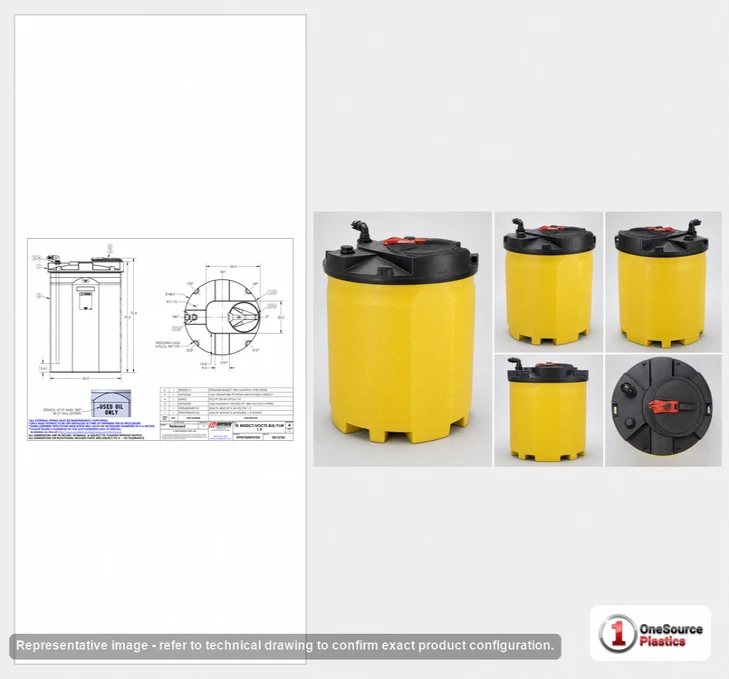
Technical drawing (PDF) for Norwesco 40137.
See this tank
Product video. Watch the Norwesco 400 Gallon Plastic Applicator Saddle Tank video (73 seconds) with dimensions, fittings and shipping notes.
Ready to order?
Add it to your cart at the top of this page, get LTL freight to your ZIP, request a written quote, or call 866-418-1777. The listed price is before freight.