2000 Gallon Plastic Water Storage Tank - Black (93" x 80"): Complete Buyer's Guide
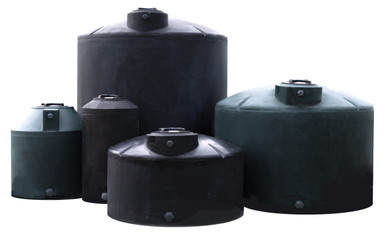
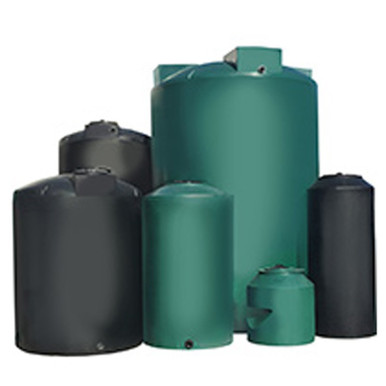
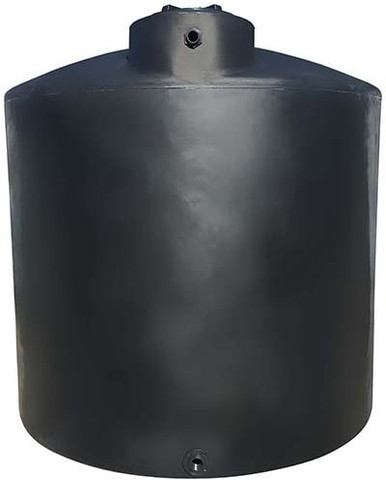
2,000-gallon black water storage tank built for safe potable water storage. Manufactured by Norwesco from virgin linear polyethylene (HDPE) rated to handle liquids up to 9.2 pounds per gallon. FDA approved for contact with potable water, ensuring safe storage for drinking water and food-grade liquids.
Specifications at a Glance
Every figure below is pulled straight from the live product record for this exact tank — the same data on the product page, so what you read here and what you buy never disagree.
Standards & Materials
- ASTM D1998 — Standard Specification for Polyethylene Upright Storage Tanks. Governs wall-thickness and hydrostatic design for vertical rotomolded poly tanks of this class.
- FDA 21 CFR 177.1520 — Olefin polymers. The food-contact regulation the FDA-grade resin in this tank is compounded to meet.
- Specific gravity rating 1.1 — the tank is engineered for liquids up to 1.1× the density of water (water is about 8.34 lb/gal). Confirm your fluid’s SG before storage.
Product Overview
The 2000 Gallon Plastic Water Storage Tank in black is built for the operation that has outgrown drums and totes and needs a single, dependable reserve — a working ranch, a fire-protection cistern, a commercial site that cannot afford to run dry. Two thousand gallons is enough water to matter, and the squat 80-inch-tall by 93-inch-wide form factor keeps that volume low and stable instead of tall and tippy.
It is molded in one shot from virgin linear polyethylene, so there are no seams or weld lines anywhere in the wall to become tomorrow's leak. The 1.1 specific gravity rating means the shell is engineered for liquids up to 9.2 pounds per gallon, which blankets water and the everyday liquids most sites store. Black pigment does double duty here: it blocks the light that feeds algae and it shields the resin from UV.
Set on the ground, this tank covers about 47 square feet and weighs 330 pounds empty. Fill it and you are putting roughly 18,678 pounds onto the pad with rated-density water, which is why the foundation deserves real planning rather than a quick guess. A factory 2-inch NPT outlet and a 16-inch lid handle discharge and access; everything ships inspected from Norwesco and inspected again from us.
Key Features and Specifications
- 2,000-gallon capacity — sized for safe potable water storage
- Constructed from virgin linear polyethylene (HDPE) with 1.1 specific gravity rating — handles liquids up to 9.2 lbs/gal
- 80" tall x 93" diameter — compact vertical footprint
- 330 lbs empty, approximately 18,678 lbs when full at rated specific gravity
- 2" NPT outlet fitting — factory installed and leak-tested
- 1-1/2" PP Female NPT Bulkhead Fitting NPT inlet fitting included
- 16" lid opening for fill, venting, and interior access
- FDA approved for potable water and food-grade liquid contact
- 3 Year Warranty from Norwesco against manufacturing defects
- UV-resistant black pigmentation provides maximum outdoor durability and inhibits algae growth in stored liquids
- Rated for continuous service up to 120 F / 48 C
- Seamless one-piece rotational molding — no seams, no welds, no leak points
- Manufactured by Norwesco — a leading name in rotomolded polyethylene tanks
- Install on a level, compacted surface. Ensure adequate clearance above for lid access and around the perimeter for plumbing connections and visual inspection
- Ships via LTL freight — allow 2-3 weeks for delivery. Lift gate and residential delivery available at additional cost
Installation and Setup Guide
What makes this 2000-gallon tank forgiving to install is its proportion: at 80 inches tall and 93 across, it is wider than it is high, so the center of gravity sits low and the 18,678-pound full load fans out over a 47-square-foot circle instead of concentrating under a narrow base. The trade is that a 93-inch flat bottom mirrors every dip in the surface beneath it, which means the foundation work is where the install is won or lost.
Site Preparation
Pour or build a bearing pad at least a foot larger than the 93-inch diameter all the way around — figure a nine-and-a-half to ten-foot circle — in either a four-inch reinforced slab or a compacted, screeded crushed-stone bed. Hold it flat to a quarter inch across the full width; past that, the shell loads unevenly and the lowest courses, which already carry the most head, fatigue first. Steer clear of pea gravel and untouched soil, both of which shift under cyclic load.
Placement and Connections
Take the discharge off the factory 2-inch outlet at the bottom of the column and keep the run short and low. Couple it with a flexible fitting for the first stretch rather than hard pipe; the wall of a black tank cycles thermally in sun and a rigid line carries that movement straight into the bulkhead. Match your fill rate to what the 16-inch lid can vent, and hand-tighten the threads — a quarter turn past snug, no wrench.
Venting
Pulling 2000 gallons of water out demands 2000 gallons of air back in, and a black shell already running warm makes the pressure swing more pronounced. Keep the 16-inch lid's vent open and screened so the tank breathes freely; a capped or insect-clogged vent answers the first hard draw-down by denting the top or collapsing a sidewall, not by failing gradually.
Maintenance and Long-Term Care
Because this is potable-grade polyethylene, maintenance is mostly about water quality, and the black wall already does part of that job by shutting out the daylight algae need to bloom. Even so, 2000 gallons of standing water is not set-and-forget; a short seasonal rhythm keeps it as clean as the resin.
Quarterly Inspection Checklist
- Sidewall read: Look for any low bulge in the 93-inch shell — that is the signature of a settled pad or water exceeding the 1.1 rated density, and it shows before a real failure does.
- Outlet inspection: Feel around the 2-inch bulkhead for dampness and hand-tighten if it has crept; poly relaxes around threads and a wrench only cracks it.
- Pad check: Walk the perimeter for erosion or settling, especially after storms, since one undercut edge tilts the whole 18,678-pound load.
- Vent and lid: Confirm the 16-inch lid's screened vent is clear and the gasket seats, because that opening — not the sealed fittings — is where contaminants enter.
Cleaning
Once a year, drain the tank fully through the 2-inch outlet, rinse the interior, and run a 50-ppm chlorine solution with about an hour of contact time before refilling for drinking use. The flat 93-inch floor collects sediment that the annual full drain sweeps out, and the open lid is your moment to wipe the gasket and confirm nothing has been getting past it.
UV and Weather Protection
Black pigment gives this tank the strongest UV defense in the lineup, but no stabilizer is permanent. In relentless sun, glance over the south face yearly for surface chalking; the tank will outlast most of its neighbors regardless, and a light shade structure in desert conditions stretches that lead even further.
Alternatives and Comparisons
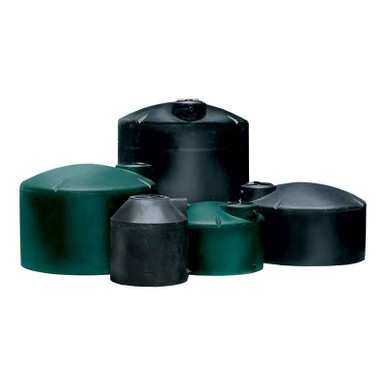
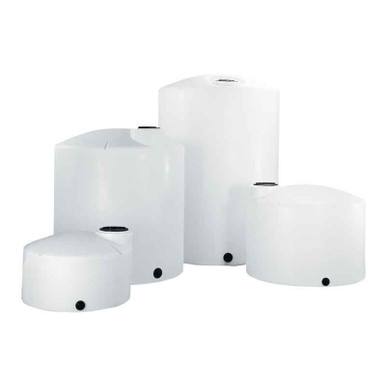
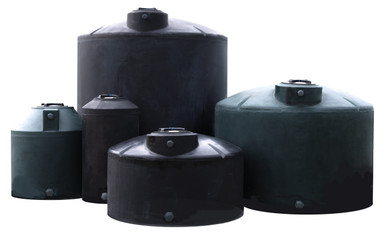
Two thousand gallons in black is the sweet spot for serious water reserves, but it is not the only point on the curve. A smaller tank lightens the pad and the freight; a taller, slimmer 2000-gallon variant trades footprint for a different fit; and the larger black tanks below carry sites that need a bigger cushion against running dry.
Other 2000-Gallon Options

Frequently Asked Questions
How long will the 2000 Gallon Plastic Water Storage Tank - Black (93" x 80") last?
On a true pad, within its 1.1 specific gravity and 120°F limits, and with the light annual cleaning, this black 2000-gallon tank reliably reaches the fifteen-to-twenty-year range. The one-piece mold has no seams to part and the black UV package is the most durable offered; early failures trace back to bad foundations or stagnant water, not the polyethylene.
What chemicals can I store in this tank?
Built and FDA-approved for potable water and food-grade liquids, it also handles many lighter farm and industrial solutions inside its 9.2-pound-per-gallon rating. Keep fuels, solvents, and flammables out, and confirm any chemical against a poly compatibility chart first — the resin resists most acids and bases but a handful of oxidizers do not play nice.
What kind of foundation does a 2000-gallon tank need?
A 2000-gallon tank that loads the ground with roughly 18,678 pounds needs an engineered bearing surface, not improvised support — a four-inch reinforced concrete slab sized past the 93-inch base, or a deep compacted crushed-stone ring screeded flat to a quarter inch. For a load this size, a structural professional sizing the slab is money well spent.
Does this tank come with a warranty?
Yes, Norwesco backs it with a 3-year warranty against manufacturing defects under normal use. The coverage is for factory faults — pinholes, cracks, fitting defects — not for overloading past 1.1 SG, a poor install, chemical attack, or impact. Hold onto your receipt and install photos.
Can I install this tank underground?
No — it is engineered for above-ground service only. The flat vertical wall cannot resist the inward push of backfill, and burying it risks collapse and voids the warranty. Choose a ribbed, reinforced underground cistern if you need below-grade storage.
Buying Considerations
Before ordering, square three things away: confirm a 47-square-foot pad plus working clearance exists where you want it, make sure the surface can be leveled to a quarter inch since 18,678 pounds is unforgiving of slope, and book LTL freight with offload help — a 330-pound empty tank this wide needs room and a plan to set down.
Related Products You May Need
Questions? Call (866) 418-1777 — our team knows these products inside and out and can help you select the right tank for your application.
Recommended Tanks for This Guide
Live pricing, updated automatically · estimate freight to your ZIP.